

In an era where computing performance is pushed to new limits every day, the demand for cutting-edge memory technology has never been more critical, especially as modern applications consume system resources at an unprecedented rate. Memory, often the unsung hero of a powerful system, is evolving rapidly to keep pace with workloads driven by artificial intelligence, high-end content creation, and data-heavy tasks. This analysis dives into a transformative trend: the emergence of high-capacity DDR5 memory, spearheaded by the groundbreaking 4-Rank DDR5 CUDIMM developed through a collaboration between ADATA and MSI. The focus here is on how this innovation redefines desktop memory capacity, its real-world implications, expert insights into its development, and the potential it holds for shaping computing trends moving forward.
The Surge of High-Capacity DDR5 Memory
Pioneering 4-Rank DDR5 CUDIMM Technology
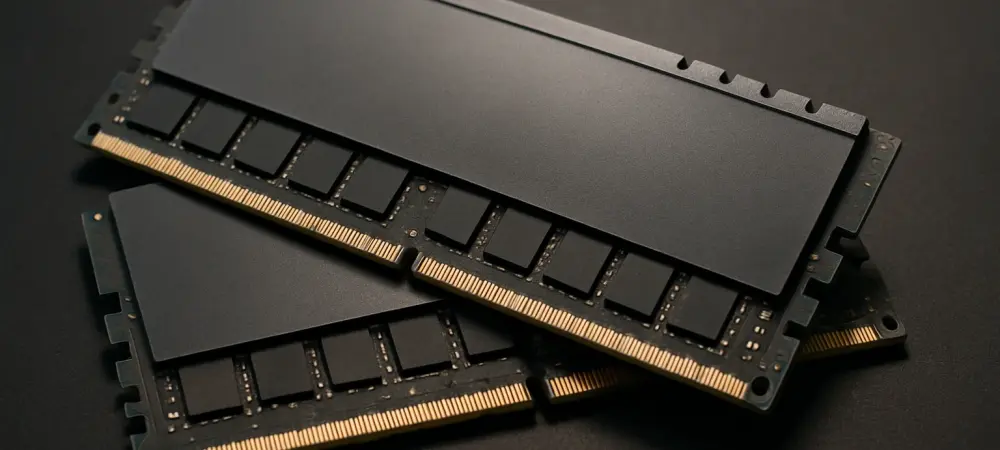
A monumental step in memory technology has been taken with ADATA’s launch of the world’s first 4-Rank DDR5 CUDIMM, in partnership with MSI, elevating per-module capacity from a standard 64 GB to a staggering 128 GB. This design incorporates four groups of memory chips on a single module, a significant leap from traditional single or dual-rank configurations, allowing for unprecedented density in desktop systems. Such an advancement means that dual-DIMM motherboards can now support up to 256 GB of RAM, a capacity previously seen almost exclusively in server environments.
This development aligns with a growing market need for robust memory solutions in mainstream platforms, as emphasized by ADATA’s vision of enabling next-generation creativity and efficiency. The trend of increasing RAM demand in desktops is evident, with professionals and enthusiasts alike seeking systems capable of handling complex, resource-intensive tasks without compromise. The 4-Rank design represents a bold move toward bridging the gap between consumer and enterprise-grade hardware.
Practical Uses and Tangible Benefits
High-capacity DDR5 memory addresses critical needs in modern computing, particularly for applications such as AI operations, offline AI inference, and model fine-tuning, which require substantial system resources to operate smoothly. Beyond AI, fields like large-scale video and image editing benefit immensely, as editors can process massive files without constant lag or system bottlenecks. Localized data analysis, another memory-hungry task, also sees improved efficiency with these modules, reducing the need for external storage dependencies. For professionals in content creation and AI development, the availability of 128 GB per module translates to seamless workflows and enhanced productivity, especially in offline environments where cloud resources are unavailable. This capacity empowers users to tackle larger projects on-device, minimizing delays and ensuring that system performance keeps up with creative or analytical demands. The impact is clear: tasks that once required server setups can now be managed on compact desktop systems.
Synergy and Integration: ADATA and MSI’s Joint Effort
Bridging Server-Grade Memory to Desktops
The collaboration between ADATA and MSI underscores a shared commitment to bringing server-grade memory capabilities into the realm of mainstream desktops, a trend gaining traction as user needs evolve. Both companies have prioritized compatibility, ensuring that high-capacity DDR5 modules integrate seamlessly with consumer hardware. Their joint efforts focus on addressing the challenge of fitting substantial memory into smaller form-factor PCs without sacrificing stability or performance. Testing of the 4-Rank DDR5 modules at speeds of 5600 MT/s on MSI’s latest Z890 motherboards has yielded promising results, demonstrating reliability even in dual-DIMM configurations. This achievement highlights the potential for powerful systems to operate efficiently within compact setups, a significant advantage for users who prioritize space alongside performance. Expert opinions from within the partnership stress that such advancements are crucial for meeting the escalating demands of modern computing environments.
Overcoming Design Challenges
While the benefits of high-capacity memory are substantial, integrating 4-Rank DDR5 into desktop systems does present hurdles, such as increased load on the memory bus, which could impact overall speed. However, industry perspectives suggest that for memory-intensive workloads, the advantage of expanded capacity often outweighs minor reductions in frequency. This balance is a key consideration in the design process, ensuring that users gain more than they lose in practical scenarios.
The successful collaboration between ADATA and MSI serves as a model for how targeted partnerships can address technical challenges, paving the way for broader adoption of advanced memory solutions. Their focus on stability and compatibility sets a benchmark for other manufacturers looking to push the boundaries of desktop hardware capabilities.
Prospects for DDR5 Memory Advancements
Expanding Adoption and Platform Development
Looking ahead, the trajectory for 4-Rank DDR5 CUDIMM appears promising, with MSI’s ongoing development of Z890 platforms signaling a strong foundation for wider integration starting from this year through to 2027. As other manufacturers take note of this trend, the likelihood of increased availability and support for high-capacity DDR5 in mainstream systems grows. This shift could redefine the standard for desktop memory, making server-like capacities a norm rather than an exception.
The anticipated benefits include the creation of more powerful yet compact systems, catering to diverse industries from gaming to professional content production. However, challenges such as managing memory bus load remain a point of discussion, with potential impacts on performance needing careful optimization. Balancing capacity with speed will be critical as this technology scales across different hardware ecosystems.
Redefining Computing Landscapes
The broader implication of merging server and desktop memory capabilities lies in its potential to transform how professionals and enthusiasts approach computing over the coming years. High-capacity DDR5 could enable a new wave of innovation, supporting applications and workflows that were previously constrained by hardware limitations. This trend points toward a future where the line between consumer and enterprise systems continues to blur, offering unprecedented flexibility.
As this technology matures, its influence may extend beyond technical specifications, shaping user expectations and driving demand for systems that deliver both power and efficiency. Keeping an eye on how these advancements unfold will be essential for understanding their long-term impact on the computing industry.
Final Reflections on Desktop Memory Evolution
Reflecting on this pivotal moment in memory technology, the introduction of 128 GB per-module DDR5 by ADATA and MSI marks a significant milestone in addressing the needs of memory-intensive applications. Their partnership ensured compatibility and stability, as demonstrated through rigorous testing on advanced platforms. The collaboration tackled critical challenges, setting a precedent for future innovations in the field. Moving forward, stakeholders in the tech space should consider investing in platforms that support these high-capacity modules to stay ahead of evolving demands. Exploring partnerships similar to that of ADATA and MSI could accelerate the integration of cutting-edge memory solutions across diverse systems. Keeping abreast of upcoming developments in DDR5 technology will be vital for harnessing its full potential in transforming desktop performance.