

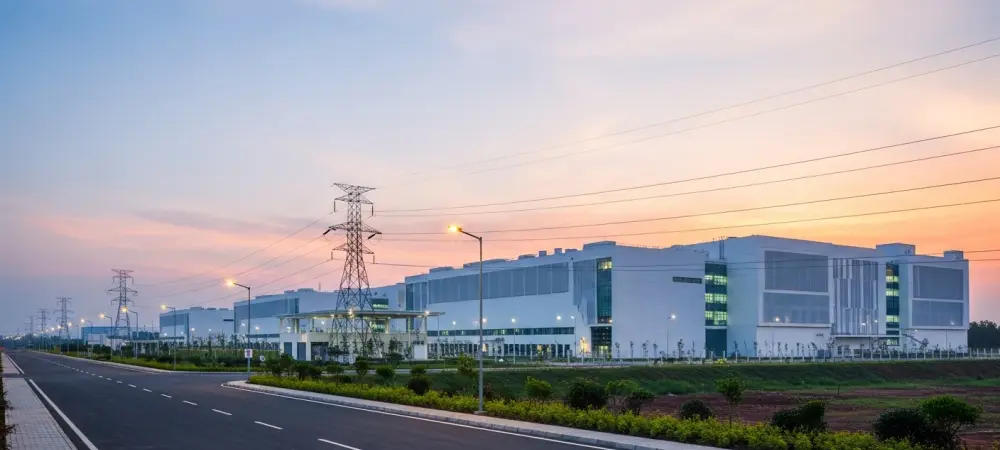
The epicenter of the digital universe is rapidly migrating from the historic data corridors of Northern Virginia and Dublin toward the vibrant, high-growth markets of the Asia-Pacific region. This tectonic shift is being led by Google’s monumental $15 billion capital injection into India, a move that signalizes the end of Western dominance in global data processing. As the world demands more immediate access to generative AI and real-time analytics, the reliance on centralized, distant servers has become a liability. Consequently, the push toward localized infrastructure is no longer a luxury for tech giants but a survival imperative driven by the sheer volume of data generated in eastern economies.
This strategic pivot involves more than just pouring concrete; it represents a fundamental realignment of how global networks are constructed. By prioritizing regional hubs, Google is addressing the dual pressures of intense technological requirements and increasingly protective regulatory environments. The transition from general-purpose cloud storage to high-density, AI-ready environments is reshaping the physical landscape of countries like India, Indonesia, and Vietnam. This analysis explores the metrics of this growth, the blueprint of a new hyperscale reality in Andhra Pradesh, and the long-term implications for a world where AI is executed at the edge.
The Surge of Cloud and AI Infrastructure in Asia
Growth Metrics and Regional Market Dynamics
The current expansion is fueled by an unprecedented rise in internet penetration across Southeast Asia and the Indian subcontinent. In these developing markets, the transition to mobile-first digital economies has created a massive backlog of demand for localized cloud services. As hundreds of millions of new users come online, the infrastructure must scale to meet expectations for seamless connectivity. This regional appetite is reflected in the shifting demand for high-density facilities that can handle the low-latency processing required by modern consumer applications, from digital payments to interactive entertainment.
Furthermore, the scale of this physical expansion is mirrored in global energy projections. According to recent data from the International Energy Agency, the electricity consumption of data centers globally is on a trajectory to double by 2030. Asia is positioned as the primary engine of this growth, as it becomes the preferred destination for hyperscale deployments. The concentration of computing power in these regions is transforming them into the world’s digital engine rooms, moving beyond their previous roles as back-office service hubs into primary centers of innovation and execution.
The Andhra Pradesh Hub: A Blueprint for Hyperscale Success
A definitive example of this massive scale is the 1-gigawatt (GW) data center project currently rising near Visakhapatnam. This sprawling complex spans 600 acres and is distributed across three strategic campuses: Adavivaram, Tarluvada, and Rambilli. By establishing such a significant footprint, Google is creating a localized ecosystem that can support the most demanding enterprise workloads. This facility stands as a benchmark for the industry, demonstrating how rapidly a cloud provider can move from a signed agreement to active construction when local government support aligns with market urgency.
The success of the Andhra Pradesh hub is also deeply tied to its integration into the global fabric of connectivity. Through partnerships with entities like AdaniConnex and Bharti Airtel, the facility is being linked to extensive subsea cable networks that connect India directly to Singapore, Malaysia, and Australia. This connectivity ensures that while the data is processed locally to meet national requirements, it remains part of a high-speed global architecture. This integration allows for a fluid exchange of information while maintaining the technical performance necessary for the next generation of digital services.
Industry Perspectives on the Asian Pivot
Executive Vision and Localized AI Inference
Industry leadership has been vocal about the necessity of this geographic redistribution. Google Cloud CEO Thomas Kurian has emphasized that the future of artificial intelligence depends on the ability to perform inference—the actual running of AI models—as close to the end user as possible. While the initial training of these massive models can happen in any well-equipped facility, the day-to-day execution requires physical proximity to avoid the delays of long-distance data travel. This vision is driving the transition of Asia from a consumer of Western technology to a primary host of the AI infrastructure itself.
Regulatory and Legal Insights: The Power of Sovereignty
Navigating the Asian market also requires a sophisticated understanding of localized legal frameworks. Governments in India, Indonesia, and Vietnam have implemented stringent data sovereignty laws that necessitate keeping sensitive citizen information within national borders. These policies have effectively mandated a “build-local” strategy for global tech firms. Instead of viewing these regulations as hurdles, savvy providers are treating them as a roadmap for investment. By aligning their physical infrastructure with these domestic laws, they secure their market position and build trust with local stakeholders who are increasingly protective of their digital independence.
Technical Evolution: From Storage to Specialized AI Centers
The very nature of what constitutes a data center is also undergoing a radical evolution. Technical experts point out that the industry is moving away from traditional facilities designed for simple storage and general-purpose computing toward “GPU-heavy” centers specifically engineered to house AI accelerators. These facilities require specialized cooling systems and much more robust power grids than the centers built just a few years ago. This evolution is particularly visible in the new Asian hubs, which are being built from the ground up with these advanced AI requirements in mind.
Future Implications of the Distributed Infrastructure Model
Evolution of AI Architecture and Edge Intelligence
The long-term trajectory of cloud computing points toward “inference at the edge,” where centralized clouds increasingly serve as a support system for intelligence that lives physically close to the user. As AI applications become more integrated into daily life—powering everything from autonomous vehicles to real-time language translation—the necessity for near-zero latency will dictate the physical location of hardware. This move toward a distributed architecture ensures that the digital services of the future remain resilient and responsive, even as the complexity of the underlying models continues to grow.
Sustainability and Resource Challenges in Growing Markets
However, the rapid expansion into Asia brings significant environmental and resource management challenges. The massive power and water consumption required by these 1 GW facilities places immense pressure on local grids and ecosystems, necessitating a transition toward innovative cooling technologies and renewable energy. Providers that fail to address these resource constraints may find their expansion limited by community pushback or infrastructure instability. The industry’s future success in the region will be measured not just by its computing capacity, but by its ability to operate within the ecological limits of its host nations.
Economic Disruption and Shifting Competitive Advantages
The shift toward Asia is also fundamentally an economic decision based on land acquisition costs and government incentives. Western markets are becoming increasingly saturated, with high costs and limited space making new hyperscale projects difficult to execute. In contrast, Asian states are actively courting tech giants with favorable terms and streamlined permitting processes, which is likely to result in a more balanced and resilient global digital economy where the East holds as much influence as the West.
In summary, the strategic expansion into Asia marked a definitive departure from the centralized cloud models of the previous decade. The industry successfully navigated the complexities of regional regulations and technical demands by prioritizing localized infrastructure. This transition allowed for the deployment of sophisticated AI services that were both compliant with national laws and responsive to consumer needs. Moving forward, the focus must shift toward optimizing these massive facilities for environmental sustainability and exploring how distributed edge computing can further reduce the carbon footprint of global data processing. The foundation laid in regions like Andhra Pradesh will serve as the essential platform for the next wave of global digital innovation, ensuring that the benefits of high-speed AI are accessible to a global population.