

The unprecedented surge in demand for high-performance computing, particularly driven by the rapid maturation of generative artificial intelligence and the proliferation of cloud-based services, has hit a formidable physical wall that financial investment alone cannot dismantle. While the data center industry has historically prioritized land acquisition and capital efficiency, the primary bottleneck has shifted decisively toward the availability and reliability of electrical power. This transition marks a fundamental change in the development landscape, as the digital world’s thirst for energy now outpaces the structural capacity of an aging and fragmented electrical grid. With technology giants projected to invest nearly $700 billion into U.S. facilities within the current year, the pressure on national infrastructure has reached a critical tipping point. The friction between the rapid, high-capital cycles of the tech industry and the slow-moving, highly regulated nature of utility providers is forcing a complete reimagining of how digital infrastructure is planned, permitted, and powered in a resource-constrained environment.
Navigating the Regulatory and Interconnection Maze
The administrative process of connecting a massive data center to the regional electrical grid has evolved from a routine engineering step into a high-stakes strategic gamble that can determine the viability of an entire project. Currently, any facility seeking substantial power must undergo exhaustive impact studies conducted by local utilities or Independent System Operators to ensure that the new load does not compromise the stability of existing residential and industrial service. This vetting process has become increasingly congested, with the sheer volume of new applications overwhelming the capacity of grid operators to perform necessary technical reviews. Consequently, the timeline for securing a formal interconnection agreement has stretched from a few months to several years, effectively freezing projects in a state of regulatory limbo. This backlog has turned the “interconnection queue” into a primary obstacle, where even the most well-funded developers must wait behind hundreds of other applicants before they can even break ground on physical construction.
To manage this overwhelming influx of requests, many regional grid operators have transitioned from a traditional first-come, first-served review model to a “batching” system. This approach involves studying groups of geographically related projects simultaneously to identify shared infrastructure needs and collective grid impacts. While this transition was intended to streamline the approval process and foster more efficient planning, it has introduced a new set of complexities for developers who must now hit specific eligibility windows and provide significant financial commitments before knowing if their project is feasible. The rigid nature of these batching cycles means that missing a single deadline can result in a project being delayed by another year or more. Furthermore, these studies often reveal that the existing grid requires massive, multi-million-dollar upgrades, the costs of which are frequently passed down to the developer, adding another layer of financial risk and technical delay to the expansion of digital infrastructure.
Supply Chain Bottlenecks and Physical Constraints
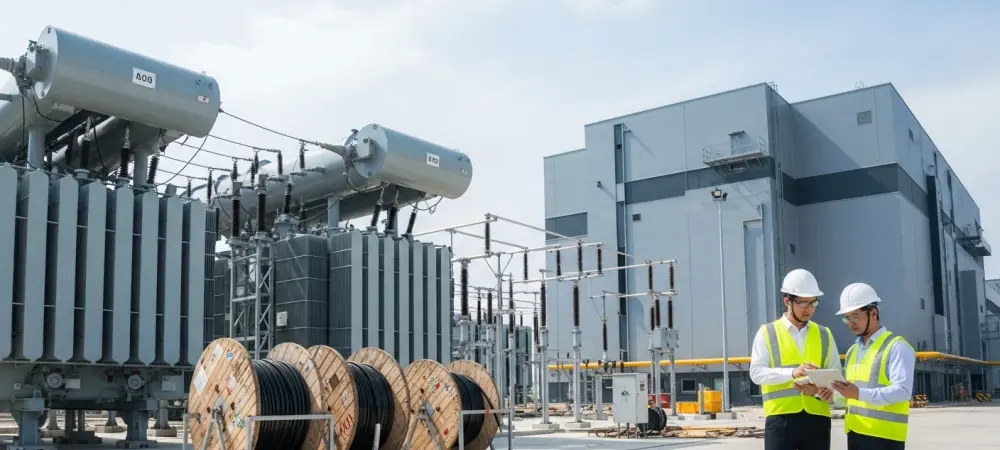
Securing a spot in the interconnection queue is only the first half of the battle, as the physical reality of building high-capacity power systems is currently hindered by a global shortage of essential electrical components. The production of specialized high-voltage equipment, such as large power transformers and circuit breakers, has failed to keep pace with the exponential growth of the data center sector. Lead times for these critical pieces of hardware now extend well beyond typical construction schedules, often forcing developers to wait three to four years for delivery after placing an order. This scarcity has created a secondary bottleneck where projects that have already received regulatory approval remain idle because the necessary physical components simply do not exist in the current market. To mitigate this risk, forward-thinking firms are engaging in aggressive, long-range procurement strategies, purchasing millions of dollars worth of equipment for sites that may not even be fully permitted yet.
The physical constraints of the grid are further exacerbated by a shortage of specialized labor and the logistical challenges of transporting massive electrical components across the country. Installing a single large-scale transformer requires not only the unit itself but also a fleet of specialized transport vehicles and a team of highly trained electrical engineers who are currently in high demand across multiple sectors, including renewable energy and domestic manufacturing. This convergence of hardware shortages and labor scarcity has created an environment where the speed of data center expansion is dictated by the manufacturing capacity of industrial factories rather than the speed of software innovation. As a result, the industry is seeing a shift toward standardized, modular designs that allow for more predictable equipment orders, but even these efforts are often stymied by the sheer lack of raw materials and manufacturing slots at the world’s leading electrical engineering firms.
Innovative Strategies for Energy Independence
Faced with the prospect of decade-long waits for grid access, many data center operators are taking matters into their own hands by developing “behind-the-meter” power solutions. This strategy involves building dedicated, on-site power plants that can supply the facility directly, bypassing the traditional transmission grid and its associated regulatory delays. Implementing these self-supply models requires a sophisticated orchestration of energy sources, as the 24/7 uptime requirements of modern data centers cannot be met by intermittent renewables like solar or wind alone. Consequently, developers are increasingly integrating massive battery energy storage systems with traditional natural gas turbines or advanced fuel cells to create a resilient, hybrid microgrid. While this provides a faster route to operational status, it also places the burden of environmental compliance and fuel procurement squarely on the data center operator, effectively turning technology companies into miniature utility providers.
Another controversial yet effective strategy gaining traction is co-location, where data centers are constructed in the immediate vicinity of existing power generation plants, such as nuclear or large-scale hydroelectric facilities. By plugging directly into the source of generation, these facilities can avoid much of the congested transmission infrastructure that plagues the broader grid. However, this practice has drawn intense scrutiny from state regulators and consumer advocacy groups who argue that it effectively privatizes public energy resources. The concern is that if a data center consumes a significant portion of a power plant’s output, that electricity is no longer available to heat homes or power local businesses, potentially driving up costs for the general public and threatening regional grid reliability. This tension has led to a complex legal landscape where developers must navigate intense public opposition and evolving state laws while trying to secure the high-density power required for next-generation AI workloads.
The Strategic Shift in Project Planning
The current energy landscape has fundamentally altered the criteria for successful data center development, moving the focus away from traditional real estate metrics toward energy-centric strategy. Developers are now prioritizing “powered land”—sites that already possess secured interconnection rights and existing high-voltage infrastructure—over locations that might offer better tax incentives or proximity to fiber networks. The value of such land has soared, as it offers the only predictable path to market in an otherwise uncertain environment. To survive in this market, firms must now employ teams of energy economists and utility lawyers at the very earliest stages of site selection, ensuring that every project is vetted against the long-term capacity of the local power grid. This proactive approach is no longer an optional advantage but a basic requirement for any organization hoping to scale its digital footprint in the coming years.
Looking ahead, the industry must move toward a more collaborative relationship with utility providers and government regulators to ensure the long-term viability of digital expansion. This involves not only investing in on-site generation as a temporary bridge to grid connection but also participating in the broader modernization of the American electrical system. Developers are increasingly exploring participation in demand-response programs, where they can throttle their non-essential power usage during peak grid stress to help stabilize the local network. By becoming active participants in grid management rather than passive consumers, data center operators can build the social and regulatory capital needed to secure future capacity. The ultimate winners in this era will be the organizations that can master the complexities of electrical engineering and regulatory advocacy as effectively as they manage server racks and data flows. In this resource-constrained environment, energy literacy has become the most valuable currency in the technology sector.