

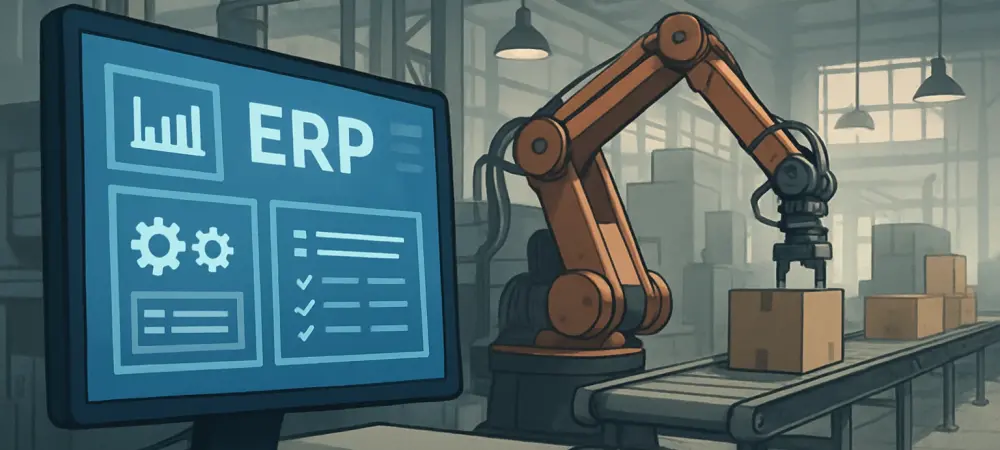
In the fast-evolving manufacturing sector, a staggering 78% of mid-sized firms scaling from $10 million to $100 million in revenue now rely on Enterprise Resource Planning (ERP) systems to manage their growth, according to recent industry surveys. This statistic underscores a pivotal shift in how manufacturers navigate the complexities of expansion amid rising operational demands. ERP systems have become indispensable tools, offering a unified platform to streamline processes, mitigate risks, and maintain competitive agility in a landscape defined by technological disruption and global competition. This analysis delves into the surging adoption of ERP in manufacturing, supported by market data, real-world examples, expert insights, and a forward-looking perspective on how these systems are shaping scalable growth. Key takeaways will illuminate why modern solutions like Microsoft Dynamics 365 are critical for staying ahead.
The Rising Adoption of ERP in Manufacturing
Growth Trends and Market Data
The adoption of ERP systems among manufacturing firms has seen a remarkable uptick, particularly among small to mid-sized enterprises aiming to scale from $10 million to $100 million in revenue. Industry reports indicate that over 60% of these businesses have implemented ERP solutions in the last five years, with projections estimating an additional 15% growth in adoption by 2027. This surge reflects a growing recognition of ERP as a cornerstone for operational scalability, enabling firms to handle increased production volumes and complex supply chains without proportional rises in risk.
Beyond sheer numbers, the reliance on ERP for risk management stands out as a driving factor. Modern systems provide real-time visibility into operations, a feature that legacy tools like spreadsheets or disconnected software lack. Data from leading analysts shows that manufacturers using ERP reduce operational downtime by up to 30%, highlighting their role in maintaining efficiency during growth spurts.
A notable trend within this space is the transition from outdated systems to AI-powered ERP platforms such as Microsoft Dynamics 365. Unlike traditional setups, these solutions integrate advanced analytics and cloud capabilities, allowing businesses to adapt dynamically to market changes. This shift is not just a technological upgrade but a strategic move toward future-proofing operations against unpredictable challenges.
Real-World Impact and Case Studies
Concrete examples of ERP-driven success in manufacturing paint a vivid picture of their transformative power. A mid-sized automotive parts manufacturer, for instance, scaled its operations across three plants after implementing an ERP system, resolving chronic production bottlenecks by optimizing scheduling and resource allocation. The result was a 25% increase in output within the first year, demonstrating how such tools tackle growth barriers head-on.
Another compelling case involves a food processing company that used ERP to enhance inventory management during a rapid expansion phase. By leveraging real-time data, the firm minimized stockouts and overstocking, cutting waste by 18% while ensuring compliance with stringent regulatory standards across multiple regions. This illustrates ERP’s capacity to synchronize complex workflows under a single framework.
Specific implementations of Dynamics 365 further showcase tangible benefits. A machinery producer adopted this platform to gain real-time analytics via Power BI dashboards, enabling precise demand forecasting and modular growth as new product lines were added. Such examples underline how ERP not only supports expansion but also embeds flexibility and intelligence into everyday operations.
Expert Perspectives on ERP as a Growth Enabler
Industry leaders and technology consultants consistently highlight ERP systems as vital catalysts for scaling manufacturing businesses. A CEO of a prominent industrial equipment firm noted that ERP provides a “single source of truth,” allowing leadership to make informed decisions without the fog of fragmented data. This clarity is deemed essential when navigating the intricacies of tenfold revenue growth.
Consultants also emphasize the game-changing role of AI integration within ERP platforms. Predictive capabilities, such as anticipating machine failures or optimizing production capacity, shift decision-making from reactive to proactive, as pointed out by a senior technology advisor. This strategic edge is particularly crucial for manufacturers expanding into new markets or managing multi-plant operations under tight timelines.
However, challenges like high initial costs and the need for staff training are acknowledged by professionals as potential hurdles. Experts suggest mitigating these through phased implementations and leveraging vendor support for tailored onboarding programs. Their consensus is clear: while adoption may pose short-term obstacles, the long-term benefits of streamlined operations and reduced risk far outweigh the drawbacks.
Future Horizons for ERP in Manufacturing
Looking ahead, ERP technology in manufacturing is poised to evolve with deeper AI integration, enhancing capabilities like predictive maintenance and demand forecasting. Cloud scalability remains a key focus, enabling firms to expand without the burden of heavy infrastructure investments. Additionally, IoT connectivity is set to revolutionize smart factories by linking machinery directly to ERP systems for seamless data flow.
These advancements promise significant benefits, including heightened operational efficiency and a stronger competitive stance in global markets. However, they also introduce challenges such as cybersecurity risks, given the increased reliance on digital networks, and integration complexities when merging diverse technologies. Manufacturers will need robust strategies to address these potential pitfalls.
Speculation on ERP also points to its role in supporting sustainability initiatives. Future ERP systems are expected to incorporate features for tracking carbon footprints and optimizing resource use, aligning growth with environmental responsibility. This balance could redefine how global manufacturing networks operate, prioritizing both profitability and planetary well-being.
Key Insights and Path Forward
Reflecting on the journey of ERP systems in manufacturing, it is evident that they play a crucial role in unifying operations, curbing risks, and fueling scalable growth. Their ability to centralize data and provide actionable insights transforms how firms tackle the challenges of expansion, ensuring efficiency even as complexity surges. Modern solutions like Dynamics 365 stand out for their adaptability, offering cloud-based scalability and real-time analytics that keep manufacturers ahead in a cutthroat market.
Looking back, the integration of AI and emerging technologies within ERP platforms marked a turning point, empowering businesses with predictive tools that reshaped strategic planning. For manufacturing leaders, the lesson is clear: embracing ERP is not merely an option but a strategic imperative. Moving forward, the focus should shift to customizing these systems to specific operational needs and exploring partnerships with expert vendors to ensure seamless implementation. This proactive approach promises to sustain momentum, paving the way for enduring success in an ever-evolving industrial landscape.