

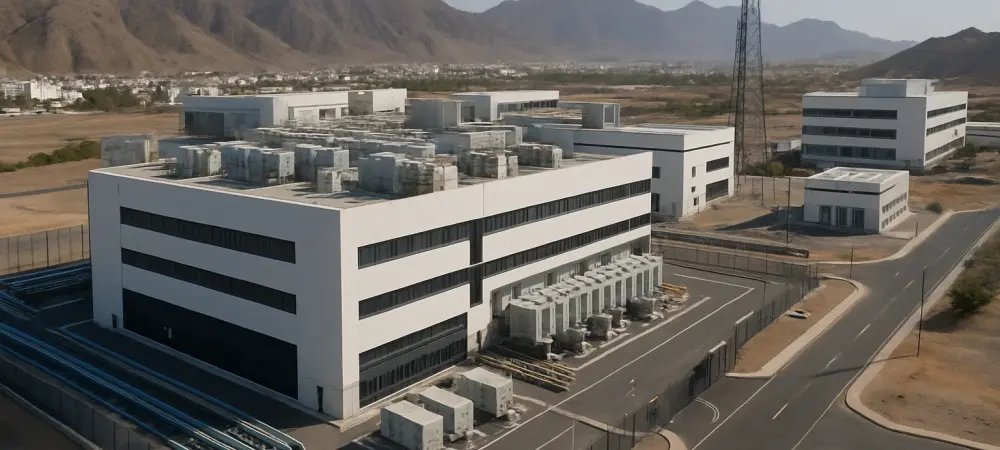
In an era where digital connectivity shapes the backbone of global economies, Oman is rapidly emerging as a pivotal digital hub in the Middle East, underscored by groundbreaking developments such as Ooredoo’s state-of-the-art data center in Salalah. This transformation is not merely a technological upgrade but a strategic move toward economic diversification, positioning the Sultanate as a key player in the regional digital landscape. Digital infrastructure stands as a cornerstone for innovation, enabling advancements in cloud computing, artificial intelligence, and international data traffic. This analysis delves into Oman’s remarkable growth in this sector, explores flagship projects driving the trend, incorporates expert insights, evaluates future prospects, and reflects on the broader implications for the region.
The Surge of Digital Infrastructure in Oman
Expansion Trends and Investment Momentum
Oman’s digital infrastructure landscape is witnessing unprecedented growth, with a significant increase in data centers and connectivity initiatives strategically located across key areas like Salalah, Barka, and Sohar. Reports indicate a robust pipeline of facilities, with major telecommunications players committing substantial investments to bolster the nation’s digital capabilities. Since this year, projections show continued expansion through at least 2027, highlighting Oman’s ambition to serve as a regional nexus for data and connectivity.
A clear indicator of this momentum is Ooredoo’s commitment to establishing multiple data centers, with plans for facilities in strategic locations complementing existing infrastructure. Industry announcements underscore a surge in capital allocation toward these projects, positioning Oman as a competitive hub amid rising demand for digital services in the Middle East. This trend reflects a broader shift, where infrastructure development is seen as a catalyst for attracting global tech investments.
The strategic placement of these facilities, particularly in coastal and industrial zones, enhances Oman’s role as a gateway for international data traffic. Collaborative efforts among local and international firms further amplify this growth, creating a dynamic ecosystem that supports both economic and technological progress in the region.
Flagship Projects and Tangible Outcomes
Among the standout initiatives is Ooredoo’s Salalah data center and cable landing station, a pioneering project in southern Oman that integrates cutting-edge technology with global connectivity. Launched with an initial capacity of 125 racks and plans to scale up to 500, this facility connects to major submarine cables such as 2Africa and India Europe Xpress, facilitating seamless international data exchange. Its location in Dhofar Governorate positions it as a critical node for regional and global networks.
Complementing this development, other significant projects, such as the collaboration between Equinix and Omantel for a data center in Salalah, highlight the competitive yet cooperative nature of Oman’s digital infrastructure sector. These initiatives not only boost local capacity but also elevate the city’s status as a connectivity hub, drawing attention from multinational corporations seeking reliable digital solutions.
The real-world impact of these projects extends beyond technology, fostering economic diversification by creating opportunities for businesses and supporting innovation in emerging fields. By anchoring submarine cables and providing scalable infrastructure, Oman is laying the groundwork for sustained growth in digital services, benefiting both local communities and international stakeholders.
Industry Voices on Oman’s Digital Vision
Expert opinions shed light on the transformative potential of Oman’s digital infrastructure investments. Saed Al Ghafri, Ooredoo’s director of infrastructure, emphasizes that facilities like the Salalah data center establish Oman as a southern gateway for international connectivity, offering unparalleled access to global data routes. This perspective underscores the strategic importance of such projects in redefining the country’s role in the digital economy.
Broader industry insights point to the pivotal role of these advancements in nurturing innovation across sectors like cloud computing and artificial intelligence. Analysts note that robust digital infrastructure is essential for Oman to meet its economic diversification goals, reducing reliance on traditional industries and positioning the nation as an attractive destination for tech-driven investments.
Furthermore, the consensus among stakeholders highlights how these developments create a ripple effect, encouraging partnerships and fostering a culture of technological progress. As digital capabilities expand, Oman is increasingly viewed as a fertile ground for cutting-edge solutions, with the potential to influence regional standards in digital excellence.
Future Horizons for Digital Infrastructure in Oman
Looking ahead, Oman’s digital economy is poised for significant expansion, with facilities like the Salalah data center enhancing local expertise while serving as conduits for global data traffic. The integration of international submarine cables and scalable infrastructure promises to solidify the Sultanate’s position as a critical link in the global digital chain, catering to rising demands for data services. However, challenges remain, including the need for certifications such as Uptime Institute Tier III status for key facilities to ensure reliability and competitiveness against other regional hubs. Balancing these hurdles are substantial benefits, including job creation, technological advancement, and the strengthening of Oman’s economic fabric through diversified revenue streams.
Partnerships, such as Ooredoo’s collaboration with Iron Mountain on the Syntys venture, signal a forward-thinking approach to shaping the future of digital infrastructure. These alliances are expected to drive innovation, expand service offerings, and position Oman as a leader in the regional digital arena, with ripple effects that could redefine connectivity standards across the Middle East.
Oman’s Digital Legacy
Reflecting on the journey, the strategic importance of projects like Ooredoo’s Salalah facility and the widespread investment in digital infrastructure across Oman stand as defining milestones in the nation’s transformation. These initiatives played a crucial role in establishing Oman as a formidable force in the regional digital economy, driving growth through innovation and connectivity. As a path forward, stakeholders are encouraged to deepen commitments to sustainable development and technological advancement, ensuring that infrastructure projects align with global standards. Building on this foundation, fostering international collaborations and investing in skill development emerge as vital steps to sustain momentum and secure Oman’s place at the forefront of digital progress in the region.