

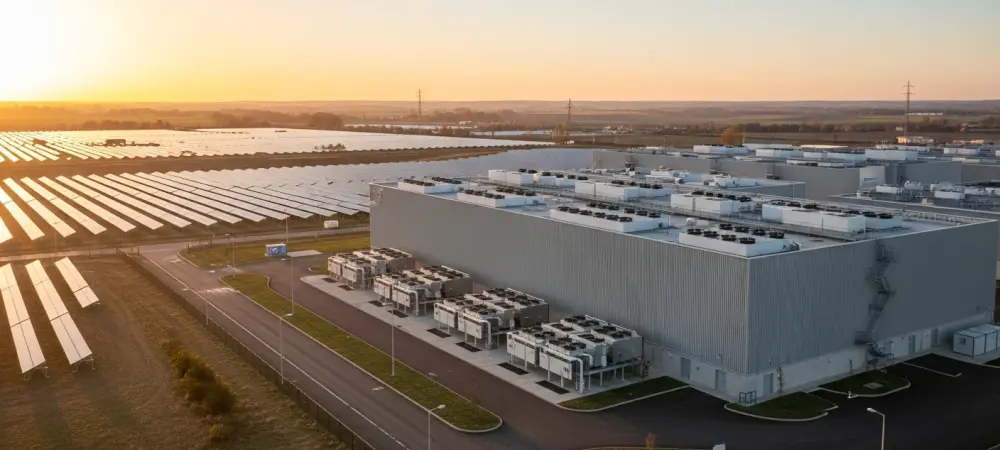
The invisible backbone of the internet is meeting its match as state legislatures begin to dismantle the long-standing era of unrestricted digital expansion. New York’s recent move to implement a statewide moratorium on large-scale data center development marks a historic pivot toward aggressive oversight. This legislative wave reflects a growing realization that the insatiable appetite for artificial intelligence cannot continue without clear boundaries on power and water usage.
The Legislative Landscape of Modern Infrastructure
Tracking the Proliferation: High-Consumption Facilities
Hyperscale facilities have evolved into massive industrial complexes that consume more energy than small cities. Power demand for these “large data centers” frequently exceeds 20 megawatts, creating a concentrated strain on regional electric grids that was previously unforeseen.
As developers seek more land for these massive projects, state officials are identifying a critical need to rebalance industrial growth with residential reliability. This awareness stems from the pressure to protect natural resources from being depleted by facilities that operate around the clock.
Practical Applications: Regulatory Moratoriums and Standards
The Responsible Data Center Development Act exemplifies this shift by imposing a one-year pause on new 20MW+ facilities to evaluate their true footprint. This policy moves beyond observation by placing data centers into separate electric and water rate classes.
Furthermore, requirements for American-made iron and steel in facilities as small as 5MW demonstrate a desire to tie digital growth to domestic manufacturing. Such mandates signal that future approvals will require more than just technical compliance; they will require significant community investment.
Expert Perspectives: Resource Management and Policy
Senator Kristen Gonzalez has been a vocal critic of the lack of transparency in the sector, arguing that the public deserves to know how much groundwater is diverted. These sentiments are supported by groups like Food & Water Watch, who view strict regulation as vital for ecological stability.
However, executive leadership often hesitates to centralize power that traditionally belongs to local zoning boards. Governor Kathy Hochul has voiced concerns that rigid statewide mandates might interfere with the nuanced needs of individual communities or deter competitive economic investment.
Future Implications: The Global Tech Ecosystem
Legislative friction will inevitably reshape how technology companies plan their long-term site selections across the continent. Instead of focusing solely on connectivity and tax incentives, firms must prioritize energy efficiency and community integration as core pillars of their business models.
This shift will likely accelerate the adoption of decentralized infrastructure. Reducing the reliance on massive, resource-heavy hubs in favor of smaller edge computing sites allows for a more manageable load on the utility grid while maintaining digital speeds.
Final Reflections: The Path Toward Sustainable Tech
The transition toward a regulated data center environment established a new precedent for how digital infrastructure projects were evaluated. Policymakers integrated environmental benchmarks into permits, which forced developers to adopt innovative cooling technologies and renewable energy storage.
This evolution moved the industry toward a collaborative model that prioritized grid stability and long-term health. New strategies emerged to ensure that the physical needs of communities remained as protected as the digital services they supported, creating a balanced framework for the next decade of growth.