

The rapid deployment of high-density computing infrastructure has evolved from a long-term strategic goal into an immediate operational necessity for European enterprises seeking to remain competitive in the global digital economy. While traditional facility construction typically spans eighteen to twenty-four months, the Italian landscape recently witnessed a radical departure from this timeline through the implementation of advanced modular engineering techniques. This shift was catalyzed by the urgent requirement for localized processing power, particularly in northern industrial hubs where low-latency connections to Milan and Frankfurt are paramount for financial services and automated manufacturing. By utilizing prefabricated structural components and integrated power skids, engineers successfully bypassed the conventional delays associated with site-poured concrete and on-site assembly. This acceleration signals a new era for regional digital sovereignty, where the physical constraints of geography and labor availability are mitigated by industrialized construction methodologies that prioritize speed without compromising on the rigorous uptime standards of modern cloud architecture.
The Modular Advantage: Engineering Speed Through Prefabrication
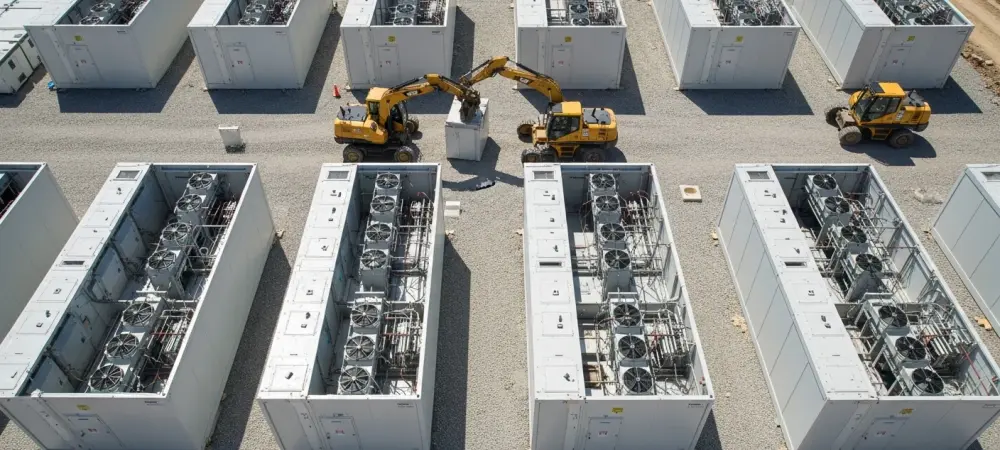
The achievement of a five-week delivery window relied heavily on the decoupling of site preparation from the manufacturing of critical infrastructure modules. While the foundation work was underway in Italy, specialized fabrication facilities in other parts of Europe were simultaneously assembling the power distribution units, medium-voltage switchgear, and cooling plants into standardized, transportable housings. This parallel processing ensured that as soon as the ground was leveled and the utility connections were established, the primary components of the data center could be craned into position and interconnected within days. Specifically, the use of chilled-water cooling modules and prefabricated power rooms reduced the margin of error typically found in field-installed systems. Because these units were factory-tested before shipment, the commissioning phase was condensed significantly, allowing technicians to verify performance parameters immediately. This methodology also addressed the scarcity of specialized labor by shifting the complexity of electrical engineering into controlled industrial environments, establishing a repeatable blueprint for rapid expansion across the continent.
Strategic Infrastructure: Enhancing Regional Connectivity and Resilience
The successful completion of this project established a new benchmark for how European organizations should approach the expansion of their digital footprint in 2026 and beyond. Moving forward, the focus shifted toward the standardization of modular designs to facilitate even faster deployment cycles across diverse geographic regions. Stakeholders addressed the initial challenges by prioritizing vendors who could provide end-to-end integration of liquid cooling and AI-optimized hardware within a single prefabricated enclosure. For organizations planning similar expansions, the next logical step involved securing long-term supply chain agreements for critical components, such as power-dense transformers and specialized heat exchangers, to prevent hardware lead times from becoming the new bottleneck. Furthermore, the integration of heat recovery systems into these modular designs allowed the facility to contribute to local district heating networks. This approach provided a sustainable path for industrial growth while meeting environmental regulations. Future considerations favored the adoption of software-defined power management to ensure that these rapidly deployed sites could scale their capacity dynamically as computational demands evolved.