

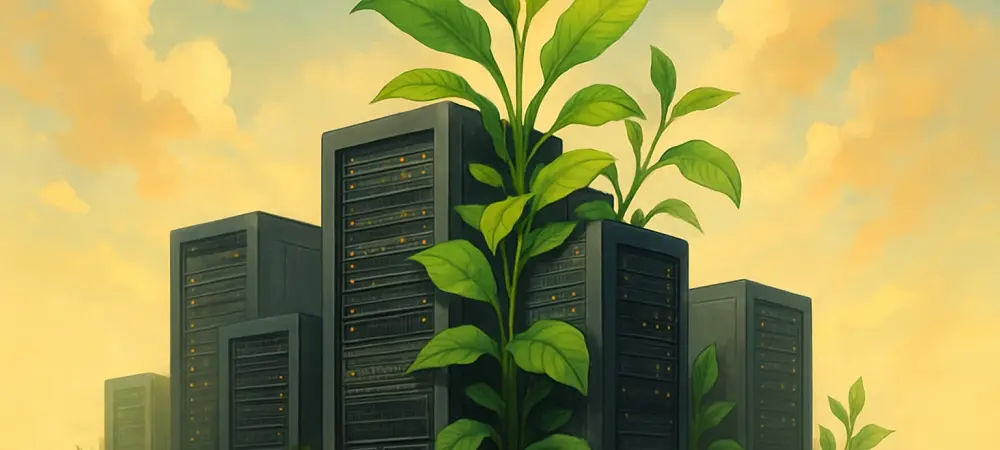
Setting the Stage for a Digital Revolution
In an era where digital data is expanding at an unprecedented rate, a staggering statistic emerges: global data creation is projected to reach 181 zettabytes by the end of this year, according to industry estimates, highlighting the urgent need for robust infrastructure. This deluge of information, fueled by streaming services, social media, and enterprise digitization, demands powerful systems to store, process, and manage it. Data centers, the backbone of this digital ecosystem, are experiencing a historic boom as companies race to meet the insatiable need for computing power. This surge is not merely a trend but a fundamental shift in how modern economies operate, driven by technological advancements that reshape industries.
The significance of this growth extends beyond mere numbers, touching every facet of daily life and business operations. From enabling seamless cloud services to powering artificial intelligence (AI) algorithms, data centers are critical to sustaining the digital economy. This article explores the current landscape of data center infrastructure, delving into key metrics, real-world examples, expert perspectives, and the future trajectory of this vital sector, while highlighting the challenges and opportunities that lie ahead.
The Surge in Data Center Demand
Growth Metrics and Market Expansion
The global data center market is witnessing explosive growth, with construction pipelines reaching new heights. A prime example is Goodman Group, an Australian commercial property firm, projecting its pipeline to hit AU$17.5 billion (US$11.3 billion) by 2027, a significant leap from its current AU$12.4 billion (US$8 billion) of work in progress. Data centers now account for 68% of this figure, with expectations to climb to 75% within the next two years, reflecting the sector’s dominance in their portfolio.
This expansion mirrors broader industry trends, where demand for computing power is skyrocketing due to cloud computing and AI applications. Hyperscale clients and colocation providers, which constitute 90% of Goodman’s deals, are driving this need, seeking massive capacity to support their operations. Such figures underscore how integral data centers have become to meeting the digital demands of large-scale tech enterprises.
Another notable shift is the move toward urban-centric facilities, as proximity to end-users becomes a priority for low-latency services. This trend aligns with market dynamics favoring locations in or near major metropolitan hubs, ensuring faster data delivery and enhanced user experiences. Companies are strategically positioning themselves in these high-demand areas to gain a competitive edge in a supply-constrained environment.
Real-World Impact and Project Highlights
Goodman Group’s portfolio offers concrete examples of this boom, with projects tailored to urban markets. A recently completed 32MW data center in Los Angeles, slated for handover soon, exemplifies their focus on key cities with high digital traffic. Additionally, plans for a 97MW facility in San Jose further demonstrate their commitment to scaling capacity where demand is most acute.
Their global presence amplifies the scope of this trend, with operations spanning diverse markets such as Hong Kong, Australia, Germany, the US, France, and Japan. This widespread footprint highlights the universal nature of data center growth, as digital needs transcend geographic boundaries. Each location is chosen for its strategic value, ensuring alignment with regional tech ecosystems and client requirements.
Energy preparedness also plays a pivotal role in their strategy, evidenced by a power pipeline of 5GW, with 3.4GW already secured. This forward-thinking approach addresses one of the industry’s critical challenges—sustaining the immense energy demands of modern data centers. Such initiatives provide a blueprint for how companies are gearing up to support future expansion in this sector.
Industry Perspectives on the Infrastructure Surge
Goodman Group’s CEO, Greg Goodman, offers valuable insight into the strategic direction fueling this growth. He emphasizes building in under-supplied, high-demand urban markets rather than speculative remote locations, a tactic that ensures projects meet existing and near-future needs. This deliberate focus mitigates risks and maximizes returns in a competitive landscape.
His outlook remains optimistic despite concerns over a potential AI bubble, asserting that the demand for computing resources will persist. This confidence is rooted in the steady reliance on cloud services and AI-driven solutions by major tech players, which continue to push infrastructure requirements upward. His perspective reflects a broader belief in the enduring relevance of data centers as digital transformation accelerates.
Industry consensus further supports this view, with many experts highlighting the pivotal role of hyperscale clients in shaping market dynamics. Colocation providers also contribute significantly, offering shared facilities that cater to diverse businesses. Together, these stakeholders form a robust ecosystem that drives sustained investment in data center infrastructure, reinforcing its status as a cornerstone of technological progress.
Future Horizons for Data Center Infrastructure
Looking ahead, the trajectory of data center needs appears poised for further escalation as AI and cloud computing continue to evolve. Capacity requirements could surpass current projections, such as Goodman’s planned 500MW by 2027, necessitating even greater investment in space and power resources. Emerging technologies like edge computing may also amplify the push for localized facilities.
Challenges loom on the horizon, including energy constraints and regulatory hurdles that could impede rapid expansion. Market saturation in certain regions poses another risk, potentially leading to overcapacity if demand forecasts falter. However, companies like Goodman are mitigating these issues through secured power pipelines and strategic site selections, ensuring resilience against such obstacles.
On the positive side, this growth promises enhanced digital connectivity and innovation, enabling breakthroughs in fields like healthcare and education through data-driven solutions. Yet, environmental concerns over energy consumption remain a critical issue, urging the industry to adopt sustainable practices. Balancing these outcomes will shape the long-term impact of the data center boom on global infrastructure.
Key Insights and Path Forward
Reflecting on the past, the data center infrastructure boom has emerged as a defining trend, with Goodman Group playing a central role through its AU$17.5 billion pipeline projected for 2027. Their focus on hyperscale demand and urban projects has positioned them as a leader in addressing global capacity shortages. This mirrors a larger reliance on cloud and AI technologies that have fundamentally transformed the digital landscape.
Looking back, the importance of strategic planning has become evident, as energy and location decisions proved critical to success. For future progress, stakeholders are encouraged to prioritize sustainable innovations, such as renewable energy integration, to mitigate environmental impacts. Collaborative efforts among industry players are also seen as essential to navigate regulatory challenges and ensure equitable growth.
Ultimately, the path forward requires a commitment to balancing technological advancement with ecological responsibility. By investing in green infrastructure and forward-thinking policies, the industry can ensure that the data center boom not only supports global connectivity but also contributes to a sustainable digital future.