

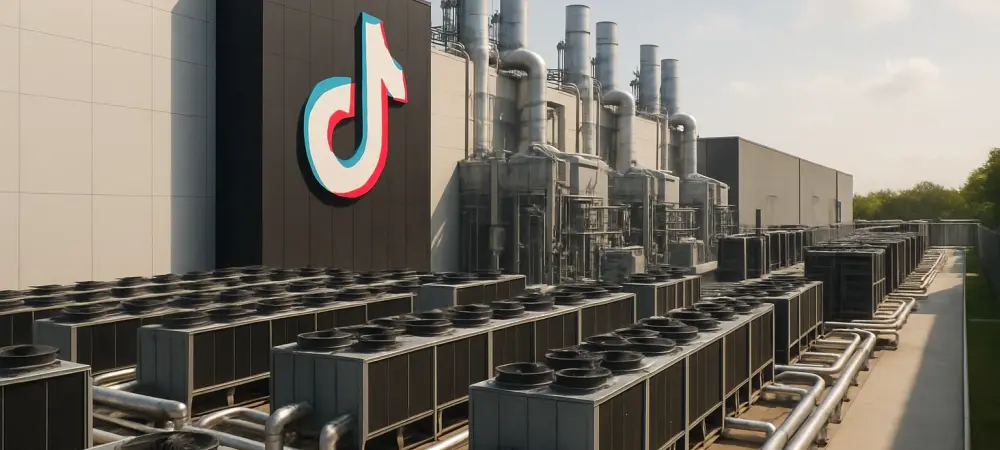
In an era where digital content consumption is skyrocketing, the infrastructure supporting platforms like TikTok must keep pace with unprecedented demand, and Latin America, often overlooked in the global tech race, is now stepping into the spotlight with a staggering $9.4 billion data center project in Brazil, exclusively designed for TikTok. Located in the Pecém port complex in Ceará state, this initiative marks a transformative moment for the region’s technological landscape. This review delves into the intricacies of this hyperscale facility, exploring its core features, sustainability innovations, and its broader implications for Brazil’s digital economy.
Core Features and Infrastructure Breakdown
Physical Build by Omnia
The backbone of this ambitious project lies in the hands of Omnia, a data center company supported by Pátria Investimentos, which is investing $2.25 billion in the physical infrastructure. This includes the construction of buildings, advanced cooling systems, robust security measures, and high-speed connectivity solutions. These elements are critical for a facility expected to consume 300MW of power, positioning it as the largest single-client data center in Brazil’s history.
Beyond the sheer scale, the technical precision required for such a hyperscale setup is noteworthy. The infrastructure must ensure uninterrupted operations for a platform handling billions of user interactions daily. Omnia’s expertise in tailoring environments for tech giants ensures that the facility can withstand the intense demands of modern data processing, setting a benchmark for future projects in the region.
IT Investments and Client Contributions
A significant portion of the project’s budget is allocated to IT equipment, including servers, storage systems, and networking hardware, presumably funded by TikTok. This division of financial responsibility highlights a collaborative model where the client focuses on core technological assets while Omnia handles the structural foundation. Such a split is common in hyperscale developments but underscores the massive capital required for cutting-edge setups.
However, ambiguity persists around the specifics of TikTok’s involvement. While Brazilian government sources have pointed to TikTok as the anchor client, ByteDance, the parent company, along with other stakeholders like Pátria Investimentos, has yet to provide official confirmation. This lack of clarity adds a layer of uncertainty to an otherwise groundbreaking endeavor, raising questions about the partnership’s transparency.
Sustainability at the Forefront
One of the standout aspects of this data center is its commitment to renewable energy, achieved through a partnership with Casa dos Ventos. This renewable energy specialist is investing $653 million to develop dedicated wind farms, ensuring a sustainable power supply for the energy-intensive facility. This move aligns with global trends toward greener technology, addressing the environmental footprint of data centers.
Lucas Araripe, executive director at Casa dos Ventos, has emphasized the importance of such initiatives in meeting long-term energy needs responsibly. By integrating clean energy solutions, the project not only mitigates operational costs over time but also positions Brazil as a leader in sustainable tech infrastructure within Latin America. This focus could inspire similar efforts across the industry, balancing innovation with ecological responsibility.
Strategic Significance and Regional Impact
The choice of Pecém port complex as the site for this data center is no accident. Its logistical advantages, including proximity to major shipping routes and economic zones, make it an ideal hub for large-scale infrastructure. This strategic location enhances connectivity and supports the scalability needed for a platform like TikTok, which relies on rapid data transfer across global networks.
More broadly, the project elevates Brazil’s standing in the global tech arena. As digital economies expand, the country is becoming a magnet for tech giants seeking to establish a foothold in Latin America. This data center serves as a catalyst, potentially attracting further investments and reinforcing Brazil’s role as a critical node in the international digital framework.
Challenges on the Horizon
Despite its promise, the initiative faces notable hurdles. The absence of official statements from ByteDance and other key players fuels speculation about the project’s direction. This lack of transparency could undermine confidence among investors and stakeholders, especially in a venture of this magnitude.
Additionally, practical challenges loom large. Regulatory complexities, potential construction delays, and shifting market dynamics could disrupt the timeline, with commissioning targeted for 2027. As the project progresses from 2025 onward, navigating these obstacles will be crucial to maintaining momentum and delivering on its ambitious goals.
Long-Term Prospects for Brazil’s Tech Ecosystem
Looking ahead, this data center could redefine Brazil’s technological landscape. Its successful implementation might lure other global tech firms to explore similar investments, drawn by the country’s growing infrastructure capabilities and supportive investment climate. The ripple effect could spur job creation, skill development, and innovation hubs across the region.
Moreover, the emphasis on hyperscale facilities and sustainability sets a precedent for future developments. It signals a shift toward integrating environmental considerations into tech planning, potentially shaping policies and practices for upcoming projects. Brazil stands at the cusp of becoming a model for balancing digital growth with ecological mindfulness.
Final Reflections
Looking back, the journey of the TikTok Brazil data center project reveals a bold fusion of scale, technology, and sustainability that challenges conventional infrastructure norms. Its collaborative framework and strategic vision underscore a pivotal moment for Latin America’s tech narrative. Moving forward, stakeholders should prioritize transparent communication to build trust and address uncertainties. Additionally, leveraging this project as a blueprint, Brazil can advocate for policies that attract further tech investments while championing renewable energy integration, ensuring that digital progress and environmental stewardship go hand in hand.