

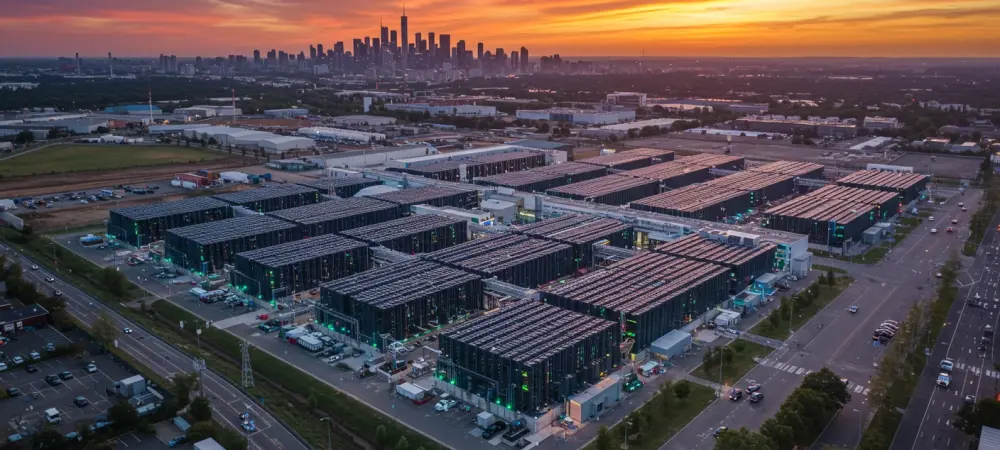
Imagine a state where the digital backbone of the modern world is being built at an unprecedented pace, powering everything from cloud computing to artificial intelligence. Texas, with its vast landscapes and booming economy, has emerged as a critical epicenter for data center development, attracting global giants and billions in investments. This surge underscores the vital role data centers play in driving digital transformation and economic growth, positioning the state as a leader in the tech infrastructure landscape. This analysis delves into the remarkable expansion of data centers in Texas, spotlighting Yondr Group’s ambitious project in Lancaster and exploring broader industry trends that shape this dynamic sector.
The Surge of Data Center Growth in Texas
Market Dynamics and Growth Statistics
Texas has solidified its status as a premier destination for data center investments, with the Dallas-Fort Worth area ranking among the top tier 1 markets globally. Industry reports highlight that this region has seen a staggering increase in data center capacity over recent years, with investments projected to grow significantly from now to 2027. According to credible market analyses, the area accounts for a substantial share of national data center construction, driven by robust demand for digital services and strategic geographic advantages.
This growth is fueled by Texas’s favorable business climate, including tax incentives and access to reliable power grids, which are essential for energy-intensive data center operations. The state’s connectivity infrastructure, with extensive fiber networks, further enhances its appeal to tech companies seeking low-latency solutions. These factors collectively position Texas as a powerhouse, outpacing many other regions in both capacity and new project announcements.
Real-World Developments in Dallas-Fort Worth
A prime example of this trend is Yondr Group’s massive 550MW data center campus planned for Lancaster, just south of Dallas. Set to break ground next year, this 163-acre facility represents one of the largest single investments in the region, showcasing the scale of ambition among developers. The project highlights how Dallas-Fort Worth continues to attract top-tier players with its strategic location and infrastructure readiness.
Beyond Yondr, other industry heavyweights such as Skybox, QTS, and Stack are also expanding their presence in the area, creating a dense cluster of digital infrastructure. Skybox has developed hyperscale campuses, while QTS and Stack have focused on customized solutions for enterprise clients, reflecting diverse approaches to meeting market needs. This concentration of activity underscores the region’s critical role as a hub for data storage and processing.
The ripple effects of these developments extend to local economies, with increased demand for construction, technology, and support services. Each new campus not only bolsters digital capacity but also catalyzes growth in ancillary sectors, reinforcing Dallas-Fort Worth’s reputation as a magnet for tech investment. This localized boom mirrors a national trend of concentrating data resources in key metros.
Industry Perspectives on Texas as a Data Center Hub
Insights from industry leaders reveal why Texas remains a focal point for data center growth. Aaron Wangenheim, CEO of Yondr Group, emphasized the strategic importance of Dallas as a gateway to the US market, citing its robust infrastructure and market demand. He also highlighted the company’s commitment to sustainability, ensuring that new facilities align with environmental goals while delivering reliable digital solutions.
Local leaders echo this enthusiasm, recognizing the broader benefits of such investments. Lancaster Mayor Clyde Hairston noted that Yondr’s project will bring full-time jobs and substantial financial support for community initiatives, fostering economic vitality. His comments reflect a shared optimism among municipal authorities about the transformative potential of data center expansions in enhancing local prosperity.
Broader industry opinions point to Texas’s unique advantages, including abundant land, a pro-business regulatory environment, and proximity to major tech markets. Analysts and executives agree that these factors, combined with growing digital consumption, make the state an ideal location for sustained investment. This consensus suggests that Texas will continue to draw significant attention from global developers seeking to capitalize on emerging opportunities.
Future Outlook for Data Center Expansion in Texas
Looking ahead, the trajectory for data centers in Texas appears poised for continued acceleration, driven by escalating demand for cloud services, AI workloads, and edge computing. Infrastructure advancements, such as improved power generation and cooling technologies, are expected to support this growth by addressing operational needs. The state’s ability to scale digital capacity will likely keep it at the forefront of national and global trends.
However, challenges loom on the horizon, including high energy consumption that strains local grids and regulatory hurdles that could slow project timelines. Land availability in prime areas like Dallas-Fort Worth is also becoming a concern as competition intensifies. Balancing these obstacles with benefits like job creation and technological innovation will be crucial for maintaining momentum in the sector.
Speculation around Yondr Group’s future plans adds another layer of intrigue, with hints of advanced discussions for additional US sites beyond Texas. Despite this, the state’s established infrastructure and market maturity suggest it will remain a central focus for the company and others. As digital needs evolve, Texas could serve as a testing ground for next-generation data center models, influencing industry standards nationwide.
Texas as a Digital Powerhouse
Reflecting on the data center boom in Texas, the remarkable scale of projects like Yondr Group’s Lancaster campus stands out as a testament to the state’s allure for tech infrastructure investment. The convergence of major players and substantial capital in Dallas-Fort Worth marks a pivotal chapter in establishing the region as an indispensable node in the global digital economy. This period of rapid expansion highlights Texas’s capacity to support the world’s growing reliance on data.
Moving forward, stakeholders must prioritize sustainable practices and innovative solutions to address energy and land constraints that have emerged as significant hurdles. Collaborative efforts between industry, government, and communities could pave the way for policies that ensure long-term growth without compromising environmental or social goals. Keeping an eye on how Texas navigates these challenges will offer valuable lessons for other regions aiming to replicate this digital success story.