

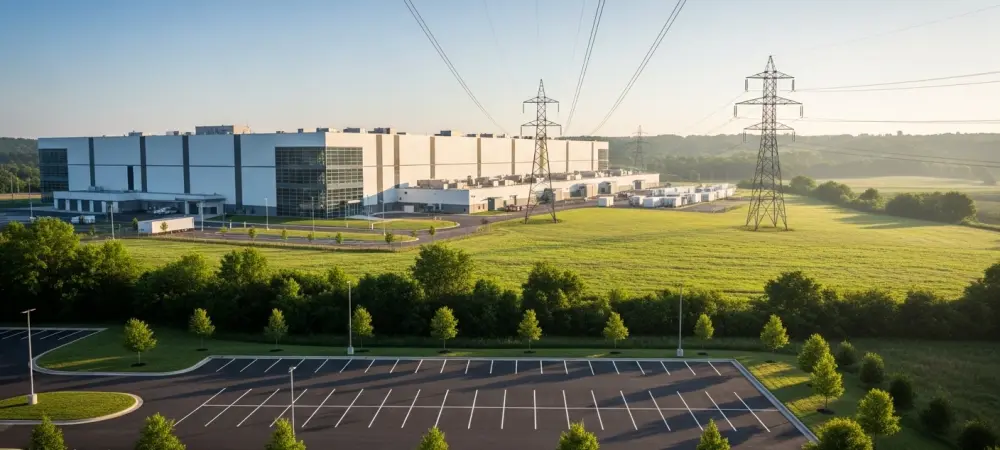
The relentless collision between global computational appetites and the physical limitations of local utility infrastructure has forced a sudden, icy pause on what was once a red-hot expansion market. While the surge in artificial intelligence and cryptocurrency mining drives unprecedented demand, it simultaneously clashes with aging power grids and local zoning laws. This friction point transformed data centers from welcome tax-revenue boons into controversial liabilities, sparking a wave of government interventions. The transition from rapid expansion to legal scrutiny, exemplified by recent disputes in North Carolina, represents a critical pivot for both investors and utilities.
The Shifting Landscape of Industrial Zoning and Data Infrastructure
Statistical Growth and the Rise of Legislative Freezes
Current market data indicates a steady 10% annual growth for data centers, yet this trajectory now meets a surge in municipal pauses on high-density industrial projects. Many of these facilities require upwards of 750MW, a load that frequently outpaces existing utility frameworks and regulatory boundaries. Consequently, many jurisdictions transitioned from offering incentives to implementing multi-year moratoriums to protect local resources. Legislative freezes are becoming a standard defensive tool for communities facing the environmental footprint of large-scale digital hubs. As the energy intensity of the sector climbs, officials are re-evaluating whether the immediate economic gain outweighs the long-term strain on public infrastructure.
Case Study: Eco TIP West vs. Chatham County Legal Dispute
In North Carolina, the conflict reached the courts after a one-year moratorium halted a 1.1 million-square-foot project in its tracks. The developer, Eco TIP West, alleged that the zoning freeze resulted from closed-door negotiations and community pressure rather than objective planning. With $11 million already invested, the firm claimed the pause violated state statutes and ignored established property rights. Central to this dispute was the facility’s intended use for cryptocurrency mining, a detail that galvanized local opposition. This case illustrates how specific sectors within the digital economy can act as catalysts for regulatory pushback, especially when community members perceive a lack of transparency in the development process.
Perspectives from Land Use and Infrastructure Experts
Legal professionals often emphasize that moratoriums must adhere to procedural fairness to avoid violating vested property rights. If a local government fails to follow strict statutory guidelines, it risks costly litigation and judicial overrides. Experts argue that carve-out exceptions are becoming essential for developers to navigate these volatile zoning environments and maintain project timelines. Urban planners point toward a significant regulatory lag between technological shifts and local lawmaking. While the digital sector evolves at breakneck speeds, municipal codes often reflect outdated industrial standards. This gap creates an environment of uncertainty that discourages long-term investment and complicates the path toward sustainable digital growth.
The Evolution of Digital Infrastructure and Community Policy
The path forward likely involves a standardized regulatory approach that balances massive power requirements with environmental preservation. Regional authorities may soon implement transparent public-private negotiations to mitigate backlash before construction begins. Such a pivot toward green data centers could help bridge the gap between corporate innovation and community acceptance. However, there remains a persistent risk of capital flight toward more developer-friendly regions if zoning remains unpredictable. Jurisdictions that fail to establish clear, fair rules for high-density infrastructure may lose out on the next wave of technological advancement to neighboring territories.
Conclusion: Balancing Private Innovation with Public Accountability
The core conflict between private property rights and the government duty to protect community resources summarized the current state of industrial development. Stakeholders reaffirmed that while data centers remained essential for the modern economy, their growth required reconciliation with local ecological limits. The necessity of collaborative planning served as a final lesson to avoid legal battles and ensure that digital infrastructure matured in a way that benefited both investors and the public.