

The skyrocketing demand for digital processing power in the London metropolitan area has created a significant supply-demand imbalance that current infrastructure is struggling to resolve effectively. As hyperscale and edge computing clients scramble for reliable capacity, the Reigate & Banstead Borough Council has granted full planning permission to a joint venture between Castleforge and Galaxy Data Centers for a major redevelopment project. This initiative centers on the Foxboro Business Park in Redhill, Surrey, a strategic location poised to alleviate the congestion in the United Kingdom’s digital corridor. By modernizing an established site, the partnership aims to deliver a high-performance hub that meets the rigorous requirements of enterprise users while optimizing the existing 3.1-hectare land parcel. The project represents a notable shift in how real estate investment firms approach the specialized world of high-tech facilities, marking a debut for Castleforge in the sector through a calculated collaboration with seasoned operators to bridge the infrastructure gap.
Modern Infrastructure: Technical Specifications and Development Goals
The core of this ambitious redevelopment involves the complete transformation of the current Redhill campus, which encompasses 11,800 square meters of operational space originally acquired from Digital Realty. To facilitate the construction of the modern facility, the development plan calls for the demolition of two existing structures to make way for a state-of-the-art, two-story data center featuring four specialized data halls. With a total capacity of 15MW, the new design prioritizes density and efficiency, catering to the specific power needs of contemporary cloud services and AI-driven workloads. This transition from older, legacy architecture to a custom-built environment highlights the necessity of upgrading prime real estate to handle the power-intensive requirements of the mid-2020s. By leveraging Galaxy Data Centers’ operational expertise, the project ensures that the technical specifications align with global standards for uptime and resiliency, providing a robust foundation for the digital economy while maximizing the utility of the site’s footprint.
Sustainable Growth: Waste Heat Integration and Community Impact
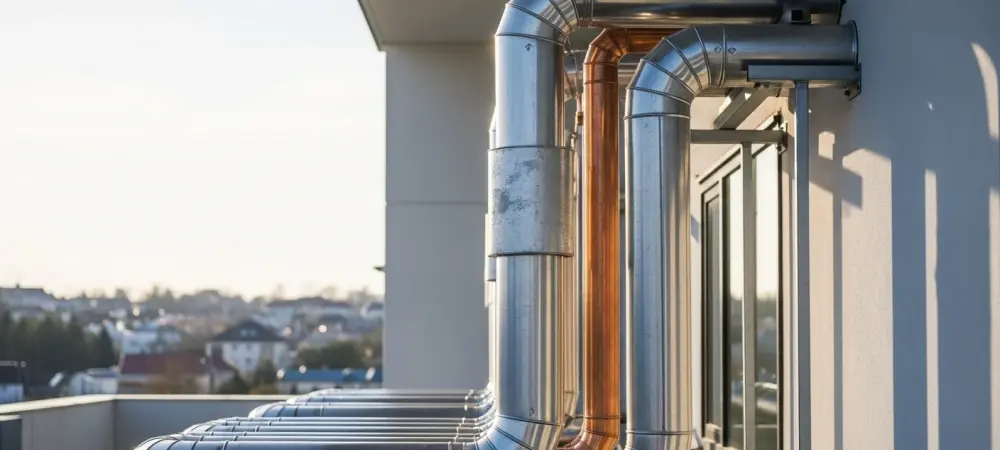
Looking beyond technical capacity, the project integrates a sophisticated waste heat recovery system that serves as a blueprint for future urban data center developments. This initiative was designed to capture excess thermal energy for immediate on-site use, with planned expansions to provide heat to neighboring residential networks in Surrey. Stakeholders should now prioritize the integration of such circular energy systems during the early design phases of new builds to satisfy increasingly stringent local environmental regulations. For developers, the successful approval of the Redhill campus underscored the importance of aligning high-density power requirements with community-centric benefits. Moving forward, the industry must adopt these localized energy-sharing models to secure planning permissions in density-constrained regions. The collaboration between real estate and specialized operators served as a functional template for revitalizing aging assets, ensuring that digital infrastructure remained an asset rather than a burden to its surrounding environment and local utility grids.