

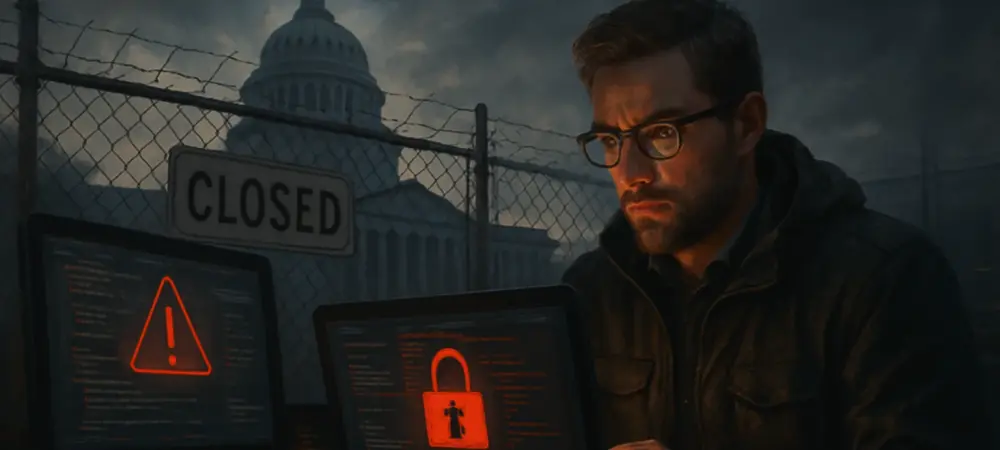
In a stark reminder of the fragility of national security, the recent 40-day government shutdown, one of the longest in modern U.S. history, left an estimated economic loss of $7 billion to $14 billion, according to the Congressional Budget Office, while exposing critical vulnerabilities in the nation’s cyber defenses. This intersection of political dysfunction and digital threats has never been more pronounced, as federal agencies tasked with safeguarding infrastructure face operational paralysis at a time when cyber adversaries are increasingly bold. With the digital landscape evolving rapidly, understanding how government shutdowns amplify cybersecurity risks is paramount to protecting national interests. This analysis delves into the cascading effects of such crises on cyber readiness, examines the rollout of pivotal frameworks like the Cybersecurity Maturity Model Certification (CMMC), incorporates expert insights, explores future implications, and offers actionable strategies to mitigate these pressing challenges.
The Dual Crisis: Government Shutdowns and Cybersecurity Challenges
Economic and Operational Fallout of Shutdowns
The economic toll of the recent 40-day shutdown reverberates across the nation, with projections indicating a potential 2% hit to fourth-quarter GDP if disruptions persist beyond initial estimates, as reported by the Congressional Budget Office. This financial strain, ranging from $7 billion to $14 billion in losses, underscores the broader impact on government functionality and public trust. Beyond dollars and cents, the shutdown disrupted essential services, delaying grants, slowing procurement processes, and straining safety net programs like food assistance, painting a grim picture of systemic fragility.
Operationally, the furlough of approximately 750,000 federal workers created significant gaps in critical functions, from air travel staffing to national defense oversight. Civilian employees in key departments, including Defense and Veterans Affairs, missed paychecks, affecting roles vital to maintaining security and stability. These disruptions highlight a troubling trend of increasing frequency and duration of shutdowns in recent U.S. history, each episode amplifying concerns over the nation’s ability to respond to emerging threats.
A clear pattern emerges when examining historical datshutdowns are no longer rare anomalies but recurring events that test the resilience of federal operations. This growing unpredictability, coupled with the economic and human cost, directly correlates with heightened national security risks, as adversaries may perceive these periods as windows of opportunity. The overlap between fiscal gridlock and defense vulnerabilities demands urgent attention to prevent long-term damage to the country’s strategic posture.
Real-World Impacts on Cybersecurity Operations
The cybersecurity ramifications of the recent shutdown are stark, with agencies like the Cybersecurity and Infrastructure Security Agency (CISA) furloughing nearly two-thirds of their workforce at various points. This drastic reduction slowed hiring efforts, curtailed outreach programs, and delayed joint exercises essential for maintaining robust defenses. Such operational setbacks create a domino effect, weakening the government’s ability to monitor and respond to digital threats in real time.
Compounding the issue, the expiration of the Cybersecurity Information Sharing Act during the shutdown period disrupted critical threat intelligence sharing between the private sector and federal entities. Without legal protections, companies hesitated to disclose vulnerabilities or attack data, leading to documented delays in identifying and mitigating risks. For instance, a notable slowdown in coordinated responses to phishing campaigns targeting infrastructure sectors illustrates how these legal gaps can cripple national defense efforts.
Historical analysis reveals that cyberattack attempts often spike during government shutdowns, as hostile actors exploit reduced oversight. While specific adversary actions tied to the latest crisis remain under investigation, the pattern of increased phishing, ransomware, and probing activities during past shutdowns serves as a cautionary tale. These real-world impacts underscore the urgent need for contingency plans to ensure cybersecurity operations remain uninterrupted, regardless of political stalemates.
Expert Perspectives on Shutdowns and Cyber Risks
Renowned cybersecurity professionals have sounded the alarm on how government shutdowns erode federal readiness against digital threats. A policy analyst from a leading think tank noted that furloughs at agencies like CISA create a “perfect storm” for adversaries, as understaffed teams struggle to keep pace with evolving attack vectors. This sentiment reflects a broader concern among experts that temporary crises have lasting repercussions on the nation’s cyber infrastructure.
Defense industry leaders also emphasize the strategic importance of frameworks like CMMC during such turbulent times. A senior executive from a major contractor association highlighted that “compliance with CMMC isn’t just a checkbox—it’s a lifeline for securing the defense supply chain when government support falters.” This perspective underscores the shift toward private-sector accountability, where companies must bolster their defenses independently of federal stability to maintain contract eligibility and national trust.
Systemic issues, such as inconsistent funding for cybersecurity agencies and persistent legal barriers to information sharing, further complicate the landscape, according to policy experts. Many argue that without stable budgets and updated legislation, the U.S. risks falling behind in the global cyber race. These insights collectively point to an urgent need for structural reforms that prioritize digital resilience over political expediency, ensuring that critical defenses remain intact during crises.
Future Outlook: Evolving Risks and Opportunities in Cybersecurity
Looking ahead, legislative proposals for automatic continuing resolutions offer a potential safeguard against future shutdowns by ensuring baseline funding for federal operations. If enacted, such measures could stabilize agencies like CISA, allowing for uninterrupted cyber defense activities even amid congressional gridlock. This development, currently under debate, represents a promising step toward mitigating the operational risks that exacerbate digital vulnerabilities.
The long-term enforcement of CMMC for defense contractors also holds transformative potential, with benefits including fortified supply chains and standardized security protocols across the industry. However, challenges such as compliance costs and the risk of contract exclusions for smaller firms loom large, potentially reshaping the competitive landscape over the next few years, from now to 2027. Balancing these costs with the imperative of national security will be a defining issue for policymakers and industry stakeholders alike.
Broader trends suggest an increasing burden on the private sector to shoulder national security responsibilities, particularly as persistent threats from nation-state actors and ransomware groups show no signs of abating. Over the coming decade, this shift could drive significant policy changes, including incentives for cyber innovation and stricter mandates for critical infrastructure protection. The evolving risk environment demands adaptive strategies that anticipate adversarial tactics while fostering collaboration between public and private entities to safeguard vital systems.
Key Takeaways and Call to Action
Government shutdowns and cybersecurity risks are inextricably linked, with recent events revealing profound economic losses, operational disruptions, and strategic vulnerabilities that threaten national defense. The staggering financial impact, furloughed workforces, and delayed threat responses during the latest crisis highlight the urgent need for robust mechanisms to protect digital infrastructure. Frameworks like CMMC emerge as critical tools in this fight, pushing contractors to elevate their security standards despite political turbulence.
Reflecting on the past, the recent turmoil served as a wake-up call, exposing how quickly cyber defenses can erode under fiscal strain. It became evident that stable funding for agencies like CISA and strict adherence to compliance mandates are not mere options but necessities for enduring safety. The expired legal frameworks for information sharing further illustrated the fragility of public-private partnerships during such times.
Moving forward, policymakers must champion legislation that prevents shutdowns through automatic funding measures, while defense contractors should treat CMMC compliance as a strategic priority to secure their role in national defense. Industry stakeholders are encouraged to invest in resilient cyber programs that withstand political disruptions, fostering partnerships that bridge gaps left by federal instability. By prioritizing these steps, the nation can build a fortified digital frontier, ready to confront threats regardless of Washington’s fiscal battles.