

Introduction to a Transformative Era
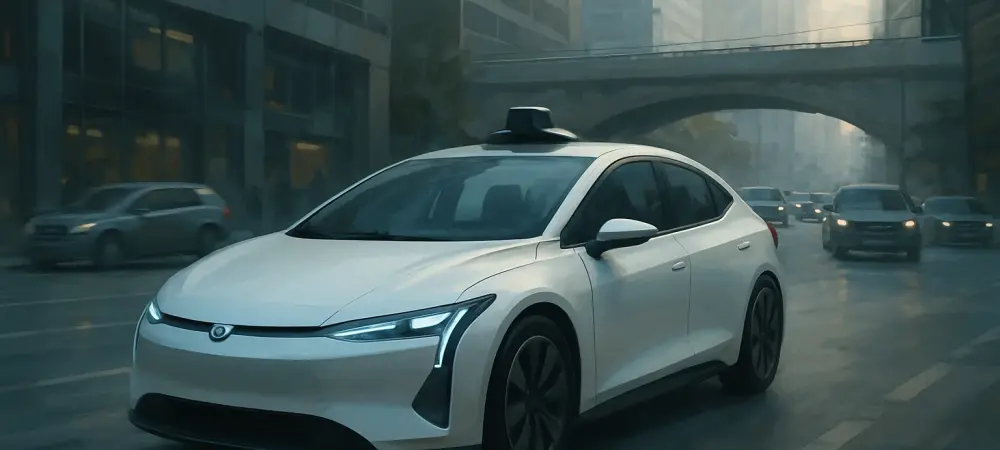
Picture a bustling city where driverless cars glide silently through optimized routes, drones deliver packages overhead, and autonomous ships dock with precision at ports—all orchestrated by artificial intelligence. This vision, once confined to science fiction, is rapidly becoming reality as AI reshapes the transportation landscape. The significance of AI in this sector cannot be overstated; it promises unparalleled efficiency, enhanced safety, and a sustainable path forward in an increasingly fast-paced world. This analysis delves into current trends, showcases real-world applications, incorporates expert insights, explores future possibilities, and distills key takeaways about AI’s role in revolutionizing mobility across land, air, and sea.
The Rise of AI in Transportation Systems
Growth and Adoption Trends
The adoption of AI in transportation is accelerating at an unprecedented pace, with significant economic implications. According to estimates from MIT Sloan, automation in this sector could generate up to $65 billion in economic value by simplifying labor-intensive processes. Investments are pouring into AI technologies, with industry reports indicating a surge in funding across multiple domains—land-based autonomous vehicles, aerial drones, and maritime operations. From 2025 onward, projections suggest a compound annual growth rate in AI transportation solutions exceeding 20%, driven by advancements in machine learning and sensor technology.
This growth is not limited to one mode of transport but spans a wide spectrum. Academic research highlights that global spending on AI for transportation is expected to double by 2027, reflecting a collective push toward innovation. Governments and private entities alike are prioritizing these technologies, with major tech hubs in North America and Asia leading the charge. Credible sources, including industry white papers, underscore that the integration of AI is no longer experimental but a strategic imperative for modern infrastructure.
The momentum behind AI adoption also reveals a competitive landscape. Nations and corporations are racing to establish dominance in this space, recognizing that leadership in AI-driven transportation equates to economic and strategic advantages. This trend signals a broader shift, where technology is not merely an enabler but a cornerstone of global progress in mobility solutions.
Real-World Applications Across Domains
On land, AI is already transforming how people and goods move, with autonomous vehicle deployments setting the standard. Companies like GM and Penske are at the forefront, rolling out self-driving trucks and cars that navigate complex urban environments with minimal human intervention. These initiatives demonstrate AI’s capacity to reduce human error and optimize logistics, paving the way for scalable solutions in freight and personal transport.
In the aviation sector, innovation is soaring with AI-powered systems redefining flight operations. Shield AI, a notable player, is developing autonomous drones and fighter jets that enhance military and commercial capabilities. These advancements are not just about automation but also about improving precision and safety in high-stakes scenarios, showcasing AI’s potential to revolutionize airspace management.
Maritime industries are also witnessing a quiet but profound transformation through AI. Processes like shipbuilding, traditionally labor-intensive, are being streamlined with intelligent systems that enhance design and production efficiency. Notable initiatives include automated port operations and AI-guided navigation for cargo ships, which reduce turnaround times and fuel consumption. These case studies highlight how AI is revitalizing sectors that have historically lagged in technological adoption, positioning them for a competitive resurgence.
Expert Perspectives on AI’s Transformative Power
Insights from thought leaders reveal a shared optimism about AI’s role in transportation, tempered by pragmatic concerns. Stanford panelists such as Ernestine Fu Mak emphasize sustainability, noting AI’s ability to cut vehicle idle time—currently at 95% for human-driven cars—and optimize traffic flow for environmental benefits. Marco Pavone, another expert, points to efforts at Stanford’s Sustainable Mobility Center, where AI intersects with electrification and urban design to minimize ecological footprints.
Industry voices add a practical dimension to the discourse. Hardik Shah from Prismetric highlights the tangible impacts of vehicle automation, underscoring how AI enables independent operation and unlocks new efficiencies in logistics. This perspective aligns with the broader view that AI is not just a futuristic concept but a current tool reshaping operational realities across transport modes.
Technological innovators also weigh in, focusing on the hardware and systems driving these changes. Evgeni Gousev of Qualcomm discusses breakthroughs like the Snapdragon Ride Pilot program, which advances autonomous capabilities through cutting-edge silicon and hybrid AI solutions. While consensus exists on AI’s transformative benefits, challenges such as the efficiency paradox—where automation might increase energy demands—are acknowledged, urging a balanced approach to implementation.
The Future of AI-Driven Transportation
Looking ahead, the trajectory of AI in transportation points to widespread adoption of fully autonomous systems within the next decade. Predictions suggest that self-driving vehicles, drones, and ships could become commonplace, fundamentally altering how mobility is perceived and managed. The benefits are manifold, including optimized traffic routes that slash congestion, reduced carbon emissions through efficient operations, and enhanced safety by minimizing human error.
However, significant hurdles remain on this path. Energy demands posed by AI systems could strain existing resources, while global competitiveness raises concerns—particularly in regions like the U.S., where maritime industries rank lower compared to international counterparts. Equitable access to these technologies also looms as a challenge, ensuring that advancements do not exacerbate social disparities but instead foster inclusive growth.
Beyond immediate impacts, AI-driven transportation holds broader implications for urban design and economic systems. Cities may need to rethink infrastructure to accommodate autonomous fleets, while economies could shift as labor roles evolve with automation. Balancing optimism with realism, the road ahead requires strategic planning to address these multifaceted issues, ensuring that innovation serves as a catalyst for holistic progress.
Conclusion and Call to Action
Reflecting on the journey so far, AI’s rapid ascent in transportation stands as a testament to human ingenuity, with diverse applications spanning land, air, and sea capturing widespread attention. Expert optimism underscores the technology’s potential, while future possibilities paint a picture of a more connected, sustainable world. The importance of AI in crafting an efficient and safe mobility landscape is evident, marking a pivotal chapter in technological evolution.
Moving forward, stakeholders across industries are encouraged to prioritize collaborative efforts in addressing energy and equity challenges tied to AI adoption. Investment in research for sustainable solutions and policies that ensure broad access emerge as critical next steps. By fostering partnerships between technologists, policymakers, and communities, the foundation for a truly transformative transportation future is laid, promising benefits that reach every corner of society.