

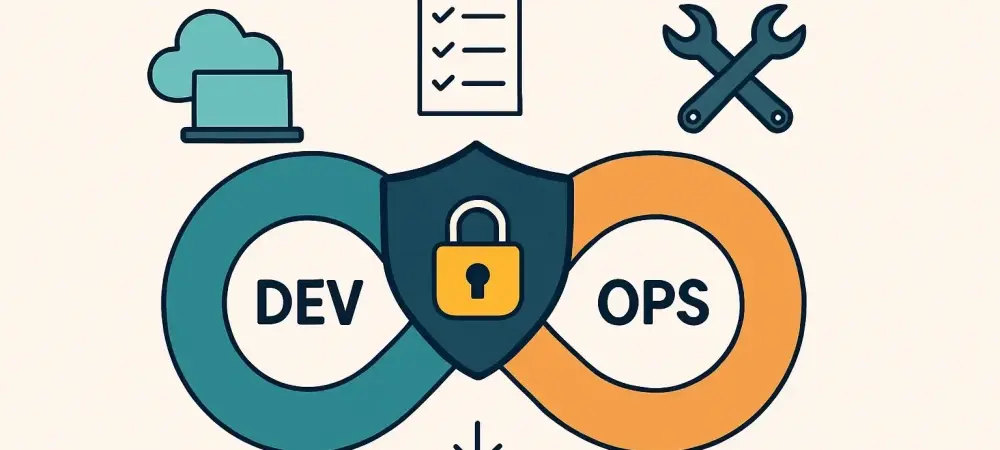
In an era where software development races at breakneck speed, the integration of artificial intelligence has turbocharged code creation, yet it has also exposed critical chokepoints in delivery pipelines that threaten to derail progress. AI tools have empowered developers to produce more code than ever before, but the downstream processes of testing, security, and deployment often lag behind, creating bottlenecks that compromise stability and efficiency. AI-driven DevSecOps automation emerges as a pivotal solution to these modern software engineering challenges, promising to streamline workflows and maintain throughput without sacrificing reliability. This analysis delves into the rise of AI in DevSecOps, explores real-world applications through innovative platforms, incorporates expert insights, and considers future prospects before offering a conclusive perspective on this transformative trend.
The Rise of AI in DevSecOps: A Growing Necessity
Industry Trends and Adoption Metrics
Recent data underscores the profound impact of AI on software development, as well as the urgent need for automation in DevSecOps. According to a prominent industry report similar to Google’s DORA findings from recent years, AI tools have driven a 25% surge in code output among developers. However, this increase comes at a cost, with delivery stability dropping by 7.2% and throughput declining by 1.5%, revealing a stark mismatch between creation and deployment capabilities. This imbalance highlights a critical gap that AI-driven automation seeks to bridge.
Beyond these metrics, enterprise adoption of AI in DevSecOps is accelerating rapidly. Market projections indicate that a significant percentage of organizations are integrating AI into their software delivery pipelines, with many expecting this trend to grow over the next few years. Such widespread engagement reflects a broader recognition that manual processes can no longer keep pace with the volume and complexity introduced by AI-generated code, pushing companies to seek intelligent solutions.
Real-World Challenges Driving the Trend
The challenges in software delivery pipelines are multifaceted, often rooted in inefficiencies during post-coding stages. Industry reports point to common bottlenecks such as prolonged testing cycles, inconsistent security checks, and delayed deployments, all of which hinder the ability to deliver software at scale. These pain points become even more pronounced as teams grapple with integrating diverse tools and managing sprawling infrastructures.
Moreover, the influx of AI-generated code exacerbates these issues by increasing the volume of material that must be processed through already strained systems. Without intelligent automation, organizations risk falling behind in competitive markets where speed and reliability are paramount. The demand for AI-driven DevSecOps solutions thus stems from a pressing need to harmonize the rapid pace of code creation with robust, efficient delivery mechanisms.
Case Study: Harness.io’s AI-Driven DevSecOps Innovation
Platform Overview and Key Features
A leading example of AI-driven DevSecOps automation can be seen in a cutting-edge platform introduced by Harness.io, which became generally available in recent months. This platform leverages a sophisticated knowledge graph of DevSecOps data, a workflow orchestration layer, and specialized AI agents designed to handle tasks such as pipeline building and security management. These agents break complex processes into manageable steps, ensuring precision and efficiency across the software lifecycle.
Looking ahead, Harness.io has announced plans to expand its offerings with features like release orchestration, financial operations optimization, and autonomous code maintenance. Such enhancements aim to address a broader spectrum of delivery challenges, embedding organizational policies into workflows and providing real-time solutions like automated build failure fixes. This expansive vision positions the platform as a comprehensive tool for modern software engineering needs.
Enterprise Adoption and Impact
The practical impact of Harness.io’s innovation is evident in its adoption by numerous enterprises. Reports indicate that a substantial number of its large customer base—specifically, 100 out of 1,000—are actively using the DevOps agent for production pipeline building. This adoption rate signals strong trust in the platform’s ability to deliver tangible results in high-stakes environments.
Customer experiences further illustrate the platform’s value. For instance, enterprises have utilized AI agents for troubleshooting continuous integration and delivery processes, resolving issues like build failures with unprecedented speed. Feedback from major companies highlights the platform’s role in modernizing legacy systems and enforcing responsible AI practices, demonstrating its versatility in addressing diverse organizational challenges.
Expert Insights on AI-Driven DevSecOps Automation
Industry analysts and IT professionals offer valuable perspectives on the potential of AI-driven DevSecOps automation. A notable analyst from a leading research firm has praised platforms like Harness.io for their structured workflow approach, noting that it aligns closely with the platform engineering movement’s emphasis on standardized, policy-driven processes. This alignment is seen as a key differentiator in a crowded market.
On the ground, IT professionals provide a balanced view of the trend. An application security engineer, speaking anonymously, acknowledged the benefits of centralized DevSecOps platforms in improving data accuracy and operational cohesion. However, concerns were raised about the risks of consolidating multiple functions into a single system, pointing to potential vulnerabilities if not managed with care.
A broader consensus among experts suggests that while AI agents hold transformative promise for automating specific tasks, over-reliance could introduce new complexities. Security remains a top concern, with many advocating for robust governance frameworks to accompany the adoption of such technologies. This cautious optimism reflects the dual nature of innovation—powerful yet demanding of careful oversight.
The Future of AI in DevSecOps: Opportunities and Challenges
Looking toward the horizon, AI-driven DevSecOps automation is poised for deeper integration across the software development lifecycle. Future advancements may see AI agents playing a central role in areas like machine learning operations and enhanced security protocols, offering real-time error correction and predictive insights that could revolutionize delivery pipelines.
The potential benefits are substantial, including heightened efficiency and the ability to address issues as they arise. Yet, challenges loom large, particularly around governance and the risk of over-centralization, which could create single points of failure. Striking a balance between innovation and control will be crucial to realizing the full potential of these technologies.
Beyond technical considerations, the implications for industries are vast. Policy-driven automation could pave the way for standardized, secure workflows, reshaping how organizations approach software delivery. In a competitive landscape with vendors like GitLab and Atlassian also innovating, the push for AI-driven solutions is likely to intensify, driving further advancements and setting new benchmarks for efficiency and reliability.
Conclusion: Embracing AI-Driven DevSecOps with Caution and Vision
Reflecting on this transformative trend, it becomes clear that AI-driven DevSecOps automation addresses an urgent need to resolve delivery bottlenecks, with pioneering platforms like Harness.io leading the charge. Expert validations underscore the technology’s potential, while future possibilities hint at even broader applications across the software lifecycle. As organizations navigate this landscape, the importance of balancing innovation with governance stands out as a critical lesson.
Moving forward, a strategic approach is deemed essential. Companies are encouraged to adopt AI solutions with a clear focus on integrating robust security measures and maintaining operational stability. By investing in frameworks that prioritize both efficiency and oversight, businesses can harness the power of AI-driven automation to transform their software delivery processes, ensuring they remain competitive in an ever-evolving digital arena.