

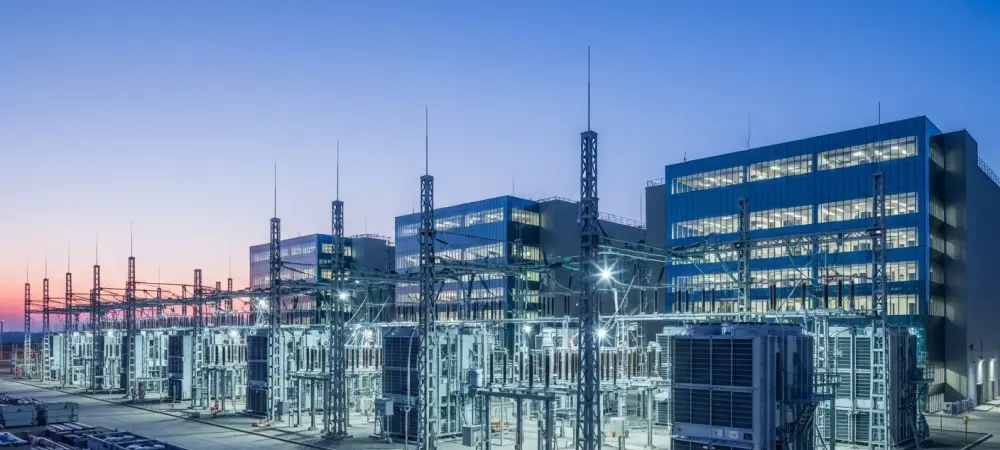
The global race to build digital intelligence has transformed from a software endeavor into a physical construction project that rivals the scale of the Industrial Revolution. As organizations pivot toward more robust hardware foundations, the focus has shifted from refining algorithms to securing the massive amounts of energy and silicon necessary to sustain the next generation of model training. This evolution represents a fundamental change in how technology companies operate, moving them into the realm of heavy industry and energy management as they pursue the elusive goal of high-level cognitive automation.
The Financial Scale and Physical Footprint of Modern AI
Exponential Growth in Compute Expenditures and Capacity
The shift in financial strategy is staggering as annual expenditures reach $50 billion this year, a sharp climb from the modest budgets seen less than a decade ago. This spending is part of a calculated $600 billion long-term roadmap intended to bridge the gap between current large language models and true artificial general intelligence by 2030. Capacity benchmarks have also moved into the stratosphere, with current training requirements pushing toward a 10-gigawatt power threshold to support the density of next-generation clusters.
Such massive capital allocation demonstrates a departure from traditional tech development cycles. Instead of incremental software updates, the industry now relies on brute-force scaling of physical resources. This hardware-heavy approach suggests that the primary competitive advantage in the current market is no longer just talent or code, but the sheer ability to finance and manage massive fleets of specialized processors.
Real-World Infrastructure Initiatives and Energy Logistics
Project Stargate serves as the primary example of these ambitions, focusing on massive hubs in Texas, New Mexico, and Michigan. These facilities operate on a scale previously reserved for entire metropolitan areas, with energy draws often equaling the peak consumption of New York City. To handle this burden, companies have begun constructing dedicated on-site gas plants to maintain operations without overloading aging national electrical grids. The transition to localized energy production marks a significant shift in corporate logistics. By bypassing public utilities, tech giants are effectively becoming independent energy providers to ensure their data centers remain operational. This move toward self-sufficiency is a direct response to the limitations of existing infrastructure, which was never designed to handle the localized, continuous demand required by modern AI clusters.
Industry Dynamics and the Strategic Funding Ecosystem
Navigating Complex Capital Alliances and Hardware Rebates
A complex “funding jigsaw” involving Amazon, Nvidia, and SoftBank now sustains the billion-dollar burn rates of the most prominent AI developers. These agreements often involve circular investment structures where funding is provided on the condition that it is spent on specific hardware or cloud services. This ecosystem ensures that capital flows back to the providers of silicon and infrastructure, creating a closed-loop economy that supports continuous expansion despite high operational costs.
Reliance on proprietary accelerators, such as Amazon’s Trainium and Nvidia’s Vera Rubin platform, further cements these alliances. By locking in access to specialized chips, developers can maintain a competitive edge over smaller rivals who lack the capital to secure similar hardware. These strategic pacts have become the lifeblood of the industry, allowing for rapid scaling while managing the immense financial risks associated with the hardware-first model.
Leadership Shifts and the Move Toward Flexible Compute Pacts
The departure of senior infrastructure executives for rivals like Meta highlights the intense competition for the talent capable of managing these massive projects. Such movements can disrupt organizational stability and lead to significant shifts in strategy as new leaders reevaluate existing plans. Recently, there has been a noticeable pivot away from rigid, international joint ventures in places like Norway and the UK toward more flexible, domestic agreements. Scaling back flagship projects, such as those in Abilene, Texas, reflects a growing preference for agility over fixed, long-term physical expansions. Companies are learning that while massive capacity is essential, the ability to pivot and adapt to changing hardware standards is equally important. This shift toward flexibility allows firms to avoid being trapped in outdated infrastructure as new, more efficient processing technologies emerge.
Future Implications and Economic Sustainability
The High-Stakes Arms Race Toward AGI
The pursuit of artificial general intelligence has created a high-stakes arms race where competitors like Anthropic are forced to match the infrastructure scale of the leaders. This competition drives the development of localized “compute clusters” that have broad implications for domestic energy policy and technological sovereignty. As these clusters grow, they become vital national assets, influencing everything from local job markets to national security priorities.
However, the pressure to monetize this immense compute power quickly is intense. With projected annual losses reaching $85 billion in the near term, the industry faces a critical challenge in proving that the intelligence generated by these machines can produce equivalent economic value. The focus is shifting toward finding practical applications that can justify the massive investments and provide a path toward long-term profitability.
Overcoming Bottlenecks and Long-Term Viability
The current burn rate presents significant risks, including the potential for financial instability if revenue targets are not met. To ensure long-term viability, the industry must look beyond physical hardware constraints and seek breakthroughs in algorithmic efficiency or alternative energy sources. Finding a sustainable path that balances unprecedented hardware bets with actual market demand remains the most critical task for the sector.
Technological evolution may eventually reduce the reliance on sheer physical scale, but for now, the industry remains tethered to massive energy and hardware requirements. Success will likely depend on the ability to integrate these massive compute resources into the broader economy in a way that generates tangible utility. Balancing the ambition of creating super-intelligence with the realities of fiscal and environmental sustainability is the defining challenge of the current era.
Conclusion and Strategic Summary
The scale of the current AI infrastructure expansion represented an unprecedented convergence of high finance and heavy industry. Stakeholders realized that the path to advanced intelligence required more than just innovative code; it demanded a fundamental restructuring of energy and computing systems. This hardware-dependent arms race forced a rethink of how technology companies managed their assets and partnerships.
Strategic moves toward domestic self-sufficiency and flexible compute agreements provided a template for navigating the complexities of modern scaling. Decision-makers prioritized agility and energy independence to mitigate the risks of a volatile global market. The transition from a software-centric model to a massive physical infrastructure bet proved that the future of intelligence was as much about power plants and silicon as it was about algorithms. These developments laid the groundwork for a more resilient and integrated approach to technological growth.