

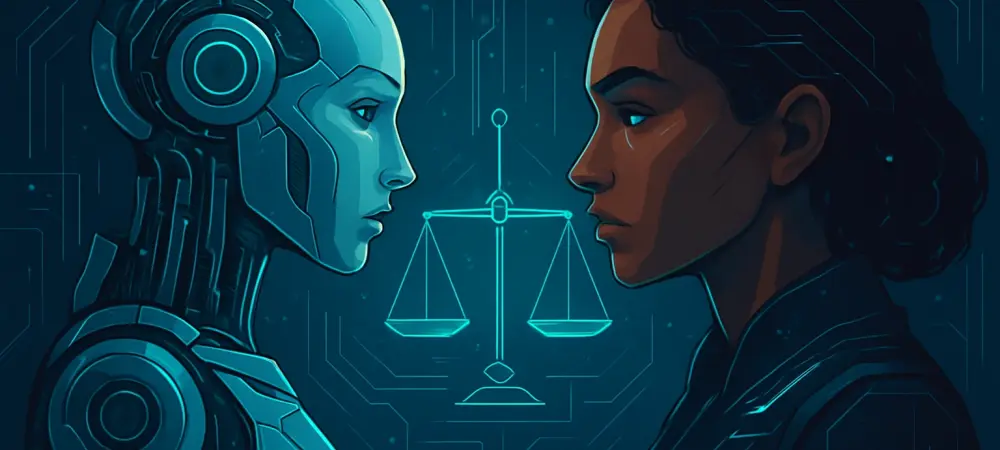
Imagine a world where a single algorithm decides whether a person gets a job, a loan, or even a fair trial, but the system consistently favors certain groups over others due to hidden biases, creating an unfair landscape of opportunity. This is not a distant dystopia; it’s a reality unfolding across the globe as artificial intelligence (AI) reshapes the fabric of society. AI’s rapid integration into daily life influences access to opportunities, personal autonomy, and societal equity, making it a pressing human rights concern. As technology advances, the stakes grow higher, with billions potentially locked out of progress or subjected to unfair treatment by unaccountable systems. This analysis delves into AI’s current impact on human rights, explores real-world examples, incorporates expert perspectives, examines future implications, and concludes with actionable steps to address this critical challenge.
The Scope of AI’s Human Rights Impact
Widening Inequalities and the Digital Divide
Disparities in access to AI technologies are stark and growing, creating a chasm between those who benefit from digital tools and those left behind. Reports indicate that one in three Americans lacks internet speeds sufficient for AI applications, while three in five people in African countries have no internet access at all, according to data from international digital inclusion studies. This gap, often called “algorithmic apartheid,” means that vast populations are excluded from transformative opportunities in education, employment, and financial services. The trend of unequal access is not slowing; as AI adoption accelerates in wealthier regions, the divide deepens, leaving entire communities disconnected from modern advancements.
The trajectory of AI growth shows no signs of leveling the playing field without deliberate intervention. Over the next few years, from 2025 to 2027, projections suggest that global investment in AI will continue to prioritize developed markets, further marginalizing under-resourced areas. This imbalance risks perpetuating cycles of poverty, as those without access miss out on critical tools for learning and economic mobility. The digital divide is not just a technological issue; it’s a fundamental barrier to equity, locking billions out of a future shaped by AI.
Real-World Consequences of AI Disparities
The human toll of AI disparities manifests in tangible, often heartbreaking ways across different contexts. In developed nations, algorithmic bias can determine life-altering outcomes, such as a loan application being denied due to a ZIP code tied to historically disadvantaged areas, even when an individual’s creditworthiness is sound. Such automated decisions, often opaque to users, reinforce systemic inequities under the guise of efficiency. The lack of recourse for those affected highlights how AI can silently undermine fairness in everyday transactions.
Contrast this with the plight of a child in rural Ghana, where the absence of basic internet infrastructure means no access to AI-driven educational platforms that could bridge learning gaps. Without the tools that peers in connected regions take for granted, entire generations risk being left behind in a world increasingly reliant on digital skills. This stark contrast between bias in advanced systems and total exclusion in under-resourced areas illustrates the dual nature of AI’s impact on human rights.
Moreover, specific instances of AI bias amplify existing social divides. Facial recognition technologies have been documented to misidentify individuals with darker skin tones at higher rates, leading to wrongful detentions or surveillance in some regions. Similarly, hiring algorithms have shown a tendency to favor candidates with names associated with certain demographics, perpetuating gender and racial inequities. These cases reveal how AI, far from being neutral, often mirrors and magnifies historical prejudices embedded in its design.
Expert Insights on AI and Human Rights
Thought leaders across technology, ethics, and human rights spheres consistently highlight AI’s paradoxical role as both an enabler of progress and a threat to fundamental freedoms. Many point to the erosion of personal agency, where constant reliance on algorithms for decisions—from navigation to entertainment—diminishes independent thought. Ethicists warn that this trend could redefine what it means to be human, as skills like problem-solving fade in the shadow of digital dependency.
Privacy and environmental concerns also feature prominently in expert discussions. Human rights advocates note that AI’s ability to infer intimate details from mundane data, such as shopping habits, challenges traditional notions of consent and autonomy. Meanwhile, industry analysts raise alarms about the environmental cost of AI infrastructure, with data centers consuming vast energy and water resources, often at the expense of vulnerable communities. These voices collectively call for greater transparency and governance to mitigate harms.
A growing consensus among experts underscores the inadequacy of existing human rights frameworks in addressing AI’s unique challenges. Predictive algorithms, for instance, can anticipate behavior with unsettling accuracy, raising questions about free will and personal choice. Many argue for the creation of updated, AI-specific rights protections that ensure accountability and safeguard dignity in an era of pervasive technology. This unified push for new standards reflects the urgency of redefining rights in a digital age.
Future Implications of AI on Human Dignity
Looking ahead, the increasing integration of AI into decision-making processes across sectors like healthcare, justice, and education poses significant risks to human agency. As algorithms dictate more outcomes, from medical diagnoses to sentencing recommendations, the potential for diminished personal control grows. This shift could fundamentally alter how individuals perceive their role in society, reducing authentic human interaction to mere data points in a system.
On the positive side, initiatives like Finland’s recognition of internet access as a basic right offer a blueprint for universal inclusion, potentially narrowing the digital divide if adopted globally. However, negative risks loom large, including deeper societal fractures as AI benefits remain concentrated among a privileged few. Environmental harms from AI infrastructure also threaten to exacerbate climate challenges, disproportionately impacting marginalized groups who reap little reward from the technology.
The broader implications of these trends touch on the concept of “intergenerational theft,” where short-term AI gains for some come at the long-term cost of others, particularly through environmental degradation. Across industries, unchecked AI deployment could widen economic gaps, while communities already on the margins face heightened exclusion. Balancing innovation with equity remains a critical concern as AI continues to shape the contours of human dignity.
Conclusion: Navigating AI’s Human Rights Challenge
Reflecting on the journey through AI’s complex impact, it becomes evident that this technology plays a dual role in widening inequalities, eroding personal agency, amplifying biases, and straining traditional rights frameworks. The pervasive influence of algorithms has already reshaped access to opportunities and personal freedoms, often at great cost to societal equity. Each case and expert view examined underscores the urgency of addressing these challenges before they entrench further divides.
Looking back, the path forward demands a multi-pronged approach rooted in actionable solutions. Stakeholders need to prioritize universal access to AI benefits through infrastructure investment and digital inclusion policies, ensuring no one is left behind. Simultaneously, robust governance, including transparency mandates and bias audits, must be implemented to curb harms and protect autonomy. On an individual level, embracing digital literacy and advocating for ethical standards emerges as vital steps to reclaim agency.
Beyond these measures, the global community must consider a unified framework, such as a “Global Bill of Rights” for the algorithmic age, to standardize protections across borders. Encouraging personal acts of “digital rebellion”—making unpredictable choices or supporting ethical tech—offers a grassroots way to push back against over-reliance on algorithms. These steps, taken collectively, hold the promise of steering AI toward a future that upholds human dignity rather than diminishes it.