

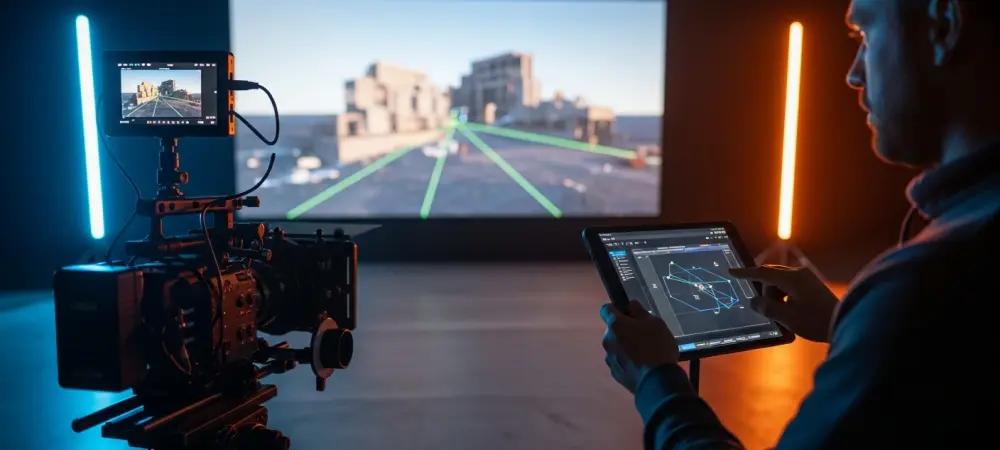
The traditional barriers that once separated ambitious storytellers from high-end animation have effectively dissolved into a digital atmosphere of accessible, high-performance generative models. In earlier eras, the creation of fluid, high-fidelity animation required a staggering investment of capital, specialized labor, and high-end hardware that remained out of reach for most independent creators. By 2026, the landscape has fundamentally changed, replacing months of meticulous frame-by-frame rendering with intuitive platforms that prioritize narrative intent over technical complexity. This democratization has empowered solo artists and small businesses to compete with major studios, producing visuals that possess the same polish and emotional resonance once reserved for big-budget productions. As the technology matures, the focus has shifted from the mere novelty of AI-generated imagery to the strategic application of these tools in professional pipelines. Creators no longer struggle with the mechanics of motion but instead dedicate their energy to world-building and creative direction.
Advanced Models and Specialized Functionality
Realistic Cinematography: Precision in Motion
At the peak of the current industry, platforms like Sora and Runway Gen-3 Alpha have redefined the expectations for visual consistency and cinematic control in generated video. Sora has maintained its status as a foundational benchmark by solving the historical problem of spatial awareness, ensuring that 3D environments remain stable even as complex camera movements traverse the scene. This level of architectural persistence allows filmmakers to generate seamless B-roll and atmospheric transitions that feel grounded in a physical reality rather than a flickering simulation. Meanwhile, Runway has bridged the gap between automated generation and traditional filmmaking with its highly praised Director Mode. This interface provides creators with granular authority over the speed, focus, and trajectory of the virtual lens, effectively turning the AI into a highly skilled camera operator. These advancements mean that the final output is no longer a random result but a deliberate piece of cinematography.
Complementing the cinematic tools are generators that have mastered the intricate nuances of physical interaction and human anatomy, which were long considered the greatest hurdles for machine learning models. Luma Dream Machine has carved out a specific niche by excelling in the rendering of complex textures and fluid dynamics, such as the natural flow of water or the way light interacts with thousands of individual strands of hair. This capability is essential for high-fidelity product commercials and nature documentaries where physical accuracy is non-negotiable. Simultaneously, Kling AI has gained significant traction for its ability to generate human characters that avoid the unsettling uncanny valley effect. By producing 1080p resolution videos with sophisticated facial expressions and choreographed limb movements, Kling allows for the creation of realistic digital actors. These models represent a significant leap forward in making AI characters feel alive and relatable, providing a level of detail that satisfies professional standards.
Creative Nuance: From Surrealism to Sound
While some developers chase absolute realism, others have pivoted toward specialized creative features that embrace the surreal and the whimsical to capture the attention of digital audiences. Pika 2.0 has become a staple for social media managers and digital artists due to its unique ability to distort the laws of physics within a generated scene. Users can easily instruct the model to melt, crush, or inflate objects, creating eye-catching visual effects that would be incredibly difficult to animate by hand in a traditional 3D suite. This flexibility allows for a rapid iterative process where a creator can test multiple surreal concepts in a single afternoon. By focusing on these playful interactions, the platform has managed to foster a distinct aesthetic that thrives in the fast-paced environment of short-form video platforms. The emphasis here is on engagement and novelty, proving that AI animation is as much about artistic exploration as it is about replicating the real world in a digital space.
For the music industry, the integration of visual content and sound has reached a new level of sophistication through platforms like Kaiber, which specializes in audio-reactive animation. This technology enables artists to upload a track and have the visual environment pulse, morph, and transform in perfect synchronization with the rhythmic and melodic elements of the music. Historically, achieving this level of cohesion required expensive rotoscoping or complex procedural shaders, but current models can generate these effects with minimal input. The result is a seamless blend of sight and sound that enhances the listener’s experience, making it an indispensable tool for independent musicians looking to create professional music videos on a limited budget. These animations do not just sit on top of the audio; they are born from it, reflecting the tone and energy of the composition through fluid, evolving imagery. This synergy between different media types highlights the role of AI as a powerful collaborative partner in the modern creative process.
Corporate Scaling: Communication and Efficiency
The corporate sector has experienced a parallel revolution centered on communication efficiency and the globalization of marketing materials through high-fidelity talking head avatars. HeyGen and DeepBrain AI lead this particular segment by offering hyper-realistic digital presenters that eliminate the need for costly video shoots and professional talent for every update. HeyGen’s most transformative feature is its ability to translate a single video script into dozens of languages while simultaneously adjusting the avatar’s lip movements to match the phonetics of the new audio. This capability allows global enterprises to deploy consistent messaging across multiple regions in a fraction of the time it once took to hire local voice actors and editors. These platforms turn a static text document into a dynamic video presentation that maintains a high degree of human warmth and professionalism. This shift in production strategy has turned video from a luxury marketing asset into a standard tool for daily internal and external communication.
Beyond realistic avatars, the world of 2D business animation has been revitalized by tools like Vyond Go, which brings the power of generative AI to the traditional explainer video format. By utilizing a simplified drag-and-drop interface combined with automated scene generation, companies can produce polished training modules and internal announcements without needing a dedicated design team. The AI assists by suggesting layouts, choosing appropriate character actions, and even generating background scenery based on the context of the script provided. This level of automation significantly lowers the barrier for human resources and educational departments to create engaging content that captures employee attention better than static emails or slide decks. The primary value proposition here is the radical improvement in return on investment, as the time required to move from a conceptual draft to a finished animation has been reduced by nearly eighty percent. This allows organizations to be much more agile in their internal communications and training strategies.
Industry Standards and Workflow Integration
Operational Trends: Cloud Architecture and Human Direction
An often-overlooked but vital component of the current landscape is the bridge between static imagery and dynamic content, exemplified by platforms such as Leonardo AI. Instead of focusing solely on full-scale narrative generation, these tools allow designers to add subtle, atmospheric motion to existing still images, such as moving clouds, flickering flames, or gentle water ripples. This technique is particularly effective for web designers and digital marketers who want to create high-quality cinemagraphs that draw the eye without overwhelming the viewer with a full video production. By providing a middle ground between a photo and a film, these tools offer a sophisticated way to enhance user interfaces and social media feeds. The ability to isolate specific parts of an image for motion gives creators precise control over where the viewer’s attention is directed. This focus on atmospheric movement serves as a reminder that animation does not always need to be complex to be effective; sometimes, the smallest movements carry the most impact.
The underlying infrastructure of these tools has shifted almost entirely to cloud-based environments, which has fundamentally changed the hardware requirements for modern production houses. Creators no longer need to invest in massive local server farms or high-end workstations to handle the heavy lifting of rendering, as the majority of the processing occurs on remote, specialized hardware. This transition has enabled a more mobile and distributed workforce, allowing animators to work from anywhere with a stable internet connection. However, despite the immense power of these automated systems, the industry consensus remains that human creativity is the most critical element in the production pipeline. AI acts as a sophisticated force multiplier that handles the tedious technical tasks, but it still requires a human director to provide the vision, tone, and narrative structure. The role of the animator has evolved from a technician focused on keyframes to a high-level creative lead who orchestrates various AI models to achieve a specific artistic goal.
Strategic Implementation: Navigating Rights and Complexity
Implementing these advanced tools into a professional workflow requires more than just technical knowledge; it demands a clear understanding of the evolving legal and practical landscape of AI-generated content. While many premium service tiers now offer commercial usage rights, the global standards for copyright and intellectual property remain in a state of adjustment. Creators must be diligent about the terms of service for each platform to ensure that their final products are legally protected and suitable for commercial distribution. Furthermore, there is a distinct learning curve in balancing production speed with visual complexity. While the generation of a short, simple clip can happen in a matter of minutes, the creation of a long-form, cohesive narrative still requires significant manual intervention and iterative prompting to maintain a consistent style throughout. Understanding these nuances is essential for any studio or independent artist looking to build a sustainable business model around these emerging technologies.
The rapid advancement of these generative platforms provided a new foundation for the creative industry, moving beyond simple automation toward a true collaborative partnership. Organizations that successfully integrated these tools into their daily operations saw a dramatic increase in content output and a significant reduction in overall production costs. The focus for professionals shifted toward refining their prompt engineering skills and developing a deeper understanding of cinematic theory to better guide the AI. It became clear that the most successful creators were those who treated the technology as a sophisticated instrument rather than a total replacement for the creative process. Moving forward, the most effective strategy for any creative professional involved staying current with platform updates while maintaining a strong focus on original storytelling. The transition to an AI-enhanced workflow was completed when the technology became invisible, leaving only the power of the narrative to define the success of a project. The path ahead required a commitment to continuous learning and a bold approach to visual experimentation.