

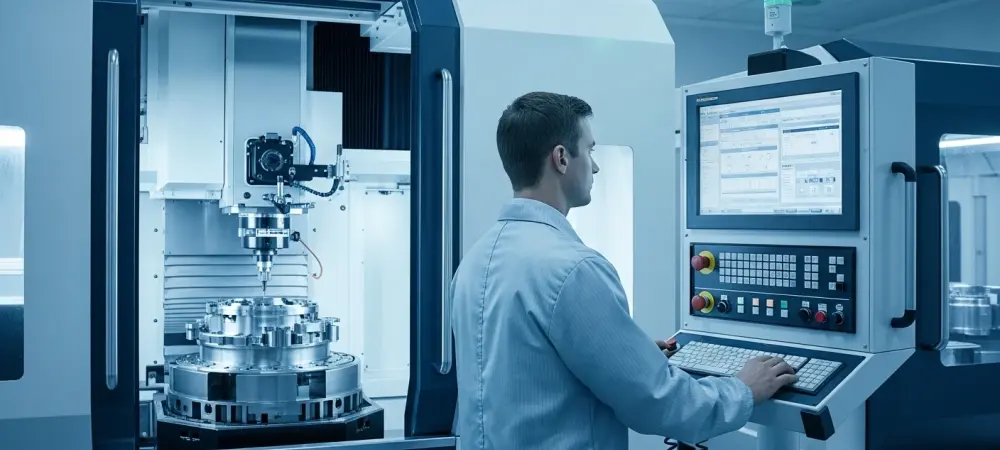
Modern precision engineering firms face a sophisticated landscape of digital threats where the theft of proprietary intellectual property can dismantle decades of competitive advantage in a single breach. As industrial systems become increasingly interconnected through the Industrial Internet of Things and complex global supply chains, the necessity for verified cybersecurity measures has transitioned from an optional advantage to a fundamental operational requirement. The Exact Group, a leader in precision engineering and composite finishing, recently underwent a rigorous independent audit to validate its internal security protocols against the most stringent national standards. This achievement reflects a commitment to safeguarding sensitive client data while ensuring that the physical production of high-tolerance components remains uninterrupted by malicious digital actors. By moving beyond self-assessment, the organization has demonstrated a proactive stance in an era when manufacturing remains a top target for ransomware.
Advanced Security in Precision Manufacturing
Bridging the Gap: The Value of External Verification
Unlike the basic level of Cyber Essentials, which relies on a self-assessment questionnaire, the Plus designation requires a hands-on technical verification conducted by a qualified external assessor. This process involves vulnerability scans of all internet-facing infrastructure and internal workstations to ensure that no known security gaps remain unpatched or exploited. For an engineering powerhouse like The Exact Group, this meant subjecting their internal networks to the same level of scrutiny that an actual attacker would apply during a reconnaissance phase. The audit confirms that the firm has successfully implemented the five key technical controls mandated by the scheme, including secure configuration, boundary firewalls, and user access management. This rigorous testing provides a level of assurance that cannot be matched by internal declarations alone, effectively closing the gap between perceived security and actual operational resilience against modern threats.
Strategic Advantages: Reliability in Critical Sectors
The demand for high-level cybersecurity certification is particularly acute in sectors such as aerospace, defense, and medical device manufacturing, where supply chain integrity is a matter of national security and public safety. Clients in these industries increasingly require their partners to provide verifiable proof of cyber hygiene before awarding long-term contracts or sharing sensitive technical specifications. By securing the Cyber Essentials Plus certification, The Exact Group has positioned itself as a preferred partner for top-tier contractors who must account for every link in their digital supply chain. This certification serves as a signal to the global market that the company treats data protection with the same level of obsession as its dimensional tolerances and material finishes. In an environment where a single vulnerability in a small supplier can jeopardize a multi-billion dollar project, having a certified secure infrastructure becomes a significant competitive differentiator that attracts high-value partnerships.
Operational Evolution: Future-Proofing Industrial Assets
The successful attainment of this certification established a new benchmark for how precision engineering firms managed their digital risks while pursuing aggressive growth throughout the 2026 fiscal year. Stakeholders recognized that maintaining this status required a permanent shift toward continuous monitoring and regular staff training to address the evolving tactics used by cybercriminals. Leadership teams focused on integrating security awareness into the daily culture of the workshop, ensuring that every technician and engineer understood their role in protecting the company’s digital assets. Moving forward, the firm prioritized the adoption of multi-factor authentication across all platforms and the implementation of automated threat detection systems to augment their existing defenses. These steps ensured that the organization remained resilient against emerging threats while providing a clear roadmap for other manufacturing entities seeking to secure their place within the complex and interconnected global industrial economy.