

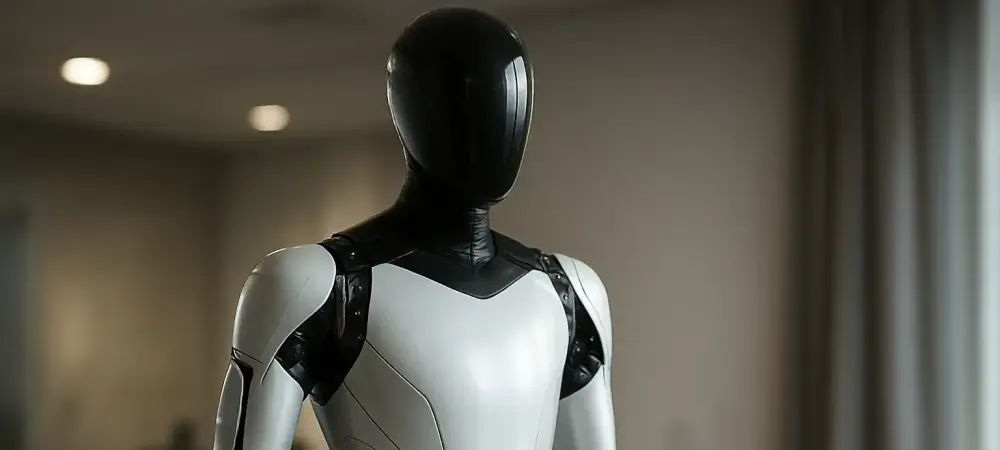
I’m thrilled to sit down with Dominic Jainy, a seasoned IT professional whose deep expertise in artificial intelligence, machine learning, and blockchain offers a unique perspective on cutting-edge tech innovations. Today, we’re diving into the world of humanoid robotics, specifically focusing on Tesla’s ambitious Optimus project. Our conversation explores the current state of the initiative, the hurdles it faces, Tesla’s place in the competitive landscape, and the broader implications of this technology for our future. Let’s get started!
Can you walk us through the latest developments with Tesla’s Optimus humanoid robot project and what the current status looks like?
From what’s been circulating in industry reports, Tesla’s Optimus project seems to be at a bit of a crossroads. While early designs and prototypes have generated a lot of buzz, production numbers are nowhere near the ambitious targets set for 2025 and 2026. I’ve heard only a few hundred units have been built so far, and there are whispers that production might even be paused due to various challenges. It’s a far cry from the thousands of units Tesla initially projected, which suggests some significant roadblocks in scaling up.
What do you think are the primary reasons behind Tesla missing their production goals for Optimus, especially with targets like 5,000 units in 2025?
I believe it’s a combination of technical and logistical hurdles. On the technical side, there are persistent issues with hardware, like battery life and the efficiency of joint motors, which are critical for a humanoid robot’s functionality. Then there’s the software integration challenge—getting the AI to sync seamlessly with the hardware for natural movement and behavior isn’t easy. Reports also point to specific design elements, like the robot’s hands, needing much longer development cycles. These aren’t quick fixes; they require iterative testing and innovation.
There have been reports of supply chain issues, particularly from Chinese manufacturers, impacting the Optimus project. Can you shed some light on how these challenges are affecting the timeline?
Absolutely, supply chain disruptions are a major bottleneck right now. From what I’ve gathered, Tesla is struggling to secure consistent access to certain components, which could range from specialized motors to advanced sensors. When you’re dealing with suppliers across the globe, any delay or quality issue cascades down the production line. This isn’t just about getting parts; it’s about ensuring they meet the high standards needed for a robot like Optimus. These hiccups are likely pushing back the entire timeline significantly.
How is Tesla approaching the technical challenges, such as improving battery life and energy optimization for Optimus?
Tesla is known for leveraging AI, and I suspect they’re heavily investing in AI-driven solutions to tackle issues like motion planning and energy efficiency. For instance, optimizing how the robot moves to conserve power could extend battery life. On the hardware front, they’re likely iterating on core components like transmission systems to reduce energy loss. It’s a dual approach—enhancing the physical build while using software to make smarter decisions. But these are complex problems, and breakthroughs don’t happen overnight.
With Tesla juggling multiple priorities like self-driving tech and declining EV sales, how do you think they’re managing to balance resources for the Optimus project?
That’s a great question, and honestly, it’s a tough balancing act. Tesla has a lot on its plate, and recent financial reports show EV sales aren’t performing as expected, which puts pressure on their bottom line. I wouldn’t be surprised if resources are being redirected to core areas like autonomous driving, which might have more immediate returns. Optimus, while visionary, is a long-term bet, and in times of financial strain, it’s often the futuristic projects that take a backseat. Prioritization likely hinges on what can stabilize revenue now versus what’s a gamble for the future.
When you look at the humanoid robot market, how does Tesla’s progress with Optimus compare to competitors like Boston Dynamics or other global players?
Tesla is somewhat behind the curve compared to a company like Boston Dynamics, which has years of experience and robots already demonstrating advanced mobility and dexterity. Foreign manufacturers, especially in Asia, are also making strides with practical applications. Tesla’s strength lies in its AI and automation expertise from the automotive side, which could give Optimus unique capabilities in learning and adaptation. However, they’re lagging in hardware refinement and real-world testing. It’s a mixed bag—they’ve got potential but need to catch up on execution.
Looking ahead, what is your forecast for the future of humanoid robotics, especially with projects like Optimus shaping the landscape?
I’m cautiously optimistic about humanoid robotics as a field. Projects like Optimus, even with delays, signal that we’re on the cusp of seeing these machines in everyday settings—think warehouses, caregiving, or even homes—within the next decade. The tech is close, but the challenges Tesla faces, like battery life and behavioral design, highlight that we’re still ironing out critical details. My forecast is that we’ll see gradual adoption in controlled environments first, with broader societal integration following as costs drop and reliability improves. It’s going to reshape work and social dynamics, but it’ll be a slow burn rather than a sudden revolution.