

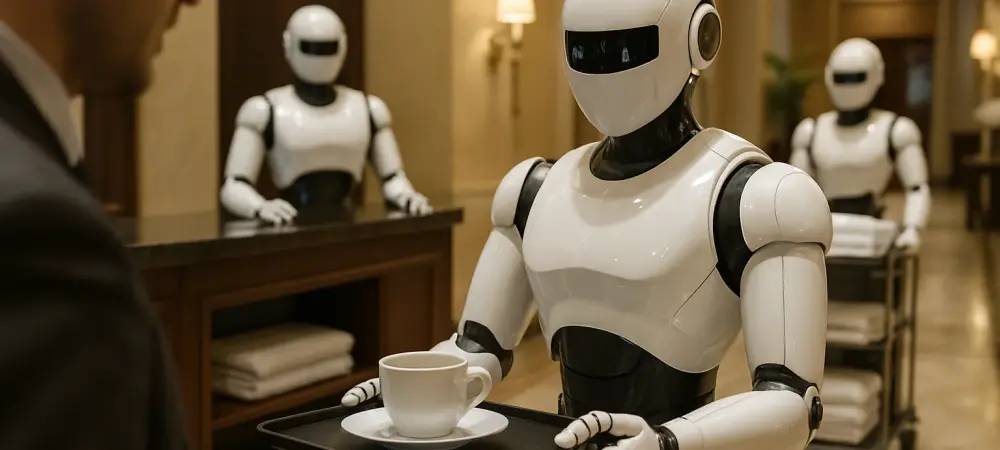
Imagine stepping into a hotel lobby where a sleek, friendly robot greets you by name, checks you in within seconds, and guides your luggage to your room—all without a single human interaction. This futuristic vision is rapidly becoming reality as robotic automation transforms the hospitality industry. In an era defined by technological innovation and evolving guest expectations, automation offers a powerful solution to persistent challenges like labor shortages and the demand for seamless, personalized experiences. Hotels worldwide are increasingly adopting robotic systems to streamline operations and elevate service quality. This analysis explores the rising trend of robotic automation in hospitality, delving into adoption patterns, real-world implementations, expert insights, and the future trajectory of this game-changing technology.
The Rise of Robotic Automation in Hospitality
Growth Trends and Adoption Statistics
Robotic automation, encompassing both Robotic Process Automation (RPA) for digital tasks and physical robots for tangible services, is experiencing significant growth in the hospitality sector. Recent industry reports indicate that investments in hotel automation technologies have surged by over 30% annually since 2025, reflecting a strong push toward efficiency and innovation. Market research highlights a global focus on automating repetitive processes such as check-ins, billing, and guest data management, with RPA adoption particularly prominent in mid-to-large hotel chains aiming to reduce operational costs.
A notable trend is the increasing deployment of service robots for roles like room delivery, concierge assistance, and even cleaning. These physical robots are no longer niche experiments but are becoming integral to operations, especially in regions with high labor costs or shortages. Analysts predict that by 2027, nearly half of all major hotels worldwide will incorporate some form of robotic automation, signaling a shift from optional tech to a competitive necessity in the industry.
Real-World Applications and Case Studies
Across the globe, hotels are putting robotic automation to practical use with impressive results. In China, several prominent hotel chains have integrated RPA to manage guest data and streamline reservation processes, cutting administrative errors by a significant margin. Meanwhile, in Pakistan, select properties have adopted robots for luggage handling, reducing wait times for guests and freeing staff to focus on personalized service. One standout example is the implementation of robotic concierges in luxury hotels, where these machines handle basic inquiries, provide directions, and even offer multilingual support. Another innovative application involves cleaning robots that autonomously sanitize rooms and public spaces, ensuring consistent hygiene standards while lowering labor expenses. These case studies demonstrate measurable benefits, such as faster service delivery and cost reductions, proving that automation can enhance both guest satisfaction and operational efficiency.
Expert Perspectives on Robotic Automation
Industry leaders and technology experts emphasize that successful adoption of robotic automation hinges on strategic planning and human engagement. Hotel executives stress the importance of aligning automation initiatives with specific business goals, such as improving turnaround times or enhancing data accuracy. Without clear objectives, investments in robotics risk becoming inefficient or misaligned with core priorities, potentially leading to wasted resources.
IT professionals in the hospitality sector highlight the challenge of resistance to change among staff, noting that transparent communication is essential to frame automation as a supportive tool rather than a job threat. Thought leaders also advocate for ongoing training to ensure employees can collaborate effectively with robotic systems. A consensus emerges that while the technology offers immense potential, its impact depends on how well it integrates into existing workflows and cultures, underscoring the need for a balanced, people-centric approach.
Additionally, experts caution against overlooking scalability and adaptability when selecting automation solutions. Choosing systems that can evolve with growing demands or new use cases prevents costly overhauls down the line. Their insights collectively reinforce that robotic automation is not just a technological upgrade but a transformative strategy requiring careful orchestration across all levels of an organization.
Future Outlook for Robotic Automation in Hospitality
Looking ahead, robotic automation in hospitality is poised for remarkable advancements, particularly with the integration of artificial intelligence. AI-driven RPA could enable highly personalized guest experiences, such as tailored room settings or customized recommendations based on past stays. More autonomous robots may also take on complex tasks like event coordination or full-scale room service, pushing the boundaries of what automation can achieve.
The potential benefits are substantial, including heightened efficiency, reduced operational costs, and improved guest satisfaction through faster, more consistent service. However, challenges remain, such as the high upfront costs of implementation, occasional technical malfunctions, and the need for cultural adaptation among both staff and guests. Addressing these hurdles will be critical to ensuring widespread acceptance and long-term success of robotic systems in diverse markets.
On a broader scale, automation could reshape labor dynamics within the industry, potentially reducing reliance on human workers for routine tasks while creating new roles in tech management and oversight. Guest expectations may also evolve, with travelers increasingly anticipating tech-savvy, seamless interactions as standard. While optimistic projections envision a hospitality landscape revolutionized by robotics, cautious scenarios warn of over-dependence on technology if human touchpoints are neglected, highlighting the importance of striking a balance.
Conclusion and Call to Action
Reflecting on the journey of robotic automation in hospitality, it becomes evident that its adoption has gained momentum through innovative applications and strategic foresight. Real-world successes showcase how hotels have leveraged robots to enhance efficiency, while expert validations underscore the value of planning and human integration. The exploration of future possibilities reveals both exciting opportunities and notable challenges that shape the discourse around this trend. Moving forward, hoteliers should prioritize a thoughtful approach, investing in scalable solutions that complement their unique operational needs. Embracing automation with an emphasis on staff training and guest-centric design can turn potential obstacles into stepping stones for progress. As technology continues to evolve, staying attuned to emerging advancements will be key to maintaining a competitive edge in this dynamic sector.