

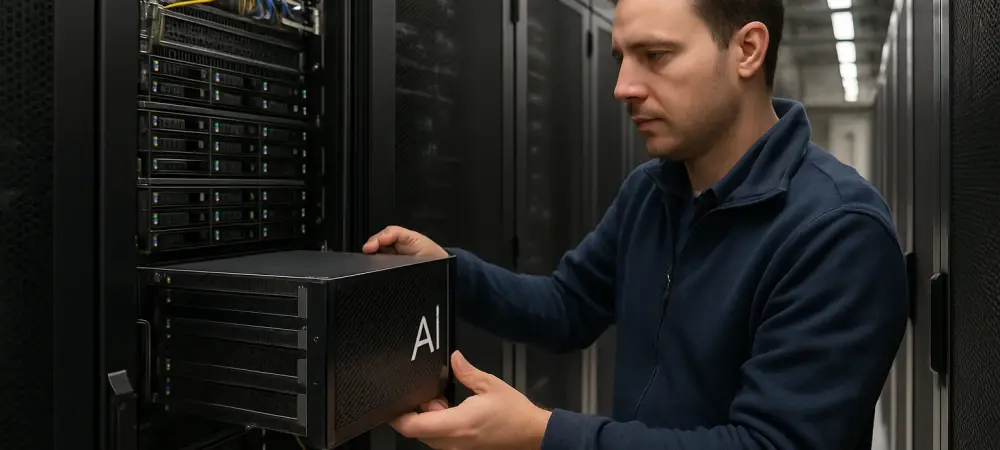
What does it take to power the digital revolution in a world where data is the new currency, and how can a nation transform futuristic dreams into everyday realities? Picture a country where smart cities, real-time analytics, and AI-driven solutions are no longer just visions but part of daily life, thanks to Telecom Argentina’s groundbreaking efforts. Telecom Argentina is making this vision tangible by transforming its data centers into cutting-edge hubs for AI and Edge computing. This ambitious overhaul isn’t just about keeping pace—it’s about leading the charge in a rapidly evolving tech landscape, where every millisecond counts.
The significance of this transformation cannot be overstated. As AI reshapes industries and Edge computing addresses the urgent need for localized data processing, Telecom Argentina’s strategy positions the company as a pioneer in Argentina’s technological evolution. With 16 data centers spread across the country, this initiative is a cornerstone for meeting the explosive demand for faster, more efficient computing power, setting a benchmark for the telecommunications industry at large.
Why Telecom Argentina Is Investing Heavily in AI and Edge Computing
The drive behind Telecom Argentina’s massive upgrade lies in the unrelenting pace of technological change. AI applications, from predictive analytics to personalized customer experiences, are creating unprecedented demand for robust infrastructure. Edge computing, which processes data closer to its source, is equally critical in reducing latency and easing bandwidth pressures. This dual focus on AI and Edge is a calculated move to stay ahead in a competitive market.
Beyond market trends, the company recognizes the transformative potential of these technologies for Argentina’s economy. By equipping data centers to handle AI workloads and localized processing, Telecom Argentina aims to support everything from enterprise innovation to public sector advancements like smart infrastructure. This isn’t merely an upgrade—it’s a vision for a connected, intelligent future.
The Rising Demand for Localized Data Power
Centralized data processing, once the norm, is buckling under the weight of modern demands. With data volumes skyrocketing—driven by IoT devices, streaming services, and AI algorithms—traditional systems struggle with latency and capacity issues. Edge computing offers a solution by bringing computation closer to users, a need that Telecom Argentina is addressing head-on with its network of facilities.
This shift is particularly urgent given AI’s appetite for real-time processing. Training complex models may occur in global hubs, but applying those models—known as inference—requires proximity to end-users for instant results. Telecom Argentina’s infrastructure upgrades are tailored to meet this challenge, ensuring that businesses and consumers alike benefit from seamless, high-speed data handling.
The global telecom industry mirrors this trend, with companies racing to adapt. For Telecom Argentina, the opportunity lies in leveraging its widespread presence across the nation to create a distributed network of Edge nodes, capable of supporting the next wave of digital innovation while addressing local needs.
A Deep Dive into Telecom Argentina’s Data Center Transformation
The scope of Telecom Argentina’s plan is nothing short of monumental. Each of its 16 data centers is being upgraded to a capacity of 10MW, a leap driven by growing customer demand. Five centers currently serve enterprise clients, while the remaining eleven bolster internal operations, creating a balanced foundation for both commercial and operational growth.
A prime example is the core facility in Pacheco, Buenos Aires, already nearing its 10MW capacity and hosting a major hyperscaler. Expansion is underway with a new module to accommodate further growth. Beyond capacity, these centers are evolving into Edge computing nodes, specifically designed to handle AI inference locally, slashing latency and boosting efficiency for critical applications.
AI integration is another cornerstone of this overhaul. Over 20 AI models are already in use or testing for functions like customer management, marketing, and network optimization. This deep embedding of AI not only enhances Telecom Argentina’s operations but also sets a precedent for broader adoption across key sectors, amplifying the impact of this transformation.
Expert Voices on the Edge and AI Revolution
During the Telecom SummIT event held in Buenos Aires on September 2, Julio Hutka, Telecom’s B2B business director, highlighted the pivotal role of proximity in AI processing. == “Training models often happens in international centers, but inference must be local for real-time effectiveness,” Hutka stated, emphasizing the strategic importance of Edge nodes.== His projection of a fivefold increase in computing capacity in the coming years, starting from 2025, underscores the scale of this shift.
Industry alignment adds weight to these efforts. Telecom Argentina’s collaboration with Google Cloud demonstrates a commitment to leveraging global expertise, ensuring that its infrastructure meets world-class standards. This partnership reflects a broader consensus among tech leaders that Edge computing, paired with advanced networks like 5G, forms the backbone of future digital ecosystems.
Experts also point to the synergy between AI and 5G as a game-changer. With Telecom Argentina rolling out its 5G network alongside data center upgrades, the company is creating a seamless environment for data-intensive, latency-sensitive applications, positioning itself as a leader in this transformative era.
Practical Steps for Businesses to Embrace AI and Edge Computing
For organizations inspired by Telecom Argentina’s journey, actionable strategies can pave the way for similar success. Start by evaluating existing data infrastructure for scalability—can it support the exponential growth of AI workloads? Investing in localized Edge nodes offers a practical solution to minimize delays in real-time applications, a lesson drawn from Telecom’s approach.
Complementing this, integrating technologies like 5G can ensure smooth data flow across networks. Telecom Argentina’s dual focus on 5G deployment and data center modernization provides a blueprint for creating a robust tech ecosystem. Businesses should prioritize such synergies to future-proof their operations against rising demands.
Finally, strategic partnerships with established tech providers can accelerate progress. Emulating Telecom’s alliance with Google Cloud, companies can access cutting-edge tools and expertise. Embedding AI into high-impact areas like customer service or operational efficiency further drives innovation, offering a clear path to thrive in an AI-driven world.
Reflecting on a Transformative Journey
Looking back, Telecom Argentina’s bold steps to upgrade its data centers marked a defining moment in Argentina’s tech landscape. The focus on AI and Edge computing addressed immediate needs for speed and capacity while laying groundwork for sustained innovation. Each milestone, from capacity expansions to strategic partnerships, contributed to a stronger, more connected digital framework.
Moving forward, businesses and policymakers alike should consider how localized computing can unlock new opportunities. Exploring investments in Edge infrastructure and fostering collaborations with tech leaders could amplify economic growth. The path Telecom Argentina carved offers valuable lessons for navigating the complexities of a data-driven age.
Additionally, attention to emerging technologies remains crucial. As AI continues to evolve, adapting infrastructure proactively will be key to staying competitive. The journey that unfolded serves as a reminder that bold, strategic moves today can shape a resilient tomorrow.