

Overview of the Data Center Industry
The data center industry stands as the backbone of the digital economy, supporting an ever-expanding array of services from cloud computing to artificial intelligence. With global data consumption skyrocketing, the demand for robust infrastructure has never been higher, as businesses and consumers alike rely on seamless connectivity and storage. This sector, valued at billions annually, is driven by the need for scalability and speed, positioning data centers as critical assets in an increasingly interconnected world.
Key players like T5 Data Centers are at the forefront, navigating a competitive landscape alongside giants such as Equinix and Digital Realty. The surge in AI applications and remote work has intensified the need for high-capacity facilities, pushing companies to innovate in areas like energy efficiency and advanced cooling technologies. These advancements are vital to manage the immense power requirements and heat output of modern servers, ensuring operational sustainability.
Geographic expansion into untapped markets also plays a pivotal role in the industry’s growth strategy. As major hubs become saturated, developers are eyeing regions with lower costs and available resources, balancing proximity to users with economic feasibility. This trend underscores the strategic importance of diversifying locations to meet both current and future demands for data processing and storage.
T5 Data Centers’ Nampa Project: Details and Significance
Project Specifications and Phased Development
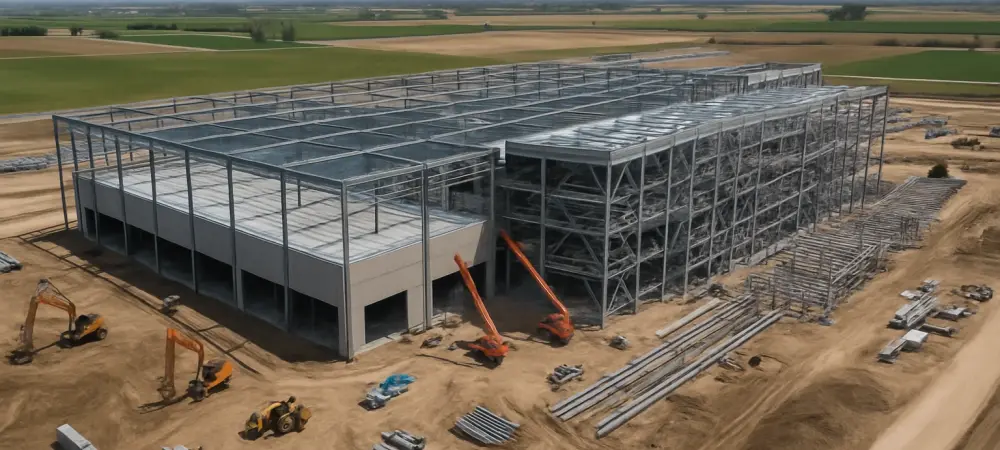
T5 Data Centers has embarked on an ambitious project in Nampa, Idaho, repurposing an existing 80,000-square-foot industrial building at 8300 Birch Lane within the Park 84 industrial site. This single-story structure, previously zoned for light industrial use, will be transformed into a state-of-the-art data center designed for a single user. The initiative has already gained approval from the Nampa Planning and Zoning Commission, marking a key milestone in its development timeline.
The project is structured in five distinct phases, allowing for gradual scaling to match demand and resource availability. Initially, the facility will require 2.5 megawatts of power, with plans to ramp up to 8.25 megawatts over the next two to five years. Air-cooling technology will be employed to manage thermal output efficiently, while Idaho Power has confirmed the availability of electricity to support the center’s operations from day one.
This phased approach not only mitigates upfront costs but also ensures adaptability to technological advancements and market needs. Such a design reflects a prudent strategy in an industry where overbuilding can lead to underutilized capacity. The confirmation of power supply further solidifies the project’s feasibility in a region not traditionally known for large-scale data infrastructure.
Economic and Regional Impact
The economic implications of T5’s Nampa facility are modest yet meaningful for the local community. Once operational, the data center is expected to create 11 full-time positions, primarily for technicians and security personnel. While this number may seem small compared to larger markets, it represents a valuable addition to employment opportunities in a city like Nampa, located about 20 miles west of Boise.
Beyond job creation, the project signals Idaho’s emerging status as a viable location for data center investments. With only nine existing facilities in the state, as reported by industry trackers, the market is far from saturated, offering room for growth. T5’s entry aligns with its national strategy of targeting build-to-suit projects across diverse states, complementing its portfolio in regions like Illinois, Georgia, and Texas.
This development also mirrors a broader trend of interest from major industry players in Idaho, including Meta and Diode Ventures, which have initiated projects in the state. The influx of such investments highlights the region’s appeal due to factors like lower operational costs and access to power resources. For T5, this move strengthens its footprint in less conventional markets, potentially paving the way for further regional expansion.
Challenges in Expanding to Emerging Markets
Developing data centers in areas with limited prior infrastructure, such as Idaho, presents a unique set of obstacles. Logistical challenges, including the transportation of specialized equipment and the availability of skilled labor, can complicate construction timelines and increase costs. These issues are particularly pronounced in smaller markets where supply chains and expertise may not be as readily accessible as in established hubs.
Resource allocation and consistent power supply pose additional hurdles as demand for data services grows. Ensuring a stable energy grid to support scaling operations is critical, especially in regions unaccustomed to the high consumption rates of data centers. Community impact must also be considered, as local residents may express concerns over noise, traffic, or environmental effects, necessitating careful stakeholder engagement.
To address these challenges, strategies like phased development, as adopted by T5, allow for incremental investment and adjustment based on real-time feedback and needs. Partnerships with local utilities, such as Idaho Power, are equally essential to secure reliable electricity and mitigate risks of outages. These collaborative efforts can help bridge infrastructure gaps, ensuring long-term viability in emerging markets.
Regulatory and Compliance Considerations
Navigating the regulatory landscape is a fundamental aspect of data center development, particularly in new regions. In Nampa, T5 secured a conditional use permit from the local Planning and Zoning Commission, a critical step to repurpose the industrial site for its intended use. Such approvals ensure that projects align with zoning laws and community planning objectives, minimizing potential conflicts.
Compliance with state and local regulations extends beyond zoning to encompass energy efficiency standards and environmental guidelines. Data centers, known for their substantial power usage, face increasing scrutiny to adopt sustainable practices in design and operation. T5’s incorporation of air-cooling technology and focus on low-resource demand demonstrate a commitment to meeting these expectations, reducing both costs and ecological footprint.
Adherence to such standards not only facilitates smoother project execution but also enhances corporate reputation in an era where sustainability is a key metric for stakeholders. By aligning with regulatory frameworks, companies like T5 can set a precedent for responsible growth in underrepresented areas. This balance of compliance and innovation is crucial for maintaining operational licenses and public trust over time.
Future Outlook for Data Centers in Idaho and Beyond
Idaho’s data center market holds significant potential for growth, fueled by increasing interest from industry leaders and the strategic positioning of projects like T5’s Nampa facility. The state’s relatively low number of existing centers offers a blank slate for developers seeking to capitalize on cost advantages and available land. As digital demand continues to rise, this region could emerge as a secondary hub for data infrastructure in the western United States.
Broader industry trends point toward a shift in focus to AI and high-performance computing, areas where T5 is already making strides through partnerships like its collaboration with Bitfarms in Pennsylvania. This pivot to advanced computing applications reflects the evolving needs of clients who require greater processing power for cutting-edge technologies. Such developments suggest that future facilities will need to prioritize flexibility in design to accommodate rapid shifts in tech requirements.
Several factors will shape the trajectory of this sector, including innovations in edge computing to bring data closer to end-users and economic conditions influencing investment in new markets. The balance between technological progress and regional readiness will determine how quickly areas like Idaho can scale their digital presence. Monitoring these dynamics will be essential for stakeholders aiming to stay ahead in a fast-moving industry.
Conclusion and Strategic Insights
Reflecting on T5 Data Centers’ initiative in Nampa, Idaho, the project stands as a calculated foray into an emerging market, blending efficient resource management with growth aspirations. It highlights the delicate balance between leveraging untapped potential and addressing the inherent challenges of underdeveloped regions. The modest job creation and phased development approach underscore a pragmatic entry into a market with room for expansion.
Looking ahead, stakeholders are encouraged to prioritize partnerships with local entities to streamline infrastructure challenges and ensure sustainable power solutions. Investing in community engagement emerges as a vital step to mitigate resistance and foster long-term acceptance of such projects. Additionally, keeping a close watch on advancements in energy-efficient technologies offers a pathway to align with evolving regulatory demands.
For industry players and investors, the Nampa project serves as a case study in the merits of exploring smaller markets, provided strategic planning underpins each move. Emphasizing adaptability in facility design to support future tech trends, such as AI and edge computing, becomes a recommended focus. These actionable insights aim to guide future endeavors, ensuring that expansion into new territories delivers both economic value and operational success.