

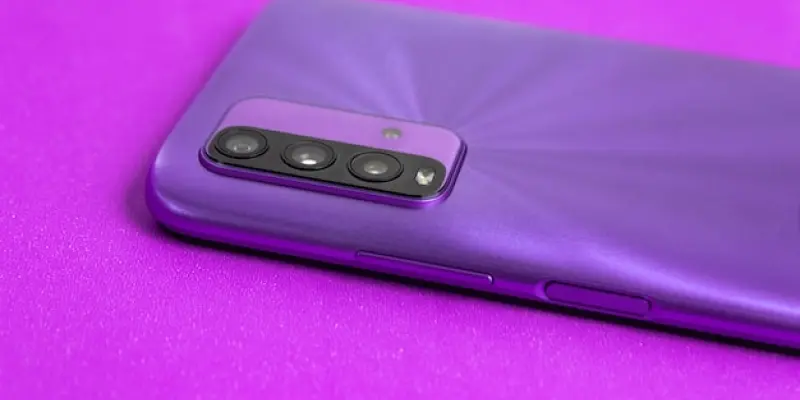
The tech world is buzzing with excitement as details emerge about the upcoming launch of the Sony Xperia 1 VII, poised to build on the success of its predecessor, the Xperia 1 VI. This new flagship smartphone promises to balance innovation with familiar features while delivering a refined user experience. Notably, the Xperia 1 VII is set to be among the first Sony phones to incorporate the Snapdragon 8 Elite chipset, marking a significant leap in performance capabilities. Meanwhile, the phone retains the distinct vertical alignment of a triple rear camera setup, an enduring design feature that Sony enthusiasts have come to appreciate. As these enticing glimpses surface, consumer anticipation is further piqued by the introduction of a novel range of color options, including black, navy green, and purple, offering a fresh aesthetic.
Design and Features
Sony’s decision to evolve the design with the Xperia 1 VII emphasizes both continuity and innovation. The device maintains the 6.5-inch screen size of its predecessor while sticking to the large bezel aesthetic, a choice that nods to traditional styles even as it embraces new technology. Notably, the Xperia 1 VII grows slightly in stature, now measuring 165mm in height and 74mm in width. This modest increase suggests a delicate balance between providing a more substantial feel in the hand while maintaining ease of use and portability. The perseverance of the headphone jack in this model underscores Sony’s commitment to offering practical features that continue to meet user demands. Indeed, the retention of this often-phased-out feature distinguishes the Xperia 1 VII in an era where wireless options are largely favored, giving consumers the flexibility they have come to expect from Sony devices.
Performance Enhancements
Under the hood, the Xperia 1 VII marks a significant advancement by incorporating one of the first Snapdragon 8 Elite chipsets, a next-generation processor that’s expected to notably boost the smartphone’s performance. This chipset promises enhanced efficiency for multitasking and gaming, making it a substantial upgrade from the Snapdragon 8 Gen 3 SoC used in the Xperia 1 VI from last year. In addition to this, the Xperia 1 VII is equipped with a robust 5,000mAh battery and supports 30W fast charging. This combination ensures users can enjoy prolonged use and quick recharges, catering perfectly to the demands of mobile users today.
The Xperia 1 VII represents a thoughtful blend of continuity and enhancement, depicting more of an evolution than a complete redesign. By introducing the Snapdragon 8 Elite chipset while retaining key features appreciated by consumers, Sony highlights its dedication to innovation grounded in user satisfaction. With new colors and refined design elements, the Xperia 1 VII is set to offer something both new and comfortably familiar, aiming to solidify Sony’s position in the competitive tech landscape.