

The rapid transition from power-hungry desktop processors to sleek, efficient silicon has finally reached a critical tipping point where fanless mobility no longer implies a compromise in professional performance. The Snapdragon X2 Plus chipset serves as the cornerstone of this evolution, powering a second-generation Surface lineup that prioritizes silent operation and intensive on-device artificial intelligence integration. This shift represents a decisive move away from the bulky, heat-prone legacy of traditional x86 systems, proving that architectural efficiency can sustain modern professional workloads without the need for active cooling.
The Shift Toward High-Efficiency ARM Computing
The Snapdragon X2 Plus chipset enables a fanless, passively cooled architecture that redefines the standard for portable workstations in the current year. By eliminating mechanical cooling, Microsoft has crafted devices that are thinner and lighter without sacrificing the thermal headroom required for sustained performance. This design philosophy positions ARM-based hardware as a superior alternative for users who require longevity and silence in mobile environments.
Furthermore, this transition reflects a broader change in the technological landscape, where power-per-watt is now more critical than raw clock speed. The ability to perform complex tasks without a cooling fan allows for a more streamlined user experience, reducing both acoustic noise and mechanical failure points. This move effectively challenges the dominance of traditional processors in the premium laptop sector.
Technical Foundations of the Second-Generation Surface Lineup
Microsoft has focused on a specialized integration between its operating system and the Snapdragon silicon to maximize hardware utility and power efficiency. This synergy ensures that every internal component is optimized for the specific demands of the modern Windows-on-ARM ecosystem.
The Snapdragon X2 Plus Chipset and 80 TOPS NPU
At the core of these machines is a 6-core CPU and an 80 TOPS Neural Processing Unit, which manages demanding on-device AI tasks with ease. This NPU is crucial because it offloads complex computational logic from the main processor, allowing for cooler operation and significantly extended battery life. Local AI inferencing also provides a level of data security and speed that cloud-reliant competitors cannot currently match.
Surface Pro 12-inch: Portability and AI-Driven Ink Canvas
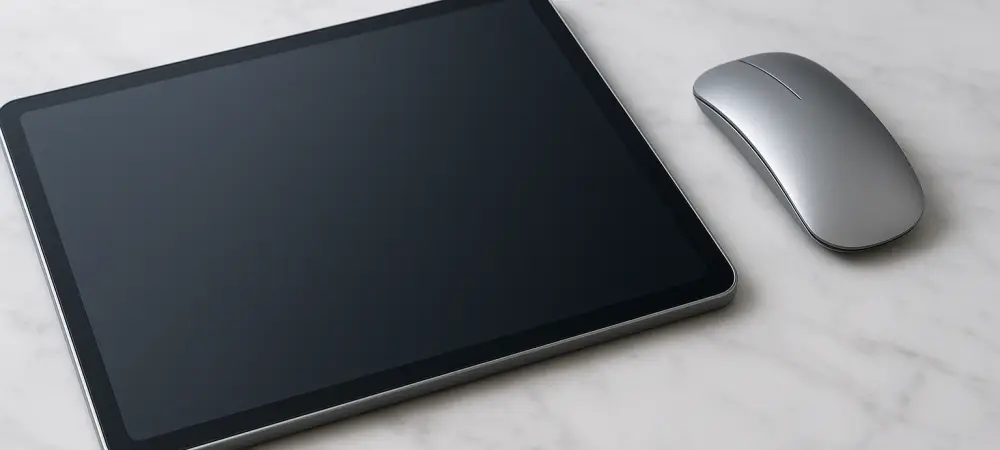
The 1.5 lb Surface Pro tablet features a 90Hz PixelSense LCD, delivering a fluid visual experience that enhances its role as a versatile creative tool. The introduction of Ink Canvas leverages the 80 TOPS NPU to facilitate real-time sketch-to-text conversion, making digital handwriting as functional as typed input. This model offers a 17% productivity boost over previous iterations while nearly doubling local AI performance.
Surface Laptop 13-inch: Thermal Management and Battery Endurance
The Surface Laptop 13-inch prioritizes endurance, boasting a fanless aluminum chassis and a 22.5-hour video playback rating. This extreme efficiency is a result of the Snapdragon X2 Plus’s sophisticated power management, which keeps the device cool during long work sessions. While the laptop retains a high-quality haptic trackpad, it balances its premium features with a focus on unmatched mobile longevity.
Redesigned Surface Mouse and Bluetooth 6.0 Integration
The new Surface Mouse introduces haptic feedback mechanisms that provide tactile confirmation for on-screen interactions. It also features a dedicated Copilot button for instant AI access and uses Bluetooth 6.0 for rapid multi-device pairing. These features create a cohesive experience where peripherals feel as modern and responsive as the primary hardware.
Emerging Trends in Silent, AI-First Workstations
The industry is moving toward silent, AI-first workstations that favor local processing over external cloud services to ensure user privacy. This trend eliminates the latency associated with remote servers and ensures that users can maintain high productivity even in low-connectivity situations. By processing data locally, these devices also reduce the energy overhead associated with constant data transmission.
Real-World Applications and Professional Workflows
For mobile professionals, the Snapdragon X2 platform provides a robust environment for secure data processing and multi-monitor office setups. The ability to drive dual 4K monitors from a 1.5 lb tablet allows for a seamless transition between mobile fieldwork and high-density desk work. Digital artistry also finds a new home here, as the latency-free stylus input enables more natural creative workflows.
Technical Hurdles and Market Adoption Challenges
Despite the architectural gains, the 60Hz refresh rate on the laptop model feels like a missed opportunity compared to the tablet’s 90Hz panel. Additionally, while the ARM ecosystem has improved significantly, some niche professional software still requires better emulation or native builds to reach peak efficiency. These software hurdles remain the final barrier to universal adoption among specialized power users.
The Future of the Surface Ecosystem and Snapdragon Silicon
Upcoming iterations of Snapdragon silicon will likely push NPU efficiency even further, potentially bridging the gap between ultra-portable tablets and high-end workstations. The long-term impact on portable computing will be a total departure from traditional cooling methods, leading to even more compact and powerful designs. As software catch up to hardware, the reliance on x86 architecture will continue to diminish.
Final Assessment of the Snapdragon X2 Surface Hardware
The Snapdragon X2 Surface hardware established a significant milestone by demonstrating that high-efficiency ARM computing could handle professional-grade AI tasks. Designers emphasized silence and battery longevity, which effectively shifted the focus of the Windows marketplace toward more sustainable, local processing. This strategy provided a clear path for future hardware to prioritize specialized silicon over raw, unoptimized clock speeds. Moving forward, the industry should focus on expanding native app support to ensure that the hardware’s 80 TOPS capacity is fully utilized in every professional application. The successful marriage of haptic peripherals and fanless architecture proved that the future of computing favored quiet power.