

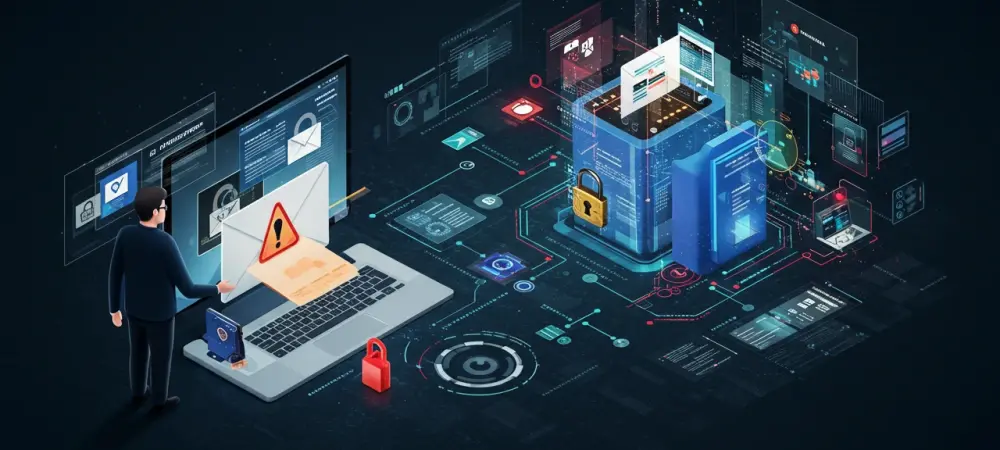
The modern digital age, while offering convenience and connectivity, is rife with cybersecurity challenges. Among these, smishing—SMS-based phishing—poses a significant threat. Exploiting people’s trust in their mobile devices, scammers use smishing as a powerful tool, pretending to be legitimate sources to dupe unsuspecting victims. This detailed review examines the technological apparatus designed to counter these threats and evaluates their effectiveness amid rising incidents.
Exploring Smishing: The Underlying Technology
Smishing, a portmanteau of SMS and phishing, leverages text messaging to perpetrate fraud. These attacks mimic authentic communications to deceive recipients into divulging sensitive information. The technology driving smishing scams is sophisticated, utilizing professional web design and authentic-looking SSL certificates. These details lend apparent legitimacy to fraudulent websites, enhancing their ability to harvest personal details, such as banking credentials. Smishing is notably prevalent in environments already experiencing cyber vulnerabilities, as evidenced by recent scams targeting Glasgow residents with counterfeit parking fine notifications.
Technological Arsenal Against Smishing
Strengthening Awareness and Educational Initiatives
A crucial line of defense against smishing is public education. Awareness initiatives lay the groundwork for understanding phishing risks and equip individuals to identify deceitful messages. Campaigns disseminated through various media channels aim to bolster this awareness. These efforts emphasize vigilance and encourage the public to critically assess unsolicited electronic messages, fostering a mindset of skepticism, especially concerning requests for personal data.
Advanced Tools and Technology Solutions
Combating smishing also involves deploying technology solutions that offer early detection and prevention capabilities. Machine learning algorithms integrated into spam filters play a pivotal role in discerning phishing attempts. Such algorithms continuously improve their detection accuracy by analyzing message patterns and behaviors linked to scam messages. These tools significantly mitigate risk by flagging potentially malicious communications before they reach individuals.
Regulatory Framework and Policy Enforcement
Effective countermeasures require robust regulatory frameworks and cohesive policy enforcement. Governmental bodies, in collaboration with industry stakeholders, implement regulations aimed at curbing SMS phishing activities. These policies not only sanction punitive measures against perpetrators but also establish protocols for telecom and internet providers to follow, enhancing overall security. Coordinated efforts ensure better compliance across sectors, fostering a unified stance against smishing threats.
Recent Advancements and Trends
The landscape of countermeasures has evolved with the advent of newer technologies and strategies designed to outpace smishing threats. AI-driven analytics and real-time monitoring systems have emerged as cutting-edge tools offering dynamic protection. Such innovations adapt to the evolving tactics of cybercriminals, continually recalibrating detection methods. This proactive approach is instrumental in staying ahead in the realm of cybersecurity.
Real-World Impacts: Successful Implementations
Certain sectors have successfully integrated these countermeasures, setting benchmarks for effective defense against smishing. Organizations harnessing comprehensive education programs, fortified technology solutions, and rigorous policy enforcement have seen tangible improvements in their cybersecurity postures. Case studies reveal reduced incidences of data breaches and enhanced public confidence, underscoring the value of holistic defense mechanisms.
Addressing Challenges and Potential Roadblocks
Despite advancements, significant challenges persist in the realm of smishing defense. Technical barriers often hinder seamless implementation of countermeasures, exacerbated by varied compliance across regions. Moreover, regulatory adaptations struggle to keep pace with rapidly changing cyber tactics. Continued innovation and collaboration among stakeholders are crucial to overcoming these hurdles and ensuring sustained protection against emerging threats.
Looking Ahead: The Future of Smishing Countermeasures
Forecasts point toward burgeoning developments in smishing prevention technology. Emphasis lies on refining machine learning capabilities and enhancing cross-border regulatory cooperation. Such initiatives are poised to reshape the cybersecurity landscape, delivering more resilient defenses against SMS phishing. Long-term impacts include fortified data protection strategies and renewed public trust in digital communications.
Conclusion: Evaluating Smishing Countermeasures
The review underscored smishing’s significant threat while evaluating its countermeasures, providing insights into real-world applications and identifying challenges that remain. Efforts in public education, technological innovations, and policy enforcement have progressively built an effective defense against these threats. Moving forward, ongoing advancements promise to further strengthen cybersecurity strategies, enhancing preparedness against evolving phishing tactics.