

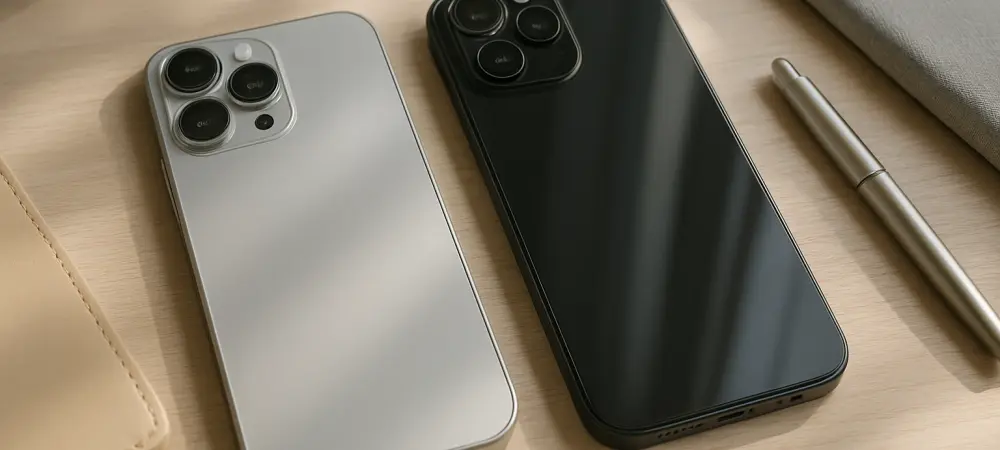
The traditional boundaries of mobile design have dissolved into a high-stakes competition where physical flexibility is no longer just a metaphor but a literal hardware requirement for high-end success. Following recent retail cycles such as Prime Big Deal Days, the smartphone industry has entered a phase of intense pricing volatility that challenges traditional notions of value. This report analyzes the current state of the premium mobile sector, focusing on how dominant manufacturers are repositioning their most advanced hardware to capture diverse consumer segments. By evaluating the balance between experimental foldable designs and refined traditional flagships, the following sections provide a clear map of the technological and financial shifts defining the present landscape.
The Evolution of the High-End Mobile Landscape
The current smartphone market represents a definitive move away from the incremental updates that characterized the early part of the decade. As manufacturers seek to justify premium price points, the focus has shifted toward transformative user experiences, specifically those enabled by flexible display technology and sophisticated artificial intelligence. This evolution is not merely about aesthetic change; it is a response to a saturated market where standard designs have reached a performance plateau. Consequently, the industry is witnessing a strategic divergence where some brands double down on luxury status while others prioritize aggressive price corrections to achieve mass-market penetration.
Historical Context and the Shift Toward New Form Factors
Understanding the current environment requires acknowledging the transition from the “slab” era to the current era of versatile form factors. For years, the industry relied on consistent yearly improvements to camera sensors and processor speeds, yet these changes eventually failed to spark significant upgrade cycles. The introduction of foldable screens provided the necessary disruption, moving from fragile prototypes to the durable, high-performance devices seen today. This shift was catalyzed by refinements in hinge engineering and display resilience, allowing foldables to transition from experimental curiosities to viable daily drivers. These foundational changes have set the stage for a market where the primary question is no longer technical feasibility, but rather the optimization of cost and utility.
Navigating the Foldable Frontier: Value vs. Luxury
The Dominance and Price Fluctuations of Samsung’s Latest Foldables
Samsung currently dictates the rhythm of the foldable market through a strategy that balances technological leadership with significant retail incentives. The Galaxy Z Fold8 has become a focal point for value, as deep discounts have brought its entry-level price down to approximately €1,405 for the 256GB model. This reduction of nearly €600 from its launch price makes it a highly attractive option for those entering the book-style foldable segment. However, the manufacturer continues to employ a steep pricing ladder for storage, with the 512GB variant requiring a disproportionate €425 premium. Meanwhile, the Z Fold8 Ultra has seen prices rise to €1,830, indicating that the most advanced hardware currently carries a substantial premium that may see future corrections.
Diverse Alternatives and the Entry of the Luxury iPhone Duo
The arrival of new competitors has prevented a total monopoly, offering consumers specialized hardware alternatives. Motorola has successfully carved out a niche with the Razr Fold, which prioritizes endurance by featuring a 6,000mAh battery that outperforms many competitors. Although it utilizes the Snapdragon 8 Gen 5 instead of the newer Elite Gen 5, its €1,450 price point offers a compelling middle ground for users focused on battery life and photography. Simultaneously, Apple has disrupted the luxury tier with the iPhone Duo, priced at a staggering €2,300, positioning its first foldable as a prestige item that stands apart from the more price-sensitive Android ecosystem.
Specialized Hardware and the Persistence of the Slab Flagship
Traditional flagship smartphones remain the foundation of the industry for users who prioritize reliability and specialized camera hardware. The Vivo X300 Ultra exemplifies this trend, offering a professional-grade camera system backed by 16GB of RAM and 1TB of storage, catering to a dedicated base of photography enthusiasts. In the more mainstream segment, the Samsung S26 and Google Pixel 11 series are seeing a shift in consumer interest toward base models. With the S26 Ultra experiencing price hikes to €1,150, the standard S26 with 512GB of storage at €870 represents a more balanced investment. Similarly, the vanilla Pixel 11 remains a steady contender at €820, providing a high-quality experience without the inflated costs of the Pro XL or Fold variants.
Anticipating Future Shifts in Mobile Technology
The trajectory from 2026 to 2028 suggests a further democratization of foldable technology as production costs continue to decline. Industry patterns indicate that mid-range foldable options will soon emerge, potentially bridging the gap between standard slabs and premium foldables. Technological advancements in AI-driven chipsets are expected to optimize battery efficiency further, solving one of the primary hurdles for dual-screen devices. Furthermore, as Apple’s foldable strategy matures, the industry will likely move toward a standardized set of form factors, reducing the fragmentation currently seen in hinge designs and aspect ratios.
Strategic Recommendations for Savvy Consumers
Navigating the current market requires a focus on timing and specific hardware needs rather than brand prestige alone. For those seeking the foldable experience, the base Galaxy Z Fold8 currently provides the most logical entry point due to its significant price depreciation. Consumers interested in traditional designs should look toward high-storage variants of base models, such as the Galaxy S26, which often offer better value than the “Ultra” counterparts during periods of price inflation. It is also advisable to monitor the secondary market for flagship slabs, as these devices tend to retain their utility longer than the first generation of any new form factor.
Final Reflections on the Smartphone Evolution
The market analysis showed that the smartphone industry reached a critical juncture where mature designs successfully merged with folding innovation. Data indicated that while luxury models like the iPhone Duo set new price ceilings, the broader market favored devices that offered tangible utility and aggressive discounts. The transition proved that the era of the experimental foldable ended, replaced by a period where these devices functioned as reliable tools for a growing segment of the population. Ultimately, the focus remained on strategic purchasing, as savvy consumers benefited from the intense competition between established leaders and emerging challengers.