
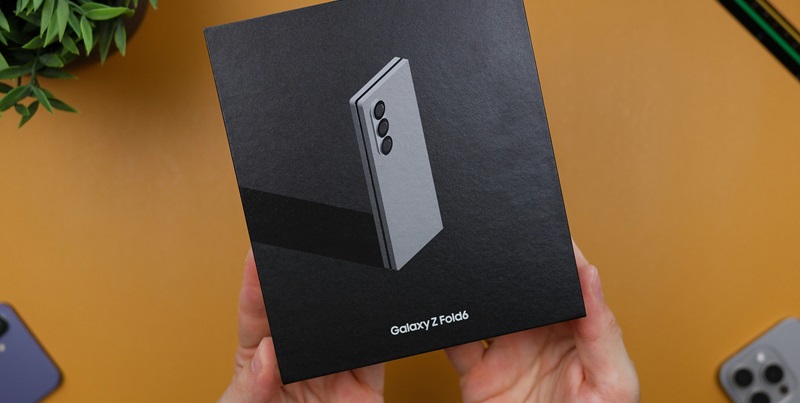
Samsung’s Tri-Fold Smartphone Delayed Until 2026 Amid Development Hurdles

Samsung’s highly anticipated tri-fold smartphone, a device aimed to compete directly with Huawei’s Mate XT, will reportedly not reach the market until early 2026, according to industry insights. Speculations have been rampant, but there’s been no official confirmation from Samsung on the matter. The development status and expected release timeframe come from renowned display analyst Ross Young of Display Supply Chain Consultants (DSCC), offering a glimpse into the hurdles faced by the tech giant. The tri-fold device will incorporate the Flex G form factor, as showcased by Samsung Display previously, standing in contrast to Huawei’s Flex S design for the Mate XT. This suggests a distinctive competitive strategy by Samsung in the foldable phone arena.

The tri-fold smartphone will, therefore, not be part of Samsung’s 2025 hardware refresh, which is set to introduce successors to the Galaxy Z Flip6 and Galaxy Z Fold6, along with a potential new Galaxy Z Flip6 FE. Additionally, there will be a special edition of the Galaxy Z Fold expected during that period. The delay signals significant technological and logistical challenges that Samsung must overcome to bring this innovative form factor to market successfully. Insights provided by Young emphasize the intense industry-wide race to develop and refine next-generation foldable smartphones, setting the stage for a potential release of Samsung’s tri-fold model in 2026.

Samsung’s decision to postpone the launch likely stems from the complexities involved in perfecting the new form factor, which could include issues related to durability, display performance, and overall device usability. Furthermore, the delay underscores the necessity for thorough testing and optimization to ensure that the final product meets high consumer expectations and industry standards. In the meantime, competitors like Huawei continue to develop their own advanced foldable devices, which keeps the pressure on Samsung to deliver a groundbreaking product. The tri-fold form factor promises to revolutionize the foldable smartphone market, but meticulous development is crucial to achieving this ambitious vision.

Explore more

How Can HR Resist Senior Pressure to Hire the Unqualified?

The request usually arrives with a deceptive sense of urgency and the heavy weight of authority when a senior executive suggests a “perfect candidate” who happens to lack every required credential for the role. In these high-pressure moments, Human Resources professionals find themselves caught in a professional vice, squeezed between their duty to uphold organizational integrity and the direct orders

Why Strategy Beats Standardized Healthcare Marketing

When a private surgical center invests six figures into a digital presence only to find their schedule remains half-empty, the culprit is rarely a lack of technical effort but rather a total absence of strategic differentiation. This phenomenon illustrates the most expensive mistake a medical practice can make: assuming that a high-performing campaign for one clinic will yield identical results

Why In-Person Events Are the Ultimate B2B Marketing Tool

A mountain of leads generated by a sophisticated digital campaign might look impressive on a spreadsheet, yet it often fails to persuade a skeptical executive to authorize a complex contract requiring deep institutional trust. Digital marketing can generate high volume, but the most influential transactions are moving away from the screen and back into the physical room. In an era

Hybrid Models Redefine the Future of Wealth Management

The long-standing friction between automated algorithms and human expertise is finally dissolving into a sophisticated partnership that prioritizes client outcomes over technological purity. For over a decade, the financial sector remained fixated on a zero-sum game, debating whether the rise of the robo-advisor would eventually render the human professional obsolete. Recent market shifts suggest this was the wrong question to

Is Tune Talk Shop the Future of Mobile E-Commerce?

The traditional mobile application once served as a cold, digital ledger where users spent mere seconds checking data balances or paying monthly bills before quickly exiting. Today, a seismic shift in consumer behavior is redefining that experience, as Tune Talk users now spend an average of 36 minutes daily engaged within a single ecosystem. This level of immersion suggests that