

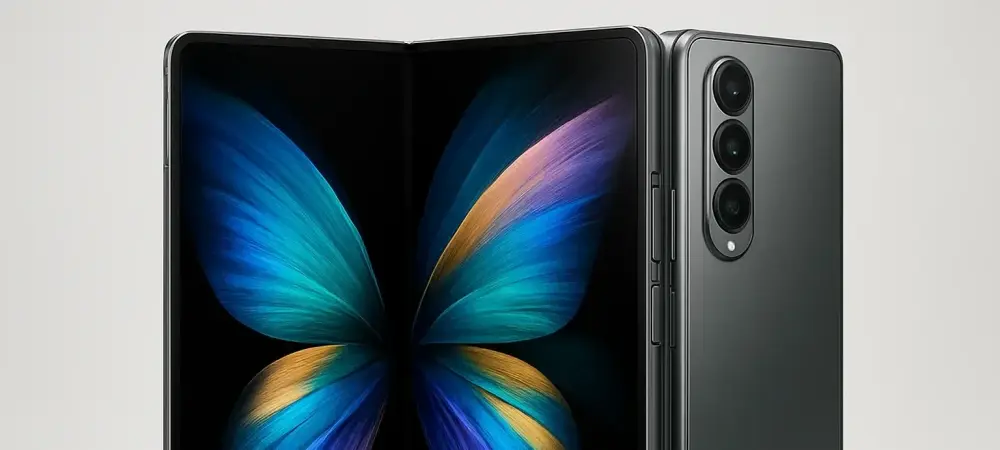
In an era where mobile technology is increasingly pivotal to business operations, the demand for devices that seamlessly blend innovation with enterprise reliability has never been higher, prompting major tech companies to tailor solutions specifically for corporate environments. Samsung has stepped up to this challenge with the recent introduction of a specialized variant of its flagship foldable smartphone, designed exclusively for business users. Initially launched in Germany through the company’s official channels, this new offering is set to expand to other global markets in the coming weeks. The release marks a significant move by Samsung to address the unique needs of professional users, emphasizing enhanced support and features that prioritize longevity and security over consumer-oriented flair. This strategic focus not only highlights the growing importance of foldable devices in professional settings but also underscores a broader industry trend of adapting cutting-edge technology to meet corporate demands with precision.
Tailored Features for Corporate Needs
The standout aspect of this new device lies in its bespoke offerings crafted specifically for enterprise environments, setting it apart from its standard counterpart. Business users in Germany, for instance, benefit from an extended three-year warranty, a notable improvement over the two-year coverage provided with the regular model. Additionally, a complimentary one-year subscription to Samsung Knox Suite is included, providing a robust device management and security solution that caters to the complex needs of corporate IT systems. These enhancements reflect a deliberate effort to ensure reliability and peace of mind for organizations that rely on mobile technology for daily operations. By integrating such features, Samsung positions this device as a dependable tool for professionals who require consistent performance and protection against potential disruptions. This approach signals a nuanced understanding of the priorities within business settings, where durability and secure management often take precedence over aesthetic variety or consumer-focused perks.
Strategic Focus on Enterprise Market
Reflecting on the broader implications of this release, it becomes evident that Samsung aims to solidify its foothold in the premium smartphone segment while carving out a dedicated niche in the enterprise sector. The device retains the high-end specifications of the standard model, including an 8-inch QXGA+ display with a 120 Hz refresh rate, a powerful 200 MP primary camera, and a Snapdragon 8 Elite processor, ensuring that performance remains uncompromised. However, choices like limiting the color to a single jet black option and offering only a 512 GB storage configuration underscore a focus on uniformity and professionalism suited for business use. This calculated move aligns with an industry shift recognizing foldable devices as viable tools for professional applications due to their versatility. By blending innovative design with enterprise-grade reliability through extended support and tailored benefits, Samsung demonstrates a commitment to diversifying its portfolio and addressing the evolving needs of corporate clients with thoughtful innovation.