

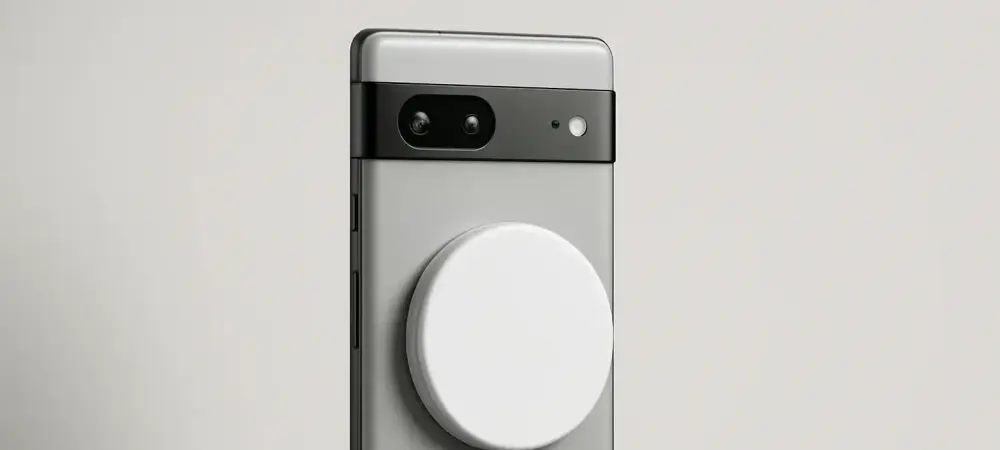
What if a single snap could power up a smartphone without the hassle of cords or misalignment, transforming the way we charge our devices? The tech world is abuzz with leaks about the Google Pixel 10 series, hinting at a groundbreaking shift to magnetic wireless charging that promises to redefine convenience. This rumored upgrade places Google in direct competition with industry giants who’ve already mastered seamless power solutions. As anticipation builds, the question lingers: can this feature elevate the Pixel lineup to new heights in a market hungry for innovation?
Why Tech Fans Can’t Stop Talking About the Pixel 10 Series
The excitement surrounding the Pixel 10 series isn’t just hype—it’s rooted in whispers of a feature that could bridge a long-standing gap in Google’s flagship offerings. Leaks suggest a magnetic charging system, a first for the Pixel lineup, sparking curiosity among enthusiasts eager to see how it stacks up against established standards. This potential addition has ignited discussions on tech forums about whether Google can deliver a truly transformative experience.
Beyond the charging rumors, the series is shaping up to be a bold step forward in design and functionality. Fans are dissecting every leaked detail, from case colors to pricing, hoping for a device that balances style with practicality. The buzz reflects a broader desire for smartphones that don’t just keep up but push boundaries in user convenience.
This fervor isn’t without reason. With competitors setting high bars for wireless power solutions, Google’s rumored move feels like a direct response to consumer expectations. If the leaks hold true, the Pixel 10 series could mark a turning point, positioning the brand as a serious contender in the race for cutting-edge tech.
The Rising Tide of Wireless Charging in Smartphones
Wireless charging has evolved from a novelty to a necessity for many smartphone users. With over 60% of flagship devices now supporting some form of cordless power, according to recent industry reports, the demand for reliable and intuitive solutions is undeniable. Consumers crave the ease of dropping a phone onto a pad—or snapping it to a charger—without fumbling with cables in a fast-paced world.
Google’s apparent pivot to magnetic charging with the Pixel 10 series addresses a notable absence in its previous models, particularly the Pixel 9, which lacked this feature. This upgrade aligns with market trends leaning toward universal standards like Qi2, which promise broader compatibility and efficiency. The shift suggests Google is listening to feedback about the need for seamless integration in daily device use.
Competitors like Apple have already capitalized on magnetic systems with MagSafe, creating an ecosystem of accessories that enhance user experience. If Google follows suit, it could tap into a growing segment of consumers prioritizing convenience over traditional charging methods. This move might also encourage third-party developers to innovate further, expanding options for Pixel owners.
Unpacking the Pixel 10 Series Leaks: Specs, Style, and Pricing
Leaked details about the Pixel 10 series paint a vivid picture of what’s to come, starting with a major focus on magnetic charging. Images from reliable sources reveal official ‘Pixelsnap’ protective cases for the Pixel 10 and Pixel 10 Pro XL, featuring visible magnetic rings that hint at Qi2 compatibility. A render of a charging puck—possibly dubbed the Pixelsnap Charger or Ring Stand—snapped directly to the phone’s back suggests a leap in wireless power accessibility.
Design and personalization also take center stage in these leaks. Case colors for the base Pixel 10 include vibrant options like Indigo, Obsidian, Limoncello, and Frost, while the Pro XL offers Moonstone, Jade, Porcelain, and likely Obsidian. These choices mirror the handsets’ rumored colorways, showcasing Google’s intent to blend aesthetics with functionality for a wide range of tastes.
Pricing for the Indian market further underscores Google’s tiered approach to capture diverse segments. The standard Pixel 10 is expected to retail at Rs. 79,990 for 12GB RAM and 256GB storage, with the Pro and Pro XL starting at Rs. 1,09,999 and Rs. 1,24,999, respectively. The premium Pro Fold, at Rs. 1,72,999, targets high-end buyers, reflecting a strategic push to compete across mid-range to luxury price points in a crowded landscape.
What Experts Are Saying About the Magnetic Charging Shift
Tech analysts have weighed in on Google’s rumored embrace of magnetic wireless charging, viewing it as a significant alignment with industry trends. Many note that third-party “Made for Google” partners have already adopted Qi2 standards for earlier Pixel models, suggesting the company is building on an existing foundation. This step could position the Pixel 10 series as a leader in adopting universal charging protocols.
Community reactions on tech platforms reveal a mix of excitement and cautious optimism. Users frequently cite the potential for a MagSafe-like ecosystem, envisioning a world where magnetic mounts and wallets seamlessly integrate with their devices. One forum commenter remarked, “If Google nails this, it’s a game-changer for how I use my phone daily—less hassle, more utility.”
Industry observers also highlight the broader implications of this upgrade. A tech consultant recently stated, “Magnetic charging isn’t just about power; it’s about creating a cohesive accessory market that keeps users invested in the brand.” Such insights suggest that Google’s move could ripple beyond the device itself, fostering loyalty through practical innovation.
Practical Benefits of Magnetic Charging in the Pixel 10 Series
Envisioning the impact of magnetic charging reveals tangible advantages for everyday use. The ability to snap a compatible charger or accessory—like the rumored Pixelsnap Charger—onto the device without worrying about alignment offers unmatched ease, especially for those constantly on the move. This feature could streamline morning routines or quick top-ups during travel.
Compatibility with a wider ecosystem of magnetic accessories adds another layer of value. If Qi2 support is confirmed, Pixel 10 owners might access mounts, stands, and even wallets that enhance functionality, much like other flagship devices have achieved. This versatility could transform the phone into a hub for personalized solutions tailored to individual lifestyles.
Looking ahead, adopting universal standards like Qi2 ensures the device remains relevant in an evolving tech landscape. Investing in a smartphone ready for future charging innovations reduces dependence on proprietary systems, offering long-term savings and adaptability. For users, this translates to confidence that their purchase won’t become obsolete amid rapid advancements.
Reflecting on a Charged-Up Milestone
Looking back, the journey of the Google Pixel 10 series has been marked by anticipation and intrigue, fueled by leaks that promised a magnetic charging revolution. The blend of style through diverse color options and functionality via cutting-edge wireless power has positioned the lineup as a noteworthy contender in the smartphone arena. Each leaked detail, from pricing strategies to accessory compatibility, has painted a picture of a brand striving for relevance and innovation.
As the dust settles on these revelations, one actionable step stands out for tech enthusiasts and potential buyers: stay informed about official announcements to understand the full scope of these features. Exploring compatible accessories early could maximize the benefits of magnetic charging, ensuring a seamless integration into daily life. Beyond that, keeping an eye on how Google expands this ecosystem might reveal even more opportunities to enhance device utility in the years ahead.