

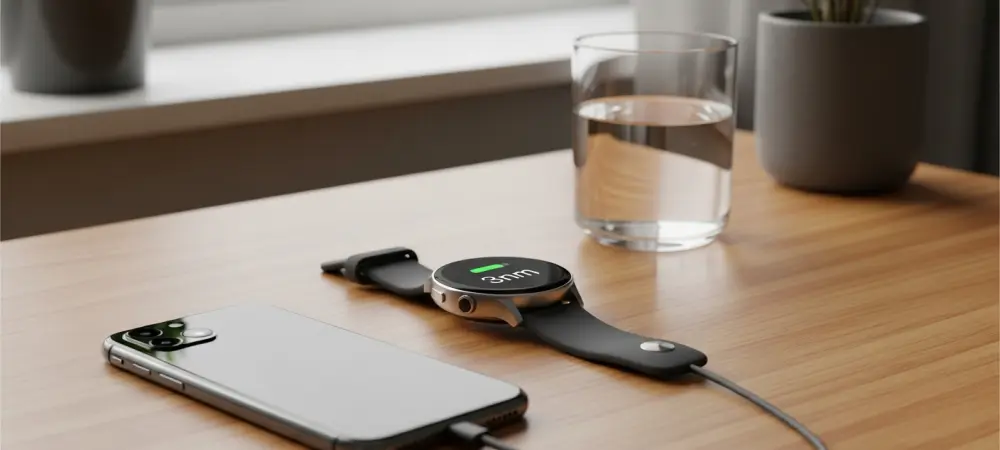
The rapid convergence of sophisticated biometric monitoring and wearable aesthetics has reached a significant milestone as the industry prepares for the next generation of high-performance smartwatches scheduled for release this summer. Samsung is poised to unveil the Galaxy Watch 9 and the Ultra 2 during its upcoming Unpacked event, signaling a robust commitment to maintaining its leadership in the Android ecosystem. These devices represent more than a simple iterative update; they embody a strategic shift toward preventative health metrics through enhanced sensor arrays. The primary focus remains on the proprietary BioActive Sensor, which now incorporates advanced algorithms for non-invasive glucose monitoring and more precise metabolic tracking. This technological leap addresses a growing consumer demand for medical-grade data within a consumer-grade device. By positioning these launches in July, the company aims to capture the early holiday market and establish a benchmark for performance that competitors will find difficult to match before the end of 2026. This release strategy underscores a broader trend where wearables are no longer just notification hubs but essential health tools that provide real-time feedback on physiological stressors. The integration of high-resolution micro-OLED displays in the Ultra 2 suggests a move toward higher durability and better outdoor visibility for extreme sports enthusiasts who require reliable data in harsh environments.
Refining Hardware and Software Integration
Building on the internal hardware improvements, the transition to a more efficient 3nm Exynos processor marks a turning point for battery longevity in the Galaxy Watch 9 series. This architecture allows for a significant reduction in power consumption during background tasks, which has historically been the primary pain point for full-featured smartwatches. While the standard Watch 9 focuses on a refined, slim profile suitable for professional and casual wear, the Ultra 2 emphasizes ruggedness with a titanium grade-5 chassis and an increased depth rating for aquatic activities. Moreover, the software ecosystem is expected to receive a substantial boost with the introduction of Galaxy AI features that personalize health insights based on historical user data. Instead of providing raw numbers, the device will offer context regarding sleep quality and recovery states, effectively serving as a digital coach. This approach naturally leads to a more engaged user base that views the smartwatch as a proactive partner in wellness. The inclusion of satellite connectivity for emergency scenarios in the Ultra model further distinguishes it from entry-level wearables, ensuring that users remain connected even in remote locations where cellular networks are unavailable. Such features demonstrate a clear intent to dominate the premium market segment by offering a comprehensive suite of safety and productivity tools that work seamlessly with the existing smartphone lineup. Stakeholders in the health-tech industry realized that the launch of the Galaxy Watch 9 and Ultra 2 required a proactive approach to data privacy and cross-platform compatibility. Developers began optimizing third-party applications to leverage the new sensor data, ensuring that fitness and medical apps could utilize the increased processing power without draining the battery. Users who planned to upgrade found it beneficial to back up their health profiles and review the updated privacy policies regarding biometric data storage. The market shifted toward a model where hardware purchases were merely the entry point into a wider service-based ecosystem. Future considerations suggested that those seeking to maximize the utility of these devices looked into integrating their smartwatch data with professional medical platforms to facilitate better consultations with healthcare providers. It was essential for consumers to evaluate their specific needs, whether for casual fitness tracking or intensive outdoor exploration, before selecting between the standard and Ultra models. Looking forward, the emphasis moved toward long-term data analysis, where the insights gathered in late 2026 provided the foundation for personalized preventative medicine strategies throughout 2027 and beyond. This transition solidified the role of the smartwatch as a critical component in the modern health infrastructure, prompting manufacturers to maintain rigorous standards for hardware reliability and software security.