

Breaking the Flagship Barrier: Bringing Android 17 to the Masses
Samsung’s commitment to software equity reached a new milestone as the highly anticipated One UI 9 update began its descent from flagship exclusivity to the palms of mid-range users worldwide. This transition followed the successful debut of the Galaxy S26 series, which originally showcased the capabilities of Android 17. By extending these sophisticated features to a broader ecosystem, the manufacturer signaled a major shift in its strategy, acknowledging that the modern mobile experience should not be restricted by the price of the hardware.
The democratization of high-end software is a pivotal move for maintaining market retention in the highly competitive mid-tier segment. When users of more affordable devices receive the same stable firmware as those holding premium flagships, it fosters a sense of brand loyalty that transcends a single purchase cycle. This evolution of the Galaxy A, F, and M series demonstrates a concerted effort to provide a unified experience, ensuring that the latest refinements in multitasking and efficiency are accessible to the largest possible audience.
As the first wave of stable builds reaches the public, the evolution of these devices becomes clear through the lens of performance and aesthetics. The integration of One UI 9 is not merely a cosmetic update; it represents a fundamental change in how mid-range devices interact with the Android ecosystem. By bridging the gap between tiers, the brand has effectively redefined what it means to own a secondary or budget-friendly smartphone in the current technological climate.
Scaling the One UI 9 Experience Across the Galaxy Portfolio
Tactical Rollout Strategy for the A, F, and M Series
The technical execution of this software distribution involved a complex, phased approach that prioritized high-volume markets. Specifically, the Galaxy M56, A35, and F17 emerged as the primary beneficiaries of the initial rollout, receiving firmware versions such as M566BXXU7DZJ1 and A356EXXUBEZJ2. These updates arrived as substantial multi-gigabyte payloads, with some versions reaching up to 2.7GB, reflecting the deep architectural changes inherent in the Android 17 transition.
Industry observers noted that the Indian market served as a primary launchpad for this deployment, likely due to the massive user base and the diverse range of network conditions available for testing stability. By monitoring the performance of the Galaxy M17 and F17 in these regions, developers could fine-tune the delivery system before expanding the release to other global territories. This strategic focus ensures that the most active segments of the mid-range community are the first to experience the improved software environment. Early reports suggested that the current hardware-software parity is more balanced than in previous years, with optimizations specifically designed for non-flagship chipsets. These enhancements allow the devices to maintain fluid animations and responsive touch inputs, even when managing the background processes required by the latest version of the Galaxy interface.
Overhauling the Interface with a Redesigned Quick Panel
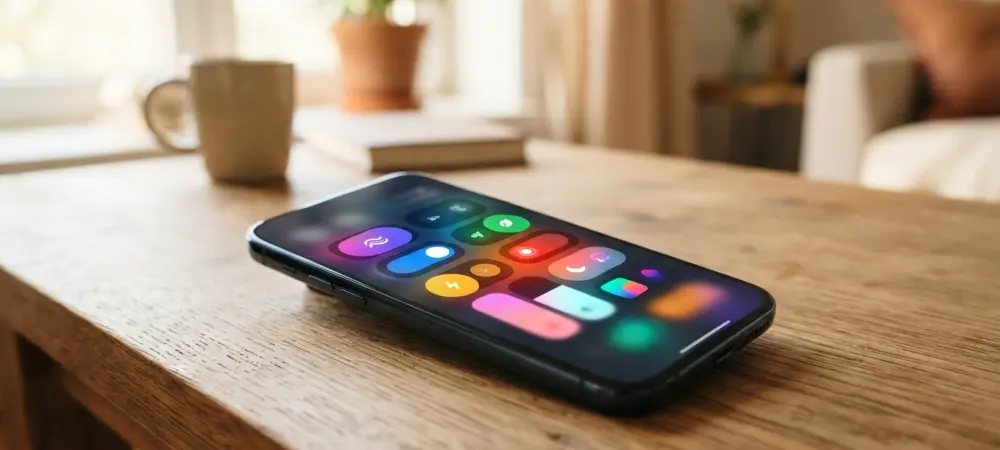
The visual centerpiece of One UI 9 is a completely redesigned Quick Panel that emphasizes personalization and granular control. This shift toward a more intuitive notification shade allows users to organize their most-used toggles with greater precision, making the interface feel more responsive to individual needs. By moving away from a one-size-fits-all layout, the software manages to bridge the aesthetic gap between affordable hardware and the premium feel traditionally associated with the S-series. Developers achieved this by implementing a more efficient rendering engine for the transparency and blur effects seen throughout the toggle shade. This ensures that the sleek, modern look of One UI 9 does not lead to frame drops or lag, maintaining a consistent user experience regardless of the device’s internal specifications.
Furthermore, the updated interface introduces more meaningful interactions within the notification system. Users can now perform more complex tasks directly from the Quick Panel without needing to open full applications, a feature that significantly boosts productivity on the go. These personalized controls empower the user to treat their mid-range device as a high-performance tool, blurring the lines between different market segments through software intelligence.
Hardening Security and Privacy for the Modern User
Security remained a top priority during this rollout, evidenced by the integration of the October 2026 security patches into the initial builds. This proactive approach ensures that users are protected against the latest digital vulnerabilities the moment they upgrade. By standardizing these protections across the A, F, and M series, the brand has moved beyond basic encryption to offer a comprehensive safety suite that was once a luxury reserved for the highest price points.
Localized device-protection features also made their debut, designed to safeguard sensitive personal data within specific regional contexts. These tools provide an extra layer of defense for financial applications and personal communication, which are increasingly targeted by sophisticated threats. The ability to manage these permissions through a centralized privacy dashboard makes it easier for the average user to understand and control how their information is being used by various services.
This shift toward universal security standards reflects a broader industry trend where software longevity is tied directly to user safety. By providing consistent updates to mid-range devices, the manufacturer ensures that the global Galaxy community remains resilient against emerging security risks. This commitment to privacy helps build long-term trust, as users can be confident that their data is being handled with the same level of care as that of a flagship owner.
Future-Proofing Mid-Range Hardware Through Software Longevity
The velocity of the current update cycle represents a significant departure from historical trends, where the Galaxy M and F series often waited months for new firmware. This accelerated timeline is a testament to the improvements made in the underlying software architecture, which now allows for more rapid porting of features across different hardware configurations. This speed not only keeps devices relevant but also enhances their resale value and functional lifespan. One of the most notable additions to the mid-range portfolio is the “Horizontal Lock” feature, which was previously a standout on the Galaxy S25 and S26. By bringing such flagship-adjacent features to the middle tier, the brand has effectively disrupted the traditional budget smartphone market. This strategy forces competitors to reconsider their own support cycles, as users now expect a high level of feature parity and long-term support even at lower price points.
Examining the competitive landscape reveals that extended support is becoming a primary differentiator for savvy consumers. The ability to receive Android 17 so shortly after its initial release provides a compelling value proposition that many other manufacturers struggle to match. As software becomes the primary driver of the mobile experience, the focus on longevity ensures that mid-range hardware remains a viable and powerful option for several years after the initial purchase.
Optimizing the Transition: Installation Protocols and Best Practices
To ensure a seamless jump to Android 17, users should adhere to a strict pre-update checklist that covers basic hardware and connectivity requirements. It is essential to verify that the device has at least 3GB of available storage space to accommodate the large firmware file and the temporary data generated during the installation process. Additionally, maintaining a battery threshold of at least 50% or keeping the device connected to a charger is vital to prevent any power-related failures during the critical rewrite phase.
The manual firmware verification process remains the most reliable way to secure the update before the automatic notification arrives. By navigating to the software update section within the settings ecosystem, users can trigger a search for the latest build and begin the download over a stable Wi-Fi connection. This proactive approach is particularly useful during phased rollouts, as it allows enthusiastic users to bypass the queue and access new features as soon as they become available for their specific model.
Troubleshooting common deployment hurdles often involves simple steps like clearing the system cache or ensuring that all background applications are closed before starting the installation. If the update fails to appear, it may be due to the phased distribution model, which can see a delay of several days between different carrier versions or geographic regions. Patience is key, as the gradual release is designed to protect the integrity of the network and ensure that each device receives a fully optimized version of the stable firmware.
The New Standard for Samsung’s Middle Tier
The rapid deployment of One UI 9 across high-volume, mid-range smartphones established a new standard for the industry. This move demonstrated that the technical hurdles previously associated with large-scale updates were no longer an excuse for delayed support. By providing a unified experience, the brand reinforced its position as a leader in the Android ecosystem, proving that quality software is the most effective way to enhance hardware that is already in the hands of millions. One UI 9 successfully redefined what users should expect from a non-flagship device, moving the conversation away from raw specs toward the value of the software experience. The update brought a level of refinement and security that was once unthinkable for the M or F series, showing that the gap between different price tiers was closing. This strategy not only benefited individual users but also strengthened the global Galaxy community by ensuring a more secure and feature-rich environment for everyone.
The long-term benefits of this unified approach became evident as more users explored the new tools and personalization options at their disposal. The transition to Android 17 was more than a simple version increment; it was a comprehensive upgrade that breathed new life into existing hardware. Moving forward, the focus must remain on exploring these new capabilities to maximize productivity and ensure that the digital experience remains as safe and efficient as possible in an ever-evolving mobile landscape.