

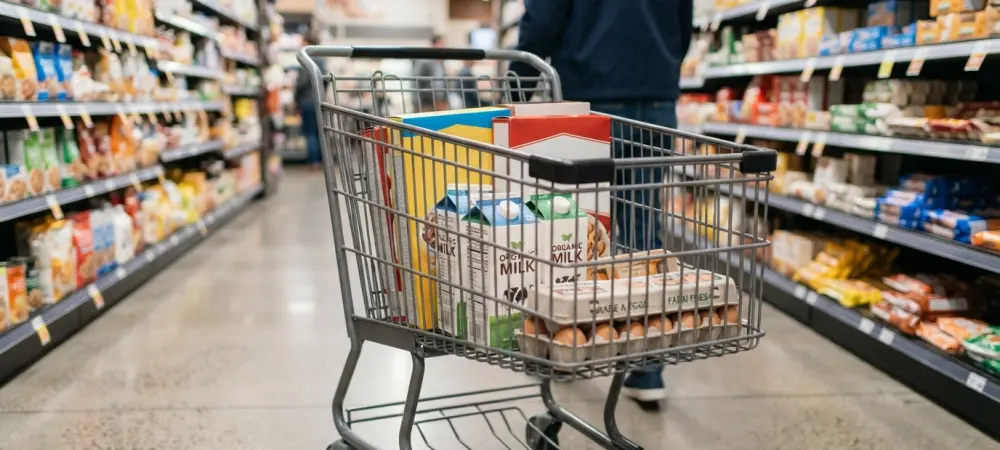
The evolution of BNPL into a primary method for financing rent and utilities represents a fundamental change in how the American public manages daily cash flow. This reliance on short-term debt to bridge the gap for basic survival reflects a systemic shift in consumer behavior that demands a closer examination of current economic stability.
The Rapid Expansion of Installment Lending
The shift toward installment lending has been accelerated by a job market that, while stable in numbers, has seen real purchasing power eroded by the rising costs of housing and healthcare. For many families, the ability to break a large, unavoidable expense into four manageable segments provides a temporary relief that traditional credit cards, with their high interest rates and rigid billing cycles, often fail to offer. This economic landscape has forced a reevaluation of what constitutes a “safe” financial product, as consumers increasingly prioritize immediate liquidity over long-term debt avoidance. Consequently, the fintech sector has stepped in to fill the void left by traditional banking institutions, which have remained hesitant to offer micro-loans for non-discretionary spending. This environment has created a fertile ground for the rapid scaling of services that promise flexibility but require a high degree of personal management to avoid long-term fiscal traps.
Trends in Consumer Spending Habits
Recent data from Federal Reserve economists reveals that Americans spent a staggering $160 billion through BNPL platforms last year, marking a monumental shift in how households manage liquidity. The most popular iteration, the “pay-in-four” model, accounted for half of this volume and has seen an 80% spike in adoption since 2023. Financial experts note that while these services were originally marketed as a modern alternative to layaway for lifestyle products, the reality on the ground is that consumers are now leaning on these short-term loans to bridge the gap between paychecks for essential needs. This surge is largely attributed to a complex economic landscape where the cost of living continues to rise faster than median wages. Consequently, the utility of BNPL has transitioned from a tool for discretionary spending to a vital resource for covering recurring monthly expenses that were previously handled with cash or standard credit cards. The integration of these services into the checkout systems of major grocery chains and utility portals has further normalized the practice, making it an almost invisible part of the weekly budgeting process for millions of working-class families across the country.
Personal Accounts of Financial Dependency
The human dimension of this trend is reflected in the stories of individuals who have integrated BNPL into their permanent household budgets as a matter of course. For some, like long-term users managing entry-level salaries, the service is viewed as a pragmatic tool to maintain a standard of living that their immediate liquid income cannot support without significant sacrifice. For others, the shift is born of necessity following major life events like childbirth or sudden medical bills, leading to a sense of systemic frustration and personal embarrassment. These narratives highlight a growing societal reality where basic necessities, such as food and hygiene products, have become difficult to afford without revolving credit. This dependency often creates a psychological burden, as users must constantly calculate future installments against an uncertain income stream, turning the simple act of grocery shopping into a complex exercise in long-term debt management. The emotional toll of being unable to afford life’s essentials without borrowing against future labor is a recurring theme among those who have become reliant on these modern installment plans.
The Risks of Fragmented Debt
As the volume of installment debt continues to climb, the transparency of the consumer credit market has become increasingly opaque. Unlike traditional loans, which are carefully logged and tracked by central agencies, many BNPL transactions occur in a fragmented ecosystem where a single consumer may have obligations spread across multiple, unconnected platforms. This lack of a centralized ledger makes it difficult for lenders to assess a borrower’s true debt-to-income ratio, leading to a situation where credit is extended to those who are already overleveraged. The speed and ease of the application process, while beneficial for those in immediate need, often bypass the rigorous financial vetting that protects consumers from entering a cycle of perpetual debt. This systemic blind spot poses a significant risk to the broader economy, as the true scale of household liability remains hidden until a point of failure is reached, potentially leading to a wave of defaults that could ripple through the financial sector.
Hidden Costs and Credit Implications
Despite being marketed as interest-free, the BNPL model carries significant risks that can catch vulnerable borrowers off guard during times of financial stress. While many plans offer a 0% APR, this is often contingent on a flawless repayment record; late fees, origination charges, and the risk of being banned from the platform create a precarious environment for those already struggling. Furthermore, the “grey area” of credit reporting is disappearing, as major providers now report to bureaus like Experian and TransUnion, meaning missed payments can damage a consumer’s future financial stability.
This shift in transparency means that what was once an invisible loan is now a permanent part of a user’s credit profile, potentially affecting their ability to secure housing or traditional loans in the future. The convenience of an instant approval button often masks these long-term consequences, leading many to underestimate the true cost of their immediate financial relief. Consumers are often unaware that a single missed payment on a small grocery bill can have the same negative impact on their credit score as a defaulted credit card payment, leading to lasting damage.
The Dangers of Debt Stacking
One of the most concerning trends identified by consumer advocates is “debt stacking,” where users open multiple plans across different providers simultaneously to cover various costs. Because these loans are easy to obtain and often bypass traditional credit checks, consumers can quickly find themselves managing dozens of different payment dates and obligations across several apps. This lack of centralized tracking makes it nearly impossible for individuals to accurately predict their future ability to pay, often resulting in a “snowball effect” that leads to a full-blown debt crisis.
When a consumer uses one BNPL service for groceries and another for a utility bill, the overlapping payment schedules can create a sudden vacuum in their bank account that triggers overdraft fees or missed installments. This fragmentation of debt obscures the total amount owed, making it difficult for even the most diligent budgeters to maintain a clear picture of their overall financial health and liabilities. Without a unified way to view these obligations, the risk of accidental overspending remains high, as the small, incremental payments can quickly aggregate into a sum that exceeds the user’s weekly income.
Seeking Long-Term Financial Solutions
For those caught in a cycle of dependency, financial counselors suggested exploring public resources and professional support before turning to debt for survival. Programs such as SNAP, local food banks, and hardship initiatives addressed the root cause of a deficit without incurring the fees associated with private lending. Additionally, nonprofit organizations offered pathways for debt consolidation and budget management, providing a necessary alternative to using a “safety net” made of debt that eventually failed. The transition of BNPL from a retail perk to a grocery-store staple served as a significant indicator of economic fragility during this period. To avoid long-term traps, consumers viewed these plans not as a replacement for income, but as a high-stakes commitment requiring extreme scrutiny. As the line between credit and survival became blurred, the most effective strategy involved utilizing community-based resources and professional guidance to restore a sustainable balance to household finances. Ultimately, the successful navigation of this complex landscape depended on a combination of strict self-imposed limits and a willingness to engage with institutional supports that prioritized long-term stability over the immediate convenience of digital installment loans.