

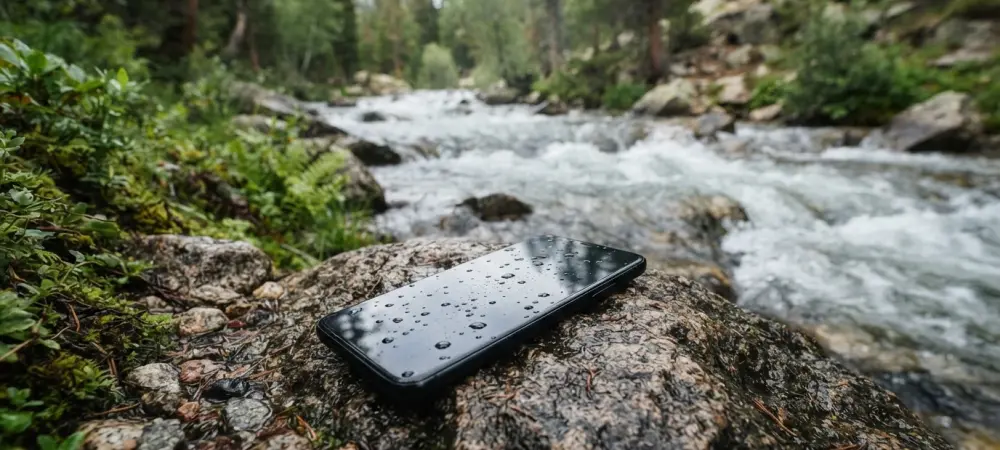
The perpetual anxiety of a dying smartphone battery during a critical workday or a remote trek has long been the primary catalyst for the specialized engineering found in the Moto G47 Power. This handset represents a significant advancement in the mid-range smartphone sector, specifically focusing on the intersection of extreme battery endurance and rugged hardware standards.
Its debut marks a deliberate shift from generic mobile design toward a purpose-built architecture. The handset prioritizes the needs of users who operate far from power outlets, providing a reliable platform that balances modern specifications with resilience.
Introduction to the Moto G47 Power and the “Power” Series
Motorola’s “Power” branding has evolved into a hallmark of reliability for those demanding all-day performance without compromise. This iteration addresses a market increasingly fatigued by fragile devices that require mid-day charging sessions to remain functional. By prioritizing a software-hardware synergy, the G47 Power carves a unique niche in the current landscape. It functions more like a durable tool than a mere lifestyle gadget, emphasizing longevity and software modernism as its primary value propositions.
Technical Specifications and Hardware Performance
The technical architecture of this model centers on maintaining high performance through the use of highly efficient components. Every internal element was selected to ensure that energy consumption remains predictable under varying workloads.
This deliberate component selection works in harmony with the massive energy reservoir to ensure consistent throughput. The result is a device that does not stutter during multitasking while maintaining a low thermal footprint.
Massive 7,000mAh Battery and Charging Capabilities
A 7,000mAh battery enables multi-day usage patterns as the device’s central feature. This capacity allows professionals and outdoor enthusiasts to rely on their device for extended periods without searching for a wall socket. To manage this capacity, the 30W TurboPower technology provides steady refueling speeds. Moreover, the 6W reverse wired charging functionality allows the handset to serve as a mobile power bank for secondary peripherals such as wireless earbuds.
Display Technology and MediaTek Dimensity 6300 Chipset
Visuals are anchored by a 6.67-inch 120Hz LCD display featuring “Water Touch” responsiveness for wet environments. This ensures the screen remains usable during rain or in humid conditions, which is essential for outdoor reliability. Driving the interface is the MediaTek Dimensity 6300 6nm processor paired with LPDDR4X RAM. This combination facilitates a fluid user experience while significantly extending the interval between charges compared to more power-hungry chipsets.
Photography and High-Resolution Imaging Systems
The imaging system utilizes a 108-megapixel primary sensor capable of delivering 3x lossless zoom. This hardware allows for high-quality cropping and detailed captures that are often missing from other mid-range competitors.
Software processing maximizes clarity across different lighting scenarios to complement the high-resolution sensor. A secondary macro lens and an 8-megapixel selfie camera provide additional versatility for diverse photographic needs.
Recent Innovations in Mid-Range Mobility
Innovation is evident in the adoption of Android 16 via Motorola’s Hello UI environment. This early software integration ensures that users have access to the latest privacy controls and performance optimizations right from the start.
Additionally, “RAM Boost” technology bridges the gap between physical memory limitations and intense multitasking demands. The inclusion of Pantone-validated colors further adds an aesthetic sophistication rarely seen in ruggedly designed hardware.
Real-World Applications and Durability Standards
The device meets MIL-STD-810H and IP64 standards, providing high resistance to dust and accidental splashes. These certifications make the phone a robust choice for industrial environments or rigorous hiking expeditions.
Corning Gorilla Glass 7i protects the display from the typical abrasions of daily travel. This structural integrity ensures the device remains a reliable companion for users who require uptime in unpredictable or harsh physical settings.
Current Challenges and Technical Limitations
However, the 215g weight and increased thickness required for the large battery may feel cumbersome to some users. Balancing portability with extreme endurance remains a technical hurdle that necessitates a specific ergonomic trade-off.
Furthermore, the 30W charging speed is relatively slow when tasked with replenishing such an oversized energy cell. Regional availability also remains a challenge, as competitive pricing varies significantly across global markets.
Future Development and Market Trajectory
Future iterations in this series may adopt faster charging standards and more efficient silicon to reduce downtime. This trajectory suggests that high-capacity mid-range devices will eventually influence flagship design expectations.
The long-term impact of integrating rugged certifications into mainstream electronics will continue to shape consumer preferences from 2026 to 2028. Manufacturers are likely to move toward better energy density as a standard requirement.
Final Assessment of the Moto G47 Power
The Moto G47 Power functioned as a bridge between the specialized rugged market and the broader consumer audience. It established a clear value proposition for users who viewed battery life as the most critical hardware metric. The device successfully integrated structural integrity with the latest software advancements to set a high benchmark. Ultimately, the handset provided a decisive solution for the modern challenges of mobile endurance.