

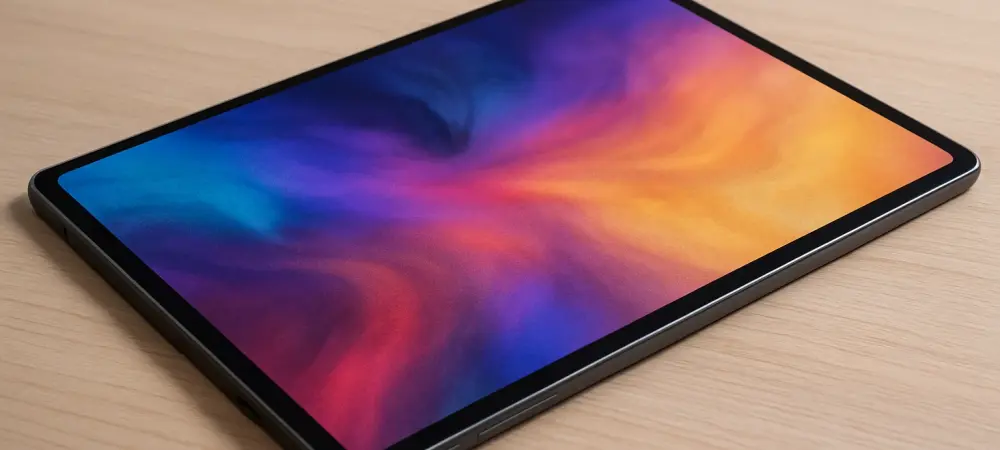
Imagine a device so powerful and versatile that it blurs the line between tablet and laptop, catering to both binge-watchers and productivity enthusiasts with equal finesse. Enter the Samsung Galaxy Tab S10 Ultra, a flagship Android tablet with a starting price of $999, designed to challenge the dominance of Apple’s iPad Pro. With its massive 14.6-inch AMOLED display and cutting-edge features, it has sparked intense debate among tech enthusiasts and professionals alike. This roundup gathers insights, opinions, and reviews from a variety of sources to dissect the tablet’s design, performance, and overall value. The goal is to determine whether this device truly stands as the pinnacle of tablet technology or if it falls short of expectations in a competitive market.
Design and Build: A Premium Contender
Diving into the design, multiple tech reviewers have praised the Galaxy Tab S10 Ultra for its sleek, ultra-thin 0.21-inch frame, which exudes a premium feel. The IP68 water and dust resistance sets a high standard for durability, making it a reliable companion for various environments. Industry analysts have noted that this build quality positions the tablet as a direct rival to premium devices, emphasizing its polished aesthetic and robust construction.
However, not all feedback is glowing. Some critiques focus on the practicality of such a design, pointing out that the thin profile can make the device feel delicate during extended use without a protective case. Additionally, the optional keyboard case, priced at $349 and often excluded from standard reviews, raises questions about the total cost of achieving a full productivity setup. This split in opinion highlights a broader discussion on whether premium design alone justifies a steep price tag.
A recurring theme among design evaluations is the 14.6-inch AMOLED 2X display, lauded for its crisp 2960 x 1848 resolution and 120Hz refresh rate. Visual quality is consistently rated as exceptional, especially for creative professionals who rely on accurate colors. Yet, a few users argue that the large screen size can be cumbersome for handheld use, suggesting that portability takes a hit in favor of visual real estate.
Performance: Powerhouse or Compromised?
Benchmark Battles and Chipset Choices
Shifting to performance, the tablet’s adoption of the MediaTek Dimensity 9300+ processor has stirred diverse reactions. Several tech benchmarks, such as those from GeekBench 6 and 3DMark, show the device matching the Samsung Galaxy S24 Ultra in CPU and graphics capabilities. Many industry observers commend this as a bold shift from traditional Snapdragon chips, viewing it as a step toward diversifying hardware options for better efficiency.
On the flip side, comparisons with Apple’s iPad Pro M4 reveal a significant gap, with the latter nearly doubling the Tab S10 Ultra’s scores in both single-core and multi-core tests. Critics argue that this disparity could impact users engaged in intensive tasks like video editing or 3D rendering. Some sources suggest that while the MediaTek chip handles everyday tasks smoothly, it may struggle to keep pace with future software demands.
A balanced perspective comes from user-focused reviews, which note that post-update improvements, particularly with Samsung One UI 7.0, ensure a fluid experience for most. This raises a key question echoed across discussions: does raw benchmark power matter for the average consumer, or is real-world usability the true metric? Opinions remain divided, with some prioritizing specs and others emphasizing practical performance.
Battery Life and Display for Media Enthusiasts
When it comes to battery life and display, the consensus leans heavily positive. The 11,200 mAh battery, supporting up to 16 hours of video playback, has impressed testers who report minimal drain—around 15-20% over three hours of streaming content like sports or movies. Media-focused evaluations highlight this as a game-changer for travelers seeking a reliable entertainment device without constant recharging.
The expansive OLED screen further cements its appeal for content consumption, with vibrant colors and deep contrasts earning high marks from visual media experts. Some reviews describe the viewing experience as cinematic, ideal for everything from Netflix marathons to detailed design work. This strength often overshadows smaller gripes about screen glare in bright environments.
Yet, a few dissenting voices point out limitations in multitasking integration, suggesting that while the display and battery excel for media, they don’t fully transform the tablet into a laptop replacement. Productivity users note that split-screen functionality and app optimization still lag behind competitors. This split in feedback underscores a niche where the device shines but doesn’t universally dominate.
Ecosystem Integration: Seamless or Stumbling?
Turning to ecosystem synergy, opinions vary on how well the Tab S10 Ultra connects within Samsung’s device family. Features like Smart View mirroring and SmartThings controls receive praise from users already embedded in the Samsung ecosystem, who appreciate the added convenience of device interoperability. Tech blogs often highlight these as steps toward a cohesive user experience.
Contrasting views emerge when comparing this integration to Apple’s tightly controlled environment. Several analysts argue that Samsung’s ecosystem feels less intuitive, with tools like Bixby drawing criticism for lacking the polish of rival virtual assistants. Limited cross-device functionalities, such as advanced second-screen options with non-Samsung hardware, are frequently cited as areas needing improvement.
A middle ground appears in discussions about potential updates. Many sources speculate that future software enhancements could bridge existing gaps, offering deeper connectivity and elevating the tablet’s status. Until then, the general sentiment is that while Samsung provides a solid foundation, it hasn’t yet matched the seamless interplay of competing ecosystems, leaving room for refinement.
User Experience: Who Benefits Most?
Focusing on user experience, the tablet garners acclaim as a media consumption device. Feedback from casual users and travelers emphasizes its value as a portable entertainment hub, with the large screen and long battery life making it a preferred choice over smaller devices or even laptops. Streaming platforms and gaming apps reportedly run with exceptional clarity and minimal lag.
Productivity-focused reviews offer a more nuanced take, suggesting that while the tablet serves as a capable secondary screen for tasks like document viewing alongside a primary device, it falls short of replacing dedicated workstations. Some users express frustration over accessory costs and software limitations that hinder a full laptop-like experience, despite the hardware’s potential.
A common thread across experiences is advice on configurations. Multiple sources recommend mid-tier storage options (like 12GB RAM with 512GB storage) due to the microSD slot supporting up to 1.5TB, making higher-end models less necessary for most. This practical tip reflects a broader agreement that the tablet best suits users prioritizing screen size and battery over raw processing power.
Wrapping Up the Roundup
Reflecting on this collection of insights, it becomes clear that the Samsung Galaxy Tab S10 Ultra carves a strong niche with its standout display, enduring battery life, and premium design, though it stumbles in raw performance compared to Apple’s iPad Pro M4 and faces ecosystem integration challenges. Diverse opinions paint a picture of a device that thrills media lovers and casual users but leaves power users and productivity seekers wanting more. For those considering a purchase, exploring mid-tier configurations and leveraging the tablet as a travel companion or streaming powerhouse proves to be a wise move based on shared tips. Moving forward, potential buyers might benefit from monitoring Samsung’s software updates for enhanced connectivity or testing the device hands-on to align with specific needs. This roundup aims to provide a balanced lens, and delving into detailed hands-on reviews or community forums could offer even deeper personalized insights.