

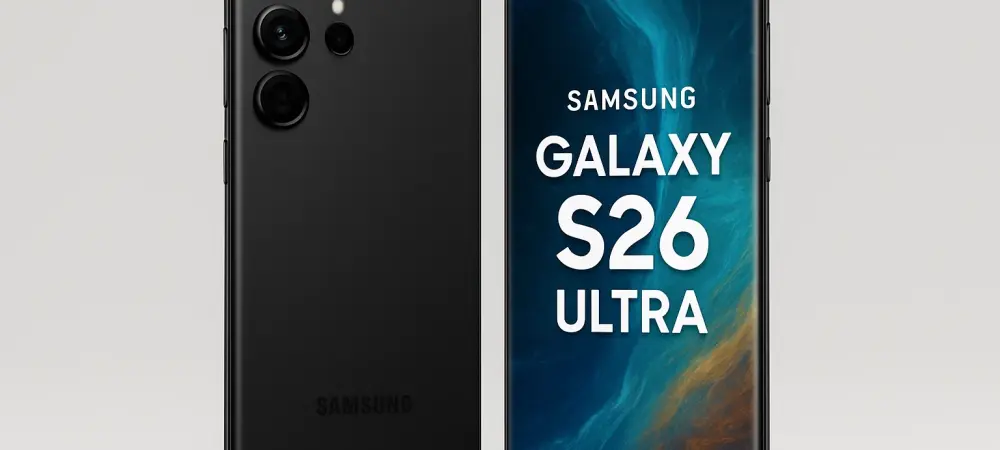
What if a smartphone could redefine endurance, speed, and innovation all at once? As the tech world buzzes with anticipation for Samsung’s next big release, leaked details about the Galaxy S26 Ultra—slated for a global launch, including in India, in January 2026—paint a picture of a device that might just achieve that feat. With whispers of faster charging, cutting-edge cameras, and raw power under the hood, this flagship is shaping up to be a game-changer. Dive into the latest rumors and certifications to see what’s in store for this much-anticipated device.
Why This Flagship Stands Out
In an era where smartphones are indispensable tools for work, play, and connection, the Galaxy S26 Ultra isn’t just another gadget—it’s a benchmark of what premium technology can achieve. Samsung’s Ultra series has consistently raised the bar for flagship devices, often setting trends that competitors scramble to match. With the stakes higher than ever in the race for battery life and performance, these leaks provide a critical window into whether Samsung will meet the soaring expectations of power-hungry users or fall short in a crowded market.
The significance of this device lies in its potential to address long-standing pain points. Consumers have clamored for longer-lasting batteries and quicker charging times, especially as daily usage intensifies with streaming, gaming, and productivity apps. If the rumors hold true, this model could mark a pivotal moment for Samsung to reclaim dominance in innovation, particularly against rivals who’ve surged ahead with bold battery advancements.
Peeling Back the Layers of Leaked Specs
The heart of the leaks centers on battery and charging capabilities, with details emerging from sources like the China Quality Certification Centre (CQCC). Early speculation sparked excitement with talks of a 5,500mAh battery, a notable leap from the 5,000mAh capacity seen in models since 2020. However, a recent CQCC listing has dampened hopes, suggesting Samsung might stick to the familiar 5,000mAh standard, a decision that could frustrate fans craving more power for their devices.
On a more promising note, charging speeds appear poised for a significant upgrade. Rumors indicate support for 60W to 65W fast charging, a substantial step up from the 45W wired and 25W wireless limits of the current generation. This shift could finally address user complaints about sluggish recharge times, aligning Samsung more closely with industry trends prioritizing convenience and efficiency in premium smartphones.
Beyond power, other leaked specs hint at a device packed with cutting-edge features. A massive 6.9-inch display, an IP68 rating for dust and water resistance, and a quad-camera system led by a staggering 200-megapixel ISOCELL HP2 sensor are among the highlights. Add to that a rumored Snapdragon 8 Elite 2 SoC paired with 16GB of RAM, and the Galaxy S26 Ultra could set new standards for performance and durability.
Tech Insiders Weigh In on the Rumors
Voices from the tech community offer a mixed bag of reactions to these leaks. A prominent industry analyst, speaking on a popular tech forum, noted that Samsung’s reluctance to boost battery capacity might stem from safety concerns or design constraints, a cautious approach seen in their flagship strategy for years. This perspective underscores a focus on software optimization over raw power, a tactic that has yielded decent battery life in past models despite stagnant capacity.
Conversely, enthusiasm abounds over the potential charging speed increase. A leak tracker on social media described the move to 60W or 65W as “a long-overdue win for Samsung loyalists,” especially when competitors have already crossed the 100W mark. This upgrade, if confirmed, might signal Samsung’s intent to close the gap in user experience, even if battery size remains unchanged.
Camera and chipset rumors also stir excitement among experts. A tech reviewer speculated that the 200-megapixel sensor could “revolutionize mobile photography,” while the Snapdragon 8 Elite 2 promises unparalleled speed. These insights reflect a broader optimism that Samsung is doubling down on innovation in areas beyond battery tech to maintain its edge.
What These Details Could Mean for Consumers
For those eyeing an upgrade, these leaks offer a roadmap to set expectations. If battery capacity indeed holds at 5,000mAh, potential buyers should focus on whether Samsung’s renowned optimization—evident in past Ultra models—suffices for their usage patterns. Heavy users might need to weigh this against devices from competitors boasting larger capacities.
Charging speed, however, could be a deciding factor for many. A jump to 60W or 65W means less downtime, a critical advantage for professionals and gamers reliant on quick top-ups. It’s worth monitoring if wireless charging sees a similar boost, as this could further elevate the device’s appeal in a fast-paced lifestyle.
Lastly, the broader feature set demands attention. A 6.9-inch display offers immersive viewing, while the IP68 rating ensures resilience against the elements. For photography enthusiasts, the rumored 200-megapixel camera setup could be a dream come true. Balancing these against personal priorities will help determine if this flagship justifies the inevitable premium price tag.
Reflecting on the Hype and What Came Next
Looking back, the anticipation surrounding the Galaxy S26 Ultra had built a narrative of both promise and caution. The leaked specs, from a potential charging speed breakthrough to a powerhouse camera system, had painted a device that aimed to impress, even if battery capacity hadn’t budged. Tech enthusiasts had pored over every rumor, weighing the trade-offs between innovation and consistency.
As the story unfolded, it became clear that staying informed was key. Keeping tabs on official announcements and comparing the final product against current devices offered the best path to a smart decision. For those intrigued by Samsung’s direction, the journey didn’t end with leaks—it was just the beginning of evaluating whether this flagship truly delivered on its towering expectations.