

Welcome to an exciting deep dive into the world of cutting-edge tablets! Today, I’m thrilled to chat with Dominic Jainy, an IT professional with a wealth of knowledge in emerging technologies like artificial intelligence, machine learning, and blockchain. With his keen interest in how tech transforms industries, Dominic is the perfect expert to break down the much-anticipated OnePlus Pad 3, set to make waves in the Indian market. We’ll explore everything from its launch specifics and pricing to its standout design, powerful specs, camera features, and impressive battery life. Let’s get started!
Can you walk us through the launch details of the OnePlus Pad 3 in India and what consumers need to know about its availability?
Absolutely, I’m excited to share the details. The OnePlus Pad 3 is set to go on sale in India on September 5 at 12 p.m. noon. It’s a significant launch for tech enthusiasts, and customers can grab it through the official OnePlus India website as well as select online retail partners. If you’re planning to buy on launch day, make sure you’re ready right at noon to secure yours, as initial stocks might move fast with the buzz around this device.
What can you tell us about the pricing structure for the OnePlus Pad 3 and any deals that might sweeten the purchase?
The pricing for the OnePlus Pad 3 is quite competitive for what it offers. The base model, with 12GB of RAM and 256GB of storage, starts at Rs. 47,999. For those needing more power, the higher-end variant with 16GB RAM and 512GB storage is priced at Rs. 52,999. What’s even better is the bank offers that bring the starting price down to Rs. 42,999. That’s a solid discount for early buyers or those with eligible cards, making it a tempting deal for a premium tablet.
How does the design of the OnePlus Pad 3 stand out, and what options do buyers have in terms of aesthetics or extras?
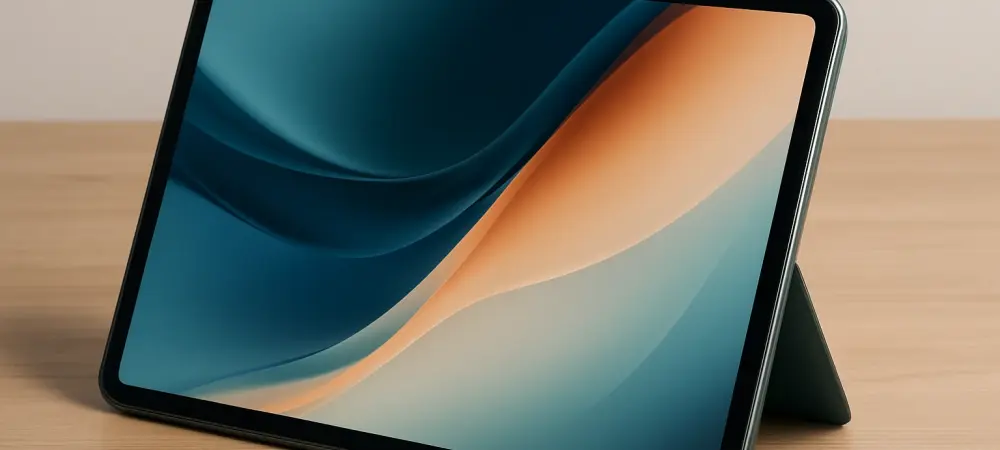
The design of the OnePlus Pad 3 is sleek and modern, available in two striking colorways: Storm Blue and Frosted Silver. These shades give it a sophisticated look that appeals to both professional and casual users. Additionally, OnePlus is throwing in a free Stylo 2 stylus and a folio case as part of a limited-time offer with the purchase. It’s a nice bonus for productivity or creative tasks, though I’d advise buyers to act quickly since this perk won’t last forever.
Let’s dive into the performance specs—how does the OnePlus Pad 3 hold up under the hood?
Performance-wise, the OnePlus Pad 3 is a powerhouse. It’s equipped with the Snapdragon 8 Elite SoC, paired with an Adreno 830 GPU, which ensures top-tier speed for multitasking, gaming, or heavy apps. You’ve got options for up to 16GB of LPDDR5T RAM and up to 512GB of UFS 4.0 storage, so it caters to a wide range of needs. Whether you’re a casual user or a power user, this tablet is built to handle it all without breaking a sweat.
What are your thoughts on the display quality of the OnePlus Pad 3 and any features that enhance the viewing experience?
The display is one of the highlights of the OnePlus Pad 3. It boasts a 13.2-inch 3.4K LCD touchscreen with a resolution of 2,400×3,392 pixels, delivering sharp and vibrant visuals. The adaptive refresh rate goes up to 144Hz, which makes scrolling and animations incredibly smooth. Plus, with a 540Hz touch sampling rate and 600 nits of peak brightness, it’s responsive and visible even in brighter conditions. It’s also got the TÜV Rheinland Eye Care 4.0 certification, which is a big plus for reducing eye strain during long sessions.
How does the camera setup on the OnePlus Pad 3 perform for both casual and practical use?
The camera system on the OnePlus Pad 3 is pretty solid for a tablet. It features a 13-megapixel rear camera that’s great for scanning documents or capturing quick shots. On the front, there’s an 8-megapixel selfie camera, which works well for video calls or virtual meetings. While tablets aren’t typically the go-to for photography, these specs ensure decent quality for everyday needs, though I wouldn’t expect DSLR-level performance or advanced camera modes here.
Can you elaborate on the battery life and charging capabilities of the OnePlus Pad 3 and how they fit into a user’s daily routine?
The battery on the OnePlus Pad 3 is a massive 12,140mAh, which is designed to keep you going for a long time. The company claims it can last up to 72 days on standby mode, which is impressive for users who don’t need constant use. When it’s time to recharge, the 80W SuperVOOC fast charging can take it from 1 to 100 percent in just 92 minutes. That kind of speed and endurance makes it ideal for professionals or students who are always on the move and can’t afford downtime.
What is your forecast for the impact of devices like the OnePlus Pad 3 on the tablet market in the coming years?
I think devices like the OnePlus Pad 3 are going to push the tablet market into a more competitive and innovative space. With high-end specs like the Snapdragon 8 Elite and features tailored for productivity and entertainment, tablets are becoming viable alternatives to laptops for many users. I foresee more brands focusing on blending power, portability, and affordability, which could redefine how we use tablets for work and play over the next few years. We might even see tablets carving out a bigger role in hybrid work environments as this trend continues.