

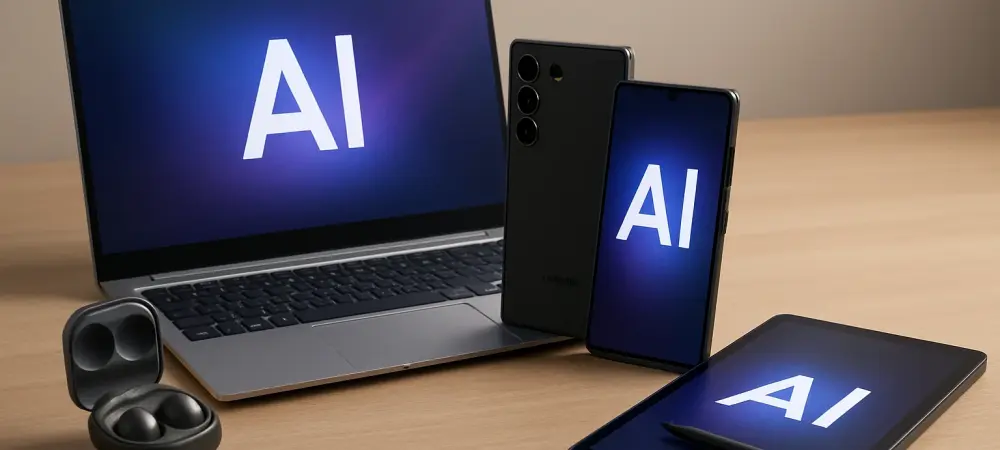
Imagine a world where your smartphone anticipates your needs before you even ask, your refrigerator suggests recipes based on its contents, and your TV adjusts settings for an optimal viewing experience—all without manual input. This is no longer a distant vision but a reality shaped by Samsung’s advancements in artificial intelligence. As AI continues to redefine consumer electronics, Samsung stands at the forefront, embedding intelligent features across its product lineup. This review delves into the capabilities, performance, and transformative potential of Samsung’s AI-powered devices, spotlighting their role in everyday life and their prominence during major promotional events like the Samsung Days Sale.
Key Features of Samsung AI-Driven Technology
AI Enhancements in Smartphones (Galaxy S25 Series and S24 Ultra)
Samsung’s flagship smartphones, including the Galaxy S25 series and S24 Ultra, exemplify how AI can elevate mobile experiences. Intelligent cameras adapt to lighting conditions and subject movement for stunning photography, while personalized user interfaces learn from daily habits to streamline app access and notifications. Performance optimization ensures smoother multitasking and gaming, even under heavy usage.
Beyond aesthetics and usability, AI plays a pivotal role in battery management, extending device life by prioritizing power allocation based on usage patterns. Processing speeds are enhanced through machine learning algorithms that predict and preload frequently used applications. These features, often highlighted during sales with discounts up to 41%, make premium technology accessible to a wider audience.
AI Integration in Home Appliances (Smart TVs, Refrigerators, and More)
Samsung’s home appliances showcase AI’s potential to simplify household tasks. Smart TVs utilize voice control and content recommendation systems to tailor entertainment, while refrigerators with predictive maintenance alert users to potential issues before they escalate. Washing machines optimize cycles for energy efficiency, reducing utility costs over time.
The added value of these innovations becomes evident with promotional offers, such as discounts up to 56% on select models, alongside perks like extended warranties. For instance, certain smart TVs come bundled with free soundbars, enhancing the overall package. These AI-driven appliances demonstrate how technology can transform mundane chores into seamless, efficient processes.
Performance Analysis and Real-World Impact
Samsung’s AI ecosystem is designed to create interconnected experiences, aligning with industry trends toward smart home integration. During events like the Samsung Days Sale, the company emphasizes device compatibility, allowing smartphones, wearables, and appliances to communicate effortlessly. This synergy is particularly appealing with bundled offers and steep discounts on tablets and wearables, reaching up to 65% off.
The practical impact of these devices is profound, especially for diverse consumer segments. Tech enthusiasts benefit from cutting-edge productivity tools in smartphones and laptops (discounted up to 35%), while families upgrading household essentials find value in AI-enhanced refrigerators and air conditioners. Unique applications, such as personalized fitness tracking in wearables, further illustrate the versatility of Samsung’s technology.
Industries beyond individual consumers also stand to gain. Small businesses leverage AI-driven monitors and laptops for improved workflow, while entertainment sectors adopt Samsung’s smart TVs for immersive setups. These real-world applications underscore how deeply AI integration influences both personal and professional spheres, especially when affordability is boosted by promotional incentives.
Challenges in Adopting Samsung AI Technology
Despite its strengths, Samsung’s AI technology faces hurdles that could temper widespread adoption. Privacy concerns remain a significant barrier, as consumers worry about data security with devices constantly collecting usage information. Addressing these fears through transparent policies and robust encryption is crucial for building trust.
Software compatibility issues also pose challenges, particularly for users integrating Samsung devices with non-ecosystem products. Additionally, a learning curve exists for those less familiar with technology, potentially slowing acceptance among older demographics. Samsung counters this with initiatives like discounted Samsung Care+ plans and educational resources to ease the transition.
Market competition adds another layer of complexity, especially during overlapping sales events like Amazon Prime Day, which runs from July 12-14. Standing out in such a crowded retail space requires not just attractive pricing but also superior customer support and value-added benefits. Samsung’s focus on bank offers with up to 27.5% cashback and low-cost EMI plans starting at $990 aims to tip the scales in its favor.
Future Prospects for Samsung AI Innovations
Looking ahead, Samsung’s AI trajectory appears poised for significant evolution. Cross-device integration is expected to deepen over the next few years, from this year to 2027, enabling even more intuitive interactions between gadgets. Imagine a smartphone syncing with home appliances to schedule tasks based on your calendar—this level of automation could soon be standard.
Potential breakthroughs include smarter energy-saving algorithms for appliances, reducing environmental impact while cutting costs for users. In smartphones, enhanced AI could refine voice assistants and predictive features, making devices almost anticipatory in their responses. Such advancements position Samsung as a leader in sustainable and user-centric innovation.
The long-term implications for consumer electronics are vast. As AI becomes more accessible through sales events and strategic pricing, Samsung could redefine household technology standards. This ongoing commitment to blending cutting-edge features with affordability ensures that the brand remains a key player in shaping tech trends for years to come.
Final Verdict and Next Steps
Reflecting on this evaluation, Samsung’s AI-powered devices prove to be transformative across smartphones, wearables, and home appliances, delivering tangible benefits in efficiency and personalization. The strategic pricing during the Samsung Days Sale, with discounts up to 65%, underscores a dedication to broadening access to these innovations. Challenges like privacy and compatibility linger, though efforts to address them through support plans and transparency show promise.
Moving forward, consumers should consider leveraging upcoming promotional events to explore Samsung’s AI offerings, weighing the value of bundled deals and extended warranties against individual needs. For the tech-curious, engaging with educational resources provided by the brand can demystify complex features. As Samsung continues to refine its ecosystem, staying informed about incremental updates will be key to maximizing the potential of these intelligent devices in daily life.