

I’m thrilled to sit down with Dominic Jainy, an IT professional with a remarkable background in artificial intelligence, machine learning, and blockchain. With his deep understanding of cutting-edge tech and its applications across industries, Dominic is the perfect person to help us unpack the latest developments in wearable technology. Today, we’re diving into the recent software update for the Samsung Galaxy Watch Ultra, exploring everything from its new user interface features to advanced health tracking capabilities, and even the broader rollout strategy for Samsung’s smartwatch lineup. Let’s get started!
Can you walk us through the highlights of the recent software update for the Samsung Galaxy Watch Ultra?
Absolutely, Alistair. The update in question is the One UI 8 Watch, built on Google’s Wear OS 6 platform. It’s a significant step forward for the Galaxy Watch Ultra, marking its first major software refresh. This update brings a host of improvements, including a revamped user interface, enhanced health and fitness tracking tools, and better integration with other devices. Compared to earlier versions, it offers a smoother, more intuitive experience with a focus on personalization and functionality, which really elevates how users interact with the watch on a daily basis.
What stands out to you about the visual and interface changes introduced in this update?
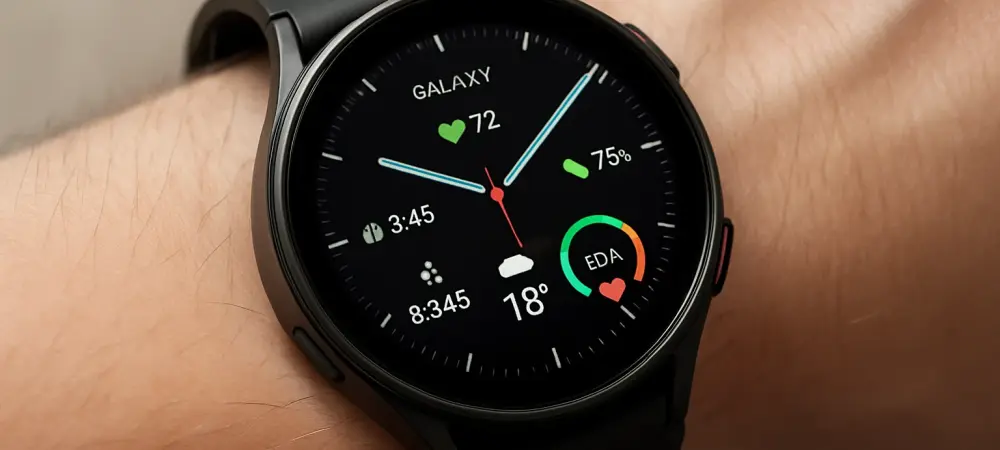
The visual overhaul is quite impressive. One of the key additions is Multi-Info Tiles, which allow users to customize their watch face with multiple data points—like weather, heart rate, or step count—all in one glance. It’s a game-changer for quick access to information. Then there’s the Samsung Now Bar, a feature that mirrors functionality from the One UI 7 update on smartphones. It acts as a contextual hub, pulling in relevant notifications and quick actions based on your usage patterns, making the watch feel like a seamless extension of your phone.
How do the new health and fitness features in this update enhance the user experience?
The health and fitness additions are where this update really shines. There’s the Antioxidant Index, which gives users insights into their body’s oxidative stress levels—a unique metric for understanding overall wellness. Bedtime Guidance is another neat feature; it helps improve sleep by offering personalized tips and tracking patterns to encourage better rest. Vascular Load is also introduced, measuring the strain on your cardiovascular system to help prevent overexertion. And for fitness enthusiasts, the Running Coach provides tailored guidance, pacing advice, and performance tracking to help users hit their goals. Together, these features make the watch a comprehensive health companion.
Can you tell us more about the rollout of the One UI 8 Watch update and its availability?
Sure, the rollout for the Galaxy Watch Ultra has begun in several regions, including India and the US, as confirmed by user reports online. It’s a hefty download at around 1,943 MB, so you’ll want a stable connection for it. Interestingly, it also includes security patches dated May 2025, which suggests Samsung is future-proofing the device against potential vulnerabilities. The wide regional availability shows they’re prioritizing a global push for their flagship wearable, though the exact timeline can vary based on carrier and local factors.
What’s the update timeline looking like for other Samsung Galaxy Watch models?
From what’s been shared, the Galaxy Watch 8 and Galaxy Watch 8 Classic are shipping with One UI 8 Watch right out of the box, so new buyers are set. For existing models, the Galaxy Watch 7 series is expected to be next in line for the update, followed by the Galaxy Watch 6 series. There’s also some buzz about the Galaxy Watch 5 series getting a beta version of One UI 8 Watch, which is promising for older devices, though no firm dates have been confirmed for the full rollout. It’s a staggered approach, focusing on newer or flagship devices first.
Why do you think Samsung prioritized the Galaxy Watch Ultra for this major update over other models?
I believe it’s a strategic move. The Galaxy Watch Ultra is positioned as a premium, cutting-edge device in their lineup, so rolling out a major update like this reinforces its flagship status. It’s also a way to showcase the full potential of Wear OS 6 and One UI 8 Watch to users who invested in their top-tier product. Additionally, updating the Ultra first helps Samsung gather real-world feedback on performance and bugs before pushing it to a broader range of devices, which can have varying hardware capabilities. It’s a smart way to ensure stability across the board.
What’s your forecast for the future of wearable tech updates, especially with platforms like Wear OS evolving so rapidly?
I’m optimistic about where wearable tech is headed. With platforms like Wear OS advancing, we’re likely to see even tighter integration between smartwatches and other ecosystems—think deeper AI-driven personalization, more proactive health monitoring, and perhaps even standalone capabilities that reduce reliance on smartphones. For Samsung specifically, I expect they’ll continue to push boundaries with health features, leveraging AI to predict and prevent issues before they arise. The challenge will be balancing innovation with battery life and accessibility, but if current trends hold, wearables could become central to how we manage our daily lives in the next few years.