

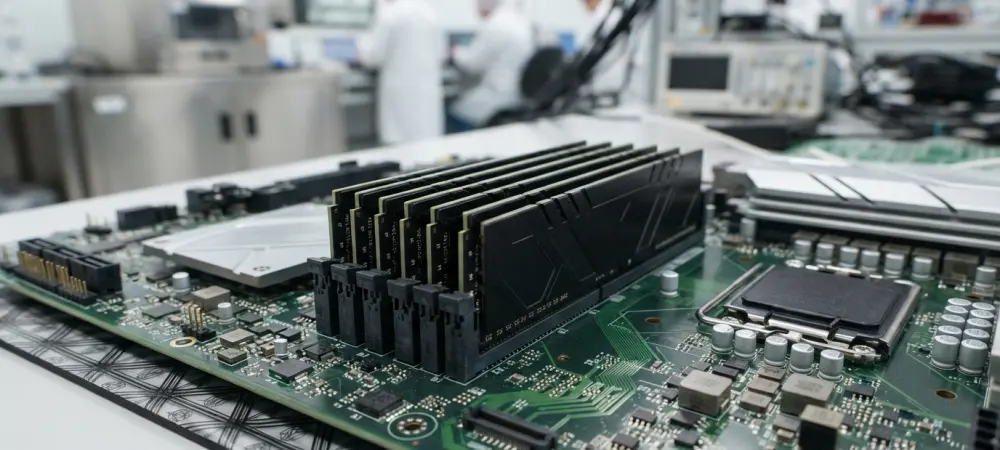
Sam Altman views the centralization of AI resources as a vital strategy for maximizing the utility of global Dynamic Random-Access Memory supplies. During a recent discussion on the “Cheeky Pint” podcast, the OpenAI chief executive highlighted the inherent flaws in how high-performance hardware is currently dispersed across the globe. He specifically targeted the growing trend of local inference, where individual users run large language models on their personal computers rather than relying on massive, shared data centers. Altman argued that the current model of distributing Dynamic Random-Access Memory, or DRAM, across millions of consumer devices is fundamentally inefficient and unsustainable in an era defined by extreme semiconductor shortages. By characterizing the current distribution as “quite terrible,” he positioned the debate as a choice between fragmented, idle resources and a more cohesive, high-velocity approach to compute. This critique comes at a time when the tech industry is grappling with how to scale intelligence while facing severe bottlenecks in the global hardware supply chain.
Evaluating Hardware Scarcity and Utilization
The Utilization Gap: The Problem With Personal Computing
The core of the argument revolves around the concept of maximum hardware utilization, which is currently at a historic low for consumer-grade equipment. Altman noted that while the demand for local AI processing has surged among users looking to bypass data center latency or privacy constraints, the physical hardware in these machines remains largely inactive. Most personal computers are utilized for active processing only a small fraction of the day, leaving the remaining time as wasted potential for a global supply of high-end silicon. In contrast, cloud-based infrastructure allows for memory resources to be pooled and shared across a massive user base, ensuring that every gigabyte of DRAM is in nearly constant operation. This constant duty cycle is essential for balancing the global compute budget, especially as supply chains struggle to meet the escalating requirements of modern neural networks. Shifting away from local inference could effectively multiply the available processing power without requiring the immediate manufacturing of new physical components.
Market Volatility: The Constraints of Semiconductor Manufacturing
Beyond the technical inefficiencies of local compute, the economic reality of semiconductor fabrication presents a significant hurdle to any rapid increase in supply. Memory manufacturers have historically been caught in volatile “boom and bust” cycles that left many leading firms on the brink of bankruptcy in previous decades. Consequently, these organizations have adopted a highly conservative approach to capital expenditures in 2026, preferring to maintain existing capacity rather than risking over-investment in new fabrication plants. This cautious stance has created a persistent bottleneck that cannot be solved by market demand alone. Altman suggested that the industry must find ways to maximize the performance of existing hardware through better software optimization and centralized management rather than waiting for a massive influx of new silicon. By focusing on disciplined resource allocation, the AI sector can mitigate the impact of this supply-chain conservatism, ensuring that the development of more advanced models is not entirely halted by the slow pace of physical infrastructure growth.
Developing New Paths for Compute Sovereignty
Proprietary Infrastructure: The Role of Automation
In response to these systemic constraints, OpenAI has begun exploring the development of proprietary infrastructure to secure its long-term operational needs. This strategy involves learning the intricate processes of data center construction and the manufacturing of specialized components that are currently in short supply. Altman even alluded to the possibility of integrating the company’s robotics programs into this expansion, potentially using automated systems to build out the massive server farms required for the next generation of artificial intelligence. While external observers often point to regulatory hurdles, land-use permits, and labor shortages as the primary roadblocks to building new compute clusters, the focus within the organization has shifted toward technological solutions to these physical problems. By automating the deployment and maintenance of hardware, the company aims to bypass the traditional limitations of the construction industry. This move toward vertical integration represents a significant shift in how AI companies view their relationship with hardware.
Resource Management: Future Steps for Global Compute
The strategy for addressing the global hardware deficit shifted toward a more unified and centralized model of resource management. Industry leaders recognized that the decentralization of critical components like DRAM led to systemic waste that the current supply chain could no longer support. Organizations prioritized the development of cloud-centric architectures that maximized every cycle of a processor’s life, while simultaneously investing in automation to speed up the rollout of new facilities. This transition provided a clear framework for balancing the immediate needs of researchers with the long-term realities of semiconductor manufacturing. Moving forward, the focus remained on refining the balance between centralized efficiency and user autonomy, ensuring that the growth of intelligence was not limited by the physical distribution of its parts. Proactive investments in proprietary supply chains and high-utilization hardware pools proved to be the most effective hedge against market volatility. These actions ultimately redefined the boundaries between hardware manufacturers and AI developers.