

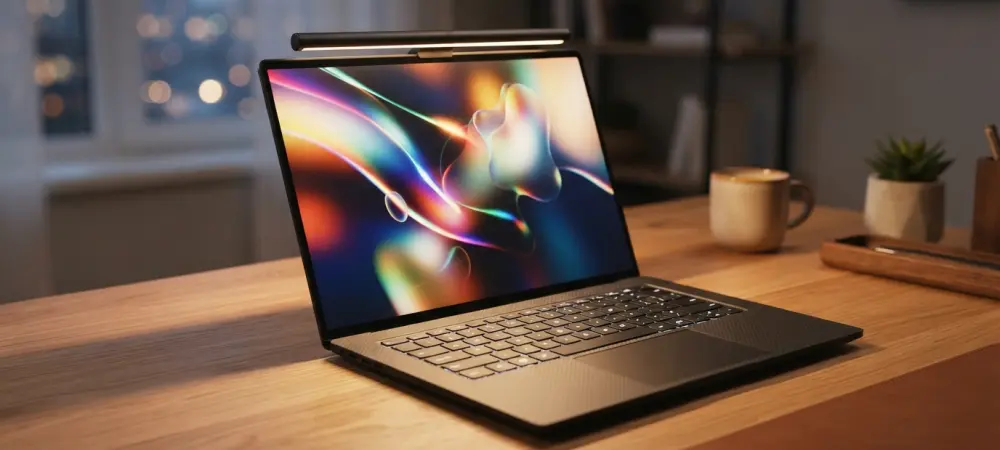
The Lenovo Googlebook 15 introduces a high-end $1,099 hardware package designed specifically to bridge the gap between traditional laptop utility and the expansive Android mobile ecosystem. This launch signifies a critical pivot for Lenovo as it attempts to move beyond the budget-friendly reputation of previous cloud-centric devices toward a premium tier of productivity. By integrating the new Googlebook OS, the company aims to offer a seamless transition for users who have spent the last few years deeply entrenched in the Android environment but require the ergonomic form factor of a full-sized laptop. However, the ambition of this hardware-software fusion often collides with the realities of a platform that still feels remarkably like an early-stage development project. While the exterior of the device screams professional-grade quality, the inner workings are currently navigating the complexities of porting a mobile-first interface into a workspace traditionally dominated by robust desktop-class operating systems.
Engineering Excellence: Material Science and Ergonomics
Lenovo has achieved a masterclass in industrial design with the Googlebook 15, utilizing a high-end blend of carbon fiber and magnesium-aluminum to create a remarkably sturdy yet light chassis. Weighing only 2.85 pounds, this 15.3-inch machine is surprisingly more portable than many smaller competitors, offering a silk-touch finish that feels premium to the touch. This weight advantage is particularly noticeable when compared to the 14-inch MacBook Pro, which often feels significantly denser during travel. The choice of materials allows for a rigid frame that resists flex while maintaining an elegant, minimalist profile. Furthermore, the structural integrity does not come at the expense of aesthetics, as the device maintains a slim silhouette that easily slides into a standard messenger bag. This focus on premium material science ensures that the laptop remains durable enough for daily commuting while still providing the high-end tactile experience expected at the thousand-dollar price point.
The hardware experience is further enhanced by thoughtful details, such as a tactile keyboard, a responsive haptic touchpad, and a unique lid lightbar that provides visual cues for system status. Lenovo’s keyboard design offers a comfortable 1.5mm of key travel, providing a satisfying click that supports long-form writing sessions without causing fatigue. Below the keys, the haptic touchpad utilizes advanced actuators to simulate physical clicks, allowing for consistent feedback regardless of where the user presses. A particularly distinctive feature is the animated lightbar integrated into the exterior lid, which pulses and changes color to communicate battery levels or incoming notifications. This lightbar serves as a modern alternative to traditional LED indicators, adding a layer of personality to the machine without appearing overly flashy. These hardware refinements collectively contribute to a device that feels like a truly modern piece of technology, standing out in an industry where physical innovation can take a backseat to internal spec bumps.
Visual Immersion: The Intersection of Hardware and Software
The centerpiece of the hardware is undoubtedly the 15.3-inch OLED touchscreen, which delivers stunning visuals through a 2,880 × 1,800 resolution and a fluid 120Hz refresh rate. With HDR True Black 1000 certification and a 500-nit peak brightness, the display provides deep contrast and color accuracy that rivals professional-grade monitors. Whether the user is streaming high-definition content or navigating the interface, the screen provides a crisp, vibrant experience that sets a high standard for laptops in this price bracket. The inclusion of a 120Hz refresh rate ensures that system animations and scrolling feel incredibly smooth, which is particularly beneficial for the touch-oriented nature of the Googlebook OS. This display technology allows for deep blacks and vibrant colors that make media consumption a joy, while also offering the precision needed for light photo editing. Despite the high resolution, the panel remains efficient enough to avoid excessive heat buildup during prolonged use, showcasing Lenovo’s ability to balance performance with thermal management. The primary challenge for users remains the current state of Googlebook OS, which struggles with app optimization on a large, horizontal display. Many Android apps are designed for vertical phone screens and ARM processors, leading to stretched interfaces, visual glitches, and a lack of desktop-class features. For instance, creative professionals may find the mobile version of Photoshop limiting compared to the full-featured versions available on other platforms, highlighting a gap where high-end hardware is held back by a mobile-first ecosystem. This friction is evident when multitasking, as the system often defaults to mobile layouts that waste significant portions of the high-resolution screen. While the potential for a unified operating system is clear, the current execution requires developers to ensure their applications behave predictably on such an expansive canvas. Without this optimization, the device remains a series of brilliant hardware components waiting for software that matches their high quality.
Strategic Integration: Ecosystem Synergy and Future Outlook
Where the software excels is in its deep synergy with the Android ecosystem, offering a level of cross-device connectivity that is nearly seamless. Users can manage notifications, transfer files, and cast apps between their phone and laptop with ease, making it an attractive hub for those already committed to Google’s services. While there are still minor limitations regarding file size for direct drag-and-drop actions, the Quick Share integration provides a glimpse into a more unified computing future. Artificial intelligence also plays a prominent role through tools like the Rambler transcription service and the Gemini Notebook for AI-driven summarization. These features are accessible via dedicated keyboard buttons, reflecting a design philosophy that treats AI as a core component of the user interface. While some of these tools currently feel like experimental add-ons, they show significant promise for improving daily productivity. Combined with a 70Wh battery that provides a respectable eight-hour workday, the device is a look at the next generation of mobile computing. The Lenovo Googlebook 15 ultimately functioned as a sophisticated proof of concept that balanced remarkable physical engineering against the growing pains of a new software frontier. For early adopters who prioritized the Android ecosystem above all else, the device offered a glimpse into a future of total cross-device fluidity. However, for those requiring a stable, professional workstation, the platform suggested that waiting for further software maturity was the most logical path. Prospective buyers were advised to evaluate their specific software needs, particularly if they relied on desktop-only utilities that had not yet transitioned to the Googlebook environment. The machine succeeded in proving that a large-screen Android-based laptop could be both light and powerful, but it also underscored the necessity of a more robust application library to justify its premium price tag. Success for this platform depended on Google’s ability to incentivize developers to treat this hybrid space as a primary target for software.