

Finding a perfect balance between raw processing power and cost-efficiency often feels like chasing a moving target in the rapidly evolving landscape of high-end silicon. AMD’s Zen 4 architecture redefined enthusiast expectations, but the recent arrival of the Ryzen 9000 series, including the 9800X3D and 9850X3D, has forced a dramatic realignment of the previous generation. While these newer chips represent the current peak of performance, the Ryzen 7 7800X3D and Ryzen 7 7700X have emerged as the primary targets for value-conscious builders. On platforms like Amazon UK, massive price shifts have disrupted the traditional hierarchy, creating a scenario where flagship-level gaming tech is now accessible at mid-range prices.
Market Context and Product Overview
The shift is particularly visible as retailers clear inventory to make room for the latest hardware iterations. This transition has turned the AM5 motherboard platform into a more mature and affordable ecosystem than it was at its inception. Despite the presence of newer alternatives, the legacy of the 7000 series remains strong, particularly for those who prioritize frame rates over having the absolute latest model number on their spec sheet. The current market environment proves that older high-end hardware often provides a superior value proposition during generational overlaps.
Technical Specifications and Performance Benchmarks
Architectural Advantages of 3D V-Cache Technology
The defining feature of the 7800X3D is its specialized cache structure, which utilizes AMD’s innovative 3D V-Cache technology. By stacking an additional 64MB of L3 cache directly onto the processor, it reaches a massive total of 96MB of L3 cache. This design provides a significant edge in gaming scenarios where the CPU frequently accesses data, as the larger buffer reduces cache misses and lessens the performance bottleneck typically caused by slower system RAM.
In contrast, the 7700X lacks this vertical stacking, making it more dependent on external memory speeds and traditional architectural pathways. While both chips share the 8-core Zen 4 foundation, the 7800X3D’s ability to keep more game data on-chip allows for much smoother frame times and higher 1% lows in CPU-intensive titles. This architectural divergence is what truly separates a standard high-performance chip from a dedicated gaming powerhouse.
Clock Speeds and Frequency Metrics
Frequency metrics present an interesting paradox between these two units, as raw clock speed does not always dictate gaming supremacy. The 7800X3D features a 5GHz boost clock, which ensures consistent performance across modern applications. However, the 7700X alternative, despite being part of the same family, operates at a lower 4.5GHz boost clock in the configurations compared by recent market data, making the 7800X3D objectively faster in burst performance.
Evaluating real-world impact shows that the higher boost clock of the 7800X3D, combined with its cache, provides a tangible uplift in high-performance gaming frame rates. While general computing tasks like file compression or rendering might see less of a gap, the frequency advantage ensures that the 7800X3D remains the more versatile option for users who demand snappier response times during heavy multitasking or intensive gaming sessions.
Pricing Trends and Market Value
The most compelling argument for the 7800X3D today lies in its volatile pricing history. Originally launched with an MSRP of £449.99, the processor has recently hit an all-time low of £269.99 on major retail sites. This 40% discount has created an unusual price parity between the 7800X3D and the 7700X, which effectively removes the financial barrier that previously pushed builders toward the lower-spec model.
For anyone choosing between hardware generations, this discount represents a significant shift in value. Getting top-tier gaming performance for the price of a mid-range chip changes the calculus for system builds. Instead of settling for the standard 7700X, users can now access the specialized V-Cache technology without a premium, making the 7800X3D one of the most cost-effective upgrades available in the current market landscape.
Platform Implementation and Hardware Considerations
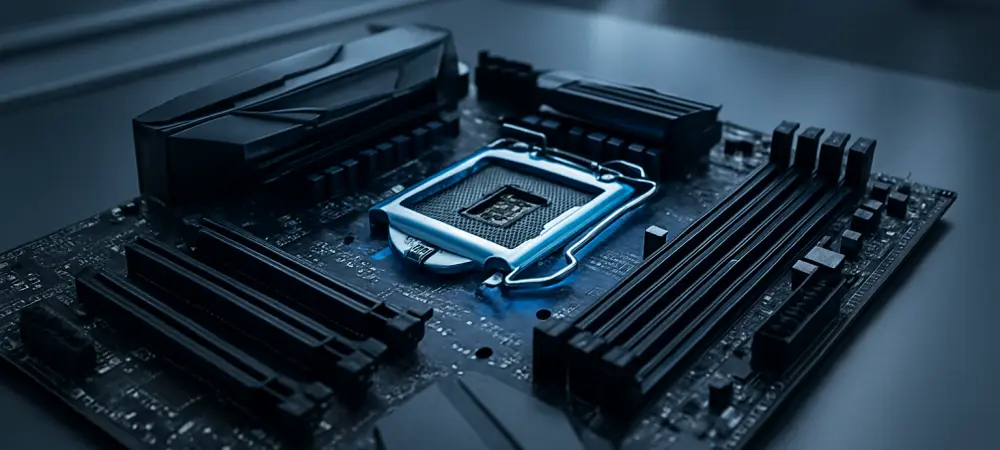
Moving to either of these processors requires a mandatory transition to the AM5 platform, which brings both future-proofing and initial hurdles. The shift away from the long-lived AM4 socket means that a new motherboard is an absolute necessity. While AM5 prices have stabilized, the requirement for DDR5 memory continues to be a significant barrier to entry for many users.
High DDR5 memory prices can increase the total system cost by a wide margin compared to older standards. For users currently on legacy DDR4-based systems or older 12th-gen Intel configurations, the jump involves more than just a CPU swap. It necessitates a complete overhaul of core components, which can be a daunting prospect for those on a tight budget, even with the CPU itself being heavily discounted.
Final Verdict and Purchasing Recommendations
The market landscape shifted toward a clear preference for the 7800X3D as its price plummeted to match the 7700X. Builders already invested in the AM5 platform found the transition to be a peak efficiency-to-cost upgrade, while those starting fresh had to weigh the DDR5 premium against the performance gains. The decision ultimately hinged on whether the user prioritized immediate gaming dominance or the potential of the newer Ryzen 9000 series hardware. Prospective buyers should prioritize securing the 7800X3D during these retail windows before inventory fully transitions to newer models. While the latest generation offers incremental improvements, the value of a sub-£270 7800X3D remains unmatched for pure gaming builds. Investing in high-quality cooling solutions now will ensure these chips remain viable as the AM5 ecosystem continues to evolve from 2026 to 2028 and beyond.