

In the 19th century, California experienced a gold rush that attracted thousands of individuals hoping to strike it rich. Fast forward to the present, and we find ourselves in a new type of gold rush – the race to dominate the field of artificial intelligence (AI). This modern-day frenzy has produced two types of entrepreneurs: those striving to leverage AI’s potential and those aiming to supply the technology that powers it.
The demand for advanced AI and the crucial role of GPUs
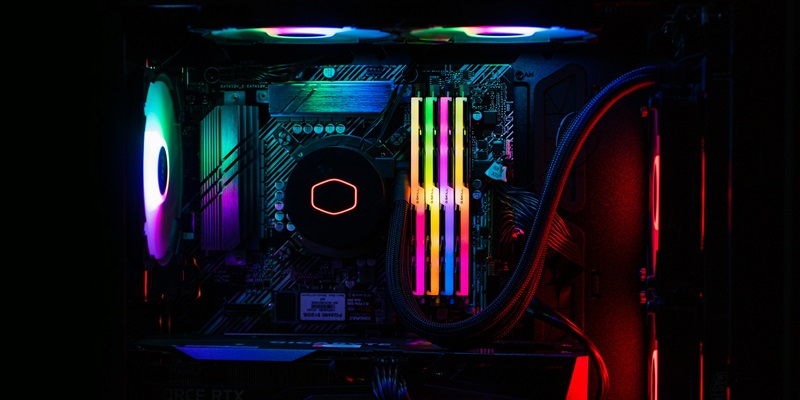
With the surge in AI adoption across various industries, there is an insatiable appetite for Graphics Processing Units (GPUs) that fuel the technology. GPUs possess immense computing power, making them ideal for handling the massive parallel processing tasks required for AI algorithms. Their ability to run these algorithms in parallel significantly speeds up training and inference processes.
The limited supply of GPUs threatens AI’s potential impact
However, the availability of GPUs is becoming a concern in the AI ecosystem. As the demand for advanced AI solutions continues to skyrocket, there is a limited supply of GPUs that threatens to dampen AI’s transformative impact. The shortage creates a bottleneck, hindering organizations from fully harnessing AI’s potential and putting a strain on the growth of the industry.
Not all problems require AI’s GPU-hungry computing capacity
While AI holds enormous potential, it is crucial to recognize that not every problem requires AI, especially those that do not demand the immense computing power provided by GPUs. It is essential to evaluate the specific requirements of each problem and explore alternatives that may prove to be more efficient and cost-effective.
The Potential for More Efficient AI Algorithms
One way to address the GPU shortage is by developing more efficient AI algorithms. Innovations in algorithm design and optimization can reduce the processing power needed for AI applications. By streamlining algorithms and minimizing computational redundancies, organizations can decrease their dependence on GPUs, making them less necessary for certain tasks.
Exploring alternative hardware options for powering AI applications
In addition to optimizing algorithms, exploring alternative hardware solutions for AI applications presents a viable route for organizations striving for efficient processing. Researchers are continually working on developing specialized AI chips, such as application-specific integrated circuits (ASICs) and field-programmable gate arrays (FPGAs), to enhance AI performance. These alternatives can potentially reduce the demand for GPUs and diversify the AI hardware ecosystem.
The need for companies to adapt to the operational realities of the AI Gold Rush
This modern-day gold rush towards AI will require companies to adapt to operational realities. To remain innovative, agile, and responsive, organizations must not only focus on the development of AI solutions but also ensure they have a steady supply chain for the necessary hardware components. Embracing flexibility and continually assessing the technology landscape will be crucial in navigating the challenges posed by the GPU shortage.
The Advantage of Adaptability for Companies in Thriving During the AI Gold Rush
Companies that are willing to adapt to the changing landscape of the AI industry will be best positioned to thrive. They must explore various strategies, such as collaborating with GPU manufacturers, investing in research and development, and forging partnerships with hardware innovators. By thinking outside the box, these organizations can secure GPU supply and optimize their AI implementations.
The Constraint on GPU Supply by Opportunistic Businesses, including Scalpers
The shortage of GPUs is further exacerbated by opportunistic businesses, including scalpers. These entities take advantage of the limited supply by employing automated bots to rapidly purchase GPUs and resell them at inflated prices. This unethical practice worsens the situation, making it even more challenging for legitimate businesses to acquire the necessary hardware resources for AI projects.
The Profound GPU Shortage and Its Potential to Stall Innovation
The incredible growth of AI and its associated technologies, such as deep learning, gaming, content creation, and cryptocurrency mining, has created a profound GPU shortage. This shortage poses a significant threat to the acceleration of innovation and the realization of AI’s full potential. Without an adequate and accessible supply of GPUs, the AI Gold Rush risks losing momentum before it truly begins.
In conclusion, the AI Gold Rush unfolds as both a promising era of innovation and a potential stumbling block. The limited availability of GPUs, intensified by unethical practices and opportunistic scalpers, poses a considerable challenge. However, by exploring alternative hardware options, optimizing AI algorithms, and prioritizing adaptability, organizations can navigate these obstacles and ensure the continued growth and advancement of AI. Companies willing to think outside the box and adapt to operational realities will be best positioned to thrive and lead the charge in the AI revolution, while those unable to do so may find themselves mining for gold without a pick and an axe.