

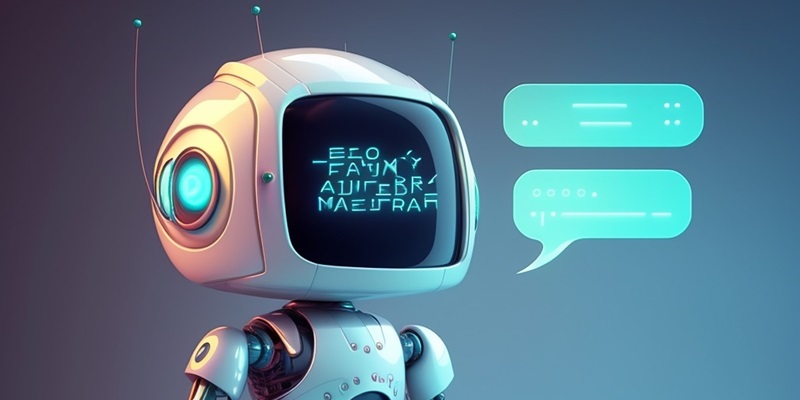
Artificial Intelligence (AI) has emerged as a ubiquitous term, resonating in conversations, events, and industry trends alike. The advent of chatbots has transformed the AI marketing landscape, emerging as a buzzword in this domain.
AI and Customer Service
The implementation of AI technology has become crucial in achieving superior customer service. By leveraging AI-powered chatbots, businesses can provide prompt and efficient support to customers. These virtual assistants offer real-time responses, solving queries and addressing concerns without any human intervention. Additionally, multilingual bots are capable of communicating with customers in their preferred language through voice, text, or chat. This facilitates seamless communication and ensures a positive customer experience across diverse linguistic backgrounds.
Conversational AI bots are revolutionizing customer experiences in various industries. With these bots, visitors are no longer passive recipients of information but active participants in the learning process. Conversational AI empowers businesses to engage customers through immersive conversations, gathering valuable insights, and personalizing experiences. Instead of relying on static websites or generic customer support systems, companies can provide interactive and dynamic interactions to drive engagement.
Business Implementation of Conversational Interfaces
Today, conversational interfaces such as chatbots and virtual or voice assistants are extensively employed by businesses. The primary objective of these conversational AI interfaces is to enhance customer engagement, improve customer service quality, and reduce operational costs simultaneously. By automating repetitive tasks and handling routine customer inquiries, organizations can allocate resources more efficiently, enabling their staff to focus on more complex and value-driven activities.
AI Applications in Events
Beyond customer service, Artificial Intelligence is also reshaping the landscape of events and conferences. AI has emerged as a key tool to personalize events, generating tailor-made itineraries, communications, and content for each individual attendee. By analyzing past data and user preferences, AI algorithms can recommend relevant sessions, workshops, and networking opportunities. This personalized approach enhances the attendee experience, ensuring they get the most out of the event.
Immersive Technologies in Events
The latest technologies, such as AI, Virtual Reality (VR), Augmented Reality (AR), and AI Bots, offer a more immersive experience, regardless of the location. VR and AR technologies provide realistic simulations and interactive elements, creating engaging and memorable experiences for event attendees. AI-powered Bots assist in guiding attendees through the event, providing real-time information, and facilitating networking opportunities. These technologies have the potential to transform events into immersive and interactive platforms, leaving a lasting impact on participants.
Artificial Intelligence has revolutionized customer service and events alike. By leveraging AI applications, companies can enhance the attendee experience, increase engagement, and optimize operational efficiency. The widespread adoption of conversational AI interfaces, such as chatbots, has transformed customer interactions, enabling personalized and efficient support. Additionally, the integration of AI in events allows for tailor-made itineraries, communications, and content, enhancing the overall attendee experience. The latest technologies, such as AI, VR, AR, and AI bots, offer a more immersive and interactive event experience, transcending geographical limitations. As AI continues to evolve, its impact on customer service and events is set to grow exponentially, providing innovative solutions and revolutionizing industries. Organizations that embrace AI will stay ahead of the curve, delivering exceptional customer experiences and unforgettable events.