

Introduction to a Foldable Revolution
Imagine a smartphone that unfolds into a tablet, promising the ultimate blend of portability and productivity, yet costs a staggering $2,000, and you’re looking at the Samsung Galaxy Z Fold 7, a device that pushes the boundaries of foldable technology. The purpose of this evaluation is to determine if this premium gadget justifies its hefty price tag by examining its durability, design, and real-world usability. With foldable phones still battling skepticism over longevity, this assessment dives deep into whether Samsung has finally cracked the code for resilience in a market hungry for innovation.
The focus here narrows on durability, spotlighted through rigorous stress tests conducted by tech reviewer JerryRigEverything. These tests reveal how the device withstands harsh conditions that mimic everyday mishaps. By exploring both the triumphs and pitfalls of this cutting-edge smartphone, the aim is to guide potential buyers on whether it meets the high expectations set for premium foldable devices.
Design and Features Breakdown
The Galaxy Z Fold 7 impresses with a refined build, featuring a 27% thinner and 43% lighter Armor Flex hinge compared to earlier models, making it more portable without sacrificing sturdiness. This hinge design not only enhances ease of use but also promises greater endurance over repeated folds. The external protection is equally notable, with Gorilla Glass Ceramic 2 on the cover screen and Gorilla Glass Victus 2 on the back, complemented by an IP48 rating for dust and water resistance, safeguarding against particles larger than 1mm and liquid submersion.
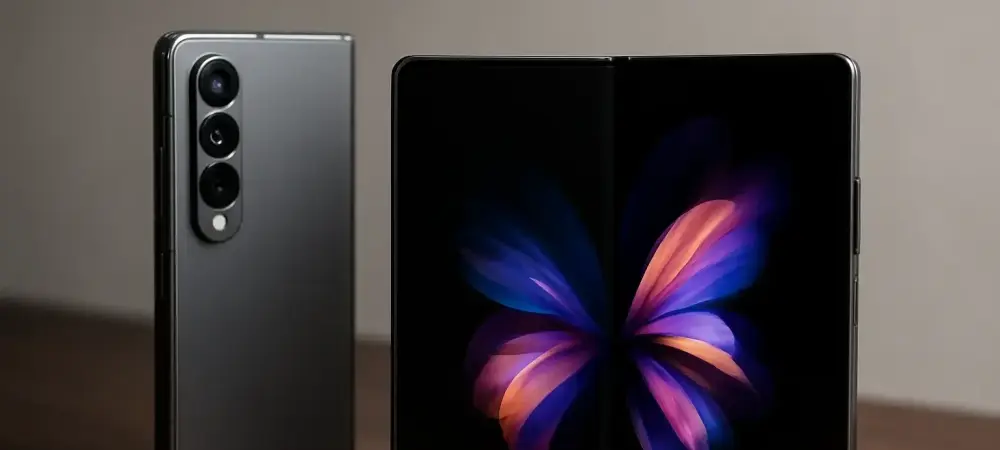
Beyond durability, the device dazzles with top-tier specifications. It sports an 8-inch 120Hz AMOLED inner display, reaching a blinding 2,600 nits of brightness, alongside a 6.5-inch AMOLED outer screen for quick access. The rear camera array stands out as well, boasting a 200MP main sensor, a 12MP ultra-wide, and a 10MP telephoto lens, all reinforced with dust-sealing rings to prevent debris interference. These features position the phone as a powerhouse for both multimedia and productivity.
Samsung’s intent with this model is clear: to elevate foldable technology by addressing past criticisms of fragility while maintaining a premium user experience. The combination of cutting-edge displays and a robust camera system shows a commitment to versatility. However, the true test lies in how these design choices hold up under pressure, which brings the discussion to performance evaluations.
Durability Under the Microscope
To gauge the resilience of the Galaxy Z Fold 7, stress tests by JerryRigEverything provide critical insights into its structural integrity. The hinge, a common weak point in foldables, was subjected to dust exposure and reverse bending, emerging with impressive results. Unlike predecessors, it resisted grinding or seizing when debris was introduced, marking a significant step forward in practical durability for users in dusty environments.
External glass strength also proved commendable, with the Gorilla Glass layers withstanding substantial force without shattering. Even under extreme bending scenarios, the phone maintained its form, showcasing a reinforced frame that can endure accidental mishandling. These outcomes suggest that Samsung has made tangible progress in fortifying the device against common damages that plagued earlier foldable iterations.
The real-world implications of these findings are substantial. For users who frequently encounter rough conditions, the improved hinge and external build offer peace of mind against typical wear and tear. While not invincible, the advancements reflect a thoughtful approach to tackling longstanding concerns, though certain vulnerabilities still linger, as will be explored next.
Strengths and Shortcomings
Among the standout strengths of the Galaxy Z Fold 7 is the enhanced hinge durability, which passed rigorous dust and stress tests with flying colors. The external protection, courtesy of advanced Gorilla Glass materials, further bolsters its appeal by safeguarding against drops and scratches on the outer surfaces. These improvements make it a compelling choice for tech enthusiasts eager to embrace foldable innovation without constant fear of structural failure.
However, the device is not without flaws, chief among them being the persistent fragility of the inner display. Scratching at a mere level 2 on the Mohs hardness scale, it remains prone to damage from everyday items like fingernails or pocket sand. Additionally, prolonged heat exposure risks burn-in on both screens, and repair costs for the inner panel are steep at $589, posing a financial burden for accidental damages.
This duality creates a niche appeal. While the robust external build and hinge advancements attract those seeking cutting-edge tech, the delicate inner screen limits practicality for casual users who may not prioritize meticulous care. Balancing these pros and cons becomes essential for potential buyers evaluating the device’s overall value at such a premium cost.
Performance in Everyday Scenarios
Beyond controlled tests, the Galaxy Z Fold 7’s performance in daily use reveals further nuances. The high-brightness displays excel in outdoor settings, ensuring visibility even under direct sunlight, while the camera system delivers stunning clarity for photography enthusiasts. Multitasking on the expansive inner screen feels seamless, catering well to professionals needing a portable workstation for emails, documents, and presentations.
Yet, the inner display’s susceptibility to scratches necessitates constant vigilance, often requiring protective measures that may detract from the intended sleek experience. The heat-related burn-in risk also raises concerns for users in warmer climates or those engaging in extended gaming sessions. These practical challenges highlight that while the phone offers groundbreaking features, it demands a level of caution that might not suit every lifestyle.
Final Verdict and Guidance
Reflecting on the comprehensive evaluation, the Samsung Galaxy Z Fold 7 demonstrated remarkable strides in hinge durability and external protection during testing. The stress tests underscored Samsung’s dedication to overcoming past foldable weaknesses, with the device enduring dust and bending challenges admirably. However, the fragile inner display remained a glaring drawback, overshadowing some of the progress with its vulnerability to scratches and heat damage. For those considering a purchase, the recommendation leans toward cautious users who can prioritize meticulous handling over casual convenience. The high price of $2,000 demands a commitment to care, making it ideal for tech-savvy individuals or early adopters prepared for potential repair expenses. Buyers are advised to assess lifestyle compatibility, invest in protective accessories, and note Samsung’s limited screen protector replacement policy.
Moving forward, potential owners should explore tailored insurance plans to mitigate repair costs and stay updated on Samsung’s evolving support policies for foldable devices. Experimenting with compatible third-party accessories, despite manufacturer warnings, might offer additional safeguarding if chosen wisely. Ultimately, the journey with this innovative yet delicate device requires a proactive approach to ensure its longevity in an ever-demanding digital landscape.