

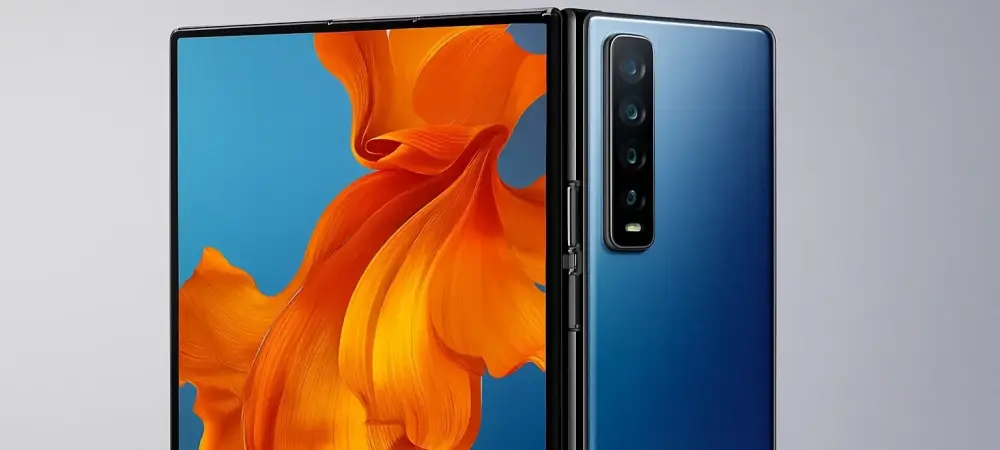
I’m thrilled to sit down with Dominic Jainy, a renowned IT professional whose expertise in artificial intelligence, machine learning, and blockchain has positioned him as a leading voice in tech innovation. Today, we’re diving into the much-anticipated Huawei Mate XT 2, a potential game-changer in the world of triple-fold smartphones. Our conversation explores the device’s rumored upgrades, from chipset advancements to cutting-edge features like satellite connectivity, as well as its camera innovations, design choices, and market positioning. Let’s uncover what makes this device a standout in the evolving smartphone landscape.
How does the Huawei Mate XT 2 build on the legacy of the Mate XT Ultimate Design, particularly with its chipset upgrade?
I’m excited to talk about the Mate XT 2 as it seems to push boundaries even further than its predecessor. The rumored Kirin 9020 5G SoC is a significant step up from the Kirin 9010 in the original model. This new chipset promises enhanced processing power and efficiency, which translates to faster app performance, smoother multitasking, and better energy management. For users, this could mean a more seamless experience, whether they’re gaming, streaming, or working on intensive tasks. It’s a clear signal that Huawei is focusing on future-proofing their devices with top-tier hardware.
What can you tell us about the rumored satellite connectivity feature in the Mate XT 2 and its potential impact on users?
Satellite connectivity is a fascinating addition and could be a real game-changer. It allows users to stay connected even in areas with no cellular or Wi-Fi coverage, which is invaluable for emergencies or remote travel. Imagine being able to send a message or make a call from a mountain trail or a rural area where traditional networks fail. This feature could be especially useful for adventurers, professionals in remote industries, or even in disaster-stricken regions where infrastructure is down. It’s a forward-thinking move that prioritizes connectivity in an increasingly mobile world.
Let’s dive into the camera upgrades for the Mate XT 2. How does the new 50-megapixel main camera with variable aperture enhance the photography experience?
The rumored 50-megapixel main camera with variable aperture is a standout feature for photography enthusiasts. Unlike a fixed aperture, this technology allows the camera to adjust the amount of light it lets in, adapting to different lighting conditions. So, whether you’re shooting in bright daylight or a dimly lit room, the camera can optimize exposure for sharper, more detailed images. Compared to the current model, this upgrade could mean better low-light performance and more creative control over depth of field, making every shot look professional.
There’s also talk of an upgraded periscope telephoto lens on this device. What kind of improvements might users expect from this?
The upgraded periscope telephoto lens is another exciting development. This type of lens typically offers superior zoom capabilities without sacrificing image quality, which is perfect for capturing distant subjects like wildlife or sports events. The improvement over the existing 12-megapixel periscope in the Mate XT Ultimate Design likely means higher resolution or better optical stabilization, resulting in clearer, more vibrant zoomed-in shots. It’s a feature that could really appeal to users who want a versatile camera system in their pocket.
The Mate XT 2 is said to keep the same screen size and battery capacity as its predecessor. What might be the reasoning behind sticking with these specs?
Maintaining the same screen size and battery capacity—likely the 10.2-inch flexible display and 5,600mAh battery—suggests Huawei is prioritizing design continuity and user familiarity. The triple-fold form factor is already unique, and changing the screen dimensions could disrupt the balance of usability across its folded and unfolded states. As for the battery, while the capacity remains unchanged, I suspect Huawei might be focusing on software optimizations or chipset efficiency to extend battery life. It’s about refining the experience rather than just increasing raw numbers.
With a rumored September launch for the Mate XT 2, what factors do you think are shaping this timeline?
A September launch aligns with Huawei’s pattern of unveiling flagship devices around this time, as seen with the Mate XT Ultimate Design. This window also positions the device to capture attention during the busy fall tech season, when consumers are often looking for the latest gadgets ahead of the holidays. Additionally, it’s a strategic move to stay competitive with other brands rolling out foldable devices. Regulatory approvals, supply chain readiness, and market demand likely play a role in finalizing this timeline, ensuring the launch is both impactful and well-timed.
Can you shed light on the regulatory approval process for the Mate XT 2, especially with the model number GRL-AL20 being mentioned?
The regulatory approval for the model number GRL-AL20 is a critical step toward market release. This process typically involves testing the device for safety, electromagnetic compatibility, and network compliance to ensure it meets international standards. Securing this approval signals that the Mate XT 2 is close to being production-ready, pending any final adjustments. While challenges like regional restrictions or delays in certification can arise, especially for a device with advanced features like satellite connectivity, this milestone suggests Huawei is on track for a smooth rollout.
Given the premium pricing of the Mate XT Ultimate Design, how do you think Huawei might approach the pricing strategy for the Mate XT 2?
The Mate XT Ultimate Design launched at a high price point—around $2,800 USD in China—reflecting its cutting-edge triple-fold design and premium specs. For the Mate XT 2, I anticipate Huawei will maintain a similar premium strategy, given the upgrades like the Kirin 9020 chipset and enhanced camera system. However, they might aim to make it slightly more accessible to broaden their market, perhaps by offering varied storage or RAM configurations. Balancing innovation with affordability will be key, especially with competitors in the foldable space vying for attention.
What is your forecast for the future of triple-fold smartphones like the Mate XT 2 in the broader tech landscape?
I’m incredibly optimistic about the trajectory of triple-fold smartphones. Devices like the Mate XT 2 are pioneering a new category that blends the portability of a phone with the functionality of a tablet. As manufacturing costs decrease and software ecosystems adapt to multi-fold designs, I foresee these devices becoming more mainstream over the next five to ten years. We’ll likely see advancements in durability, app optimization, and even more compact designs. The real question is how quickly consumers will embrace this form factor, but with innovators like Huawei leading the charge, I believe the potential for widespread adoption is huge.