

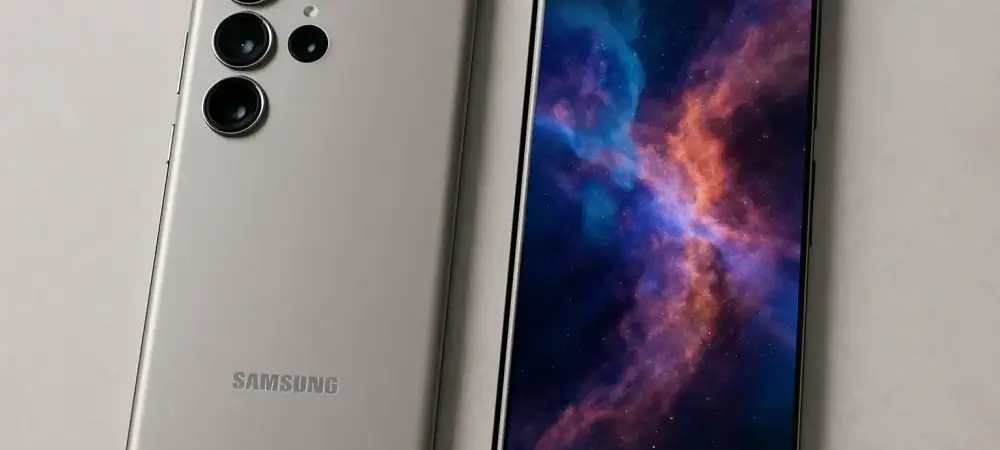
The smartphone market is often characterized by rapid innovation and fierce competition, with each brand vying to outdo the other in features and technology. Samsung has always been at the forefront of this race, consistently pushing boundaries. The Samsung Galaxy S25 Ultra emerges as a flagship model, promising to deliver an unparalleled user experience. This review aims to dissect whether the Samsung Galaxy S25 Ultra truly lives up to its reputation as a must-have device.
Product Overview and Key Features
Samsung’s Galaxy S25 Ultra is positioned as a high-end smartphone offering a multitude of advanced features designed to cater to tech enthusiasts and power users. At first glance, its core features, such as its expansive display and formidable camera setup, set it apart from other models. The device boasts a 6.9-inch Dynamic AMOLED display with superior resolution, providing an exceptional visual experience for media consumption and gaming.
The camera system is another major draw, featuring a groundbreaking 200-megapixel primary sensor paired with multiple lenses to support a variety of photographic modes. This positions the Galaxy S25 Ultra as a frontrunner in mobile photography. Designed with versatility in mind, the device also includes an S Pen, enhancing productivity and creativity for users who require precision input.
Performance Analysis
In evaluating the real-world performance of the Galaxy S25 Ultra, it’s evident that this device was crafted to meet high demands across multiple aspects. The phone runs on the latest Snapdragon processor, ensuring remarkable speed and efficiency in multitasking scenarios. Applications launch quickly, and the transition between software is seamless, making it suitable for users who require reliable performance. The battery life of the S25 Ultra is substantial, providing enough power to last an entire day even with heavy usage. Additionally, its charging capabilities are enhanced by fast-charging technology, significantly reducing downtime. However, the camera performance remains the standout feature, especially in low-light conditions. The combination of high-resolution sensors and intelligent software processing delivers stunning photos, maintaining clarity and detail.
Pros and Cons
Among the many advantages of the Galaxy S25 Ultra, its state-of-the-art display and camera system are noteworthy. These features offer unparalleled photo quality and a vibrant viewing experience, making this device particularly appealing to photographers and media aficionados. Moreover, its robust design and embedded S Pen add layers of functionality, benefiting users who engage in tasks requiring precision or creative flair.
Conversely, the high price point of the device may be a deterrent for budget-conscious consumers. While the overall build quality and feature set justify the cost for some, the lack of a more affordable alternative with similar specs could limit its accessibility. Moreover, the size of the phone could pose challenges for those seeking a more compact device.
Conclusion and Recommendation
Analysis of the Samsung Galaxy S25 Ultra reveals a smartphone that excels in multiple domains, from display technology to camera capabilities and overall performance. This device stands out as a premium choice for users who prioritize top-tier specifications and are willing to invest in those features. Despite its drawbacks, the Galaxy S25 Ultra remains a compelling option for consumers needing a highly capable and feature-rich device.
Final Thoughts and Buyer Considerations
While the Samsung Galaxy S25 Ultra has emerged as a dynamic choice in the premium smartphone sector, potential buyers should consider their specific needs before making a purchase. It is ideally suited for users already entrenched in the Samsung ecosystem or those deeply invested in mobile photography. Additionally, if a large display and cutting-edge performance are priorities, this device could be an ideal match.
For those undecided, the Galaxy S25 Ultra serves as a reminder that investing in high-quality technology can significantly enhance daily digital interactions. Therefore, evaluating personal use cases, budget constraints, and feature priorities remains crucial in determining if this device aligns with individual preferences.