

EOL Dynamics: Why Businesses Must Act Now
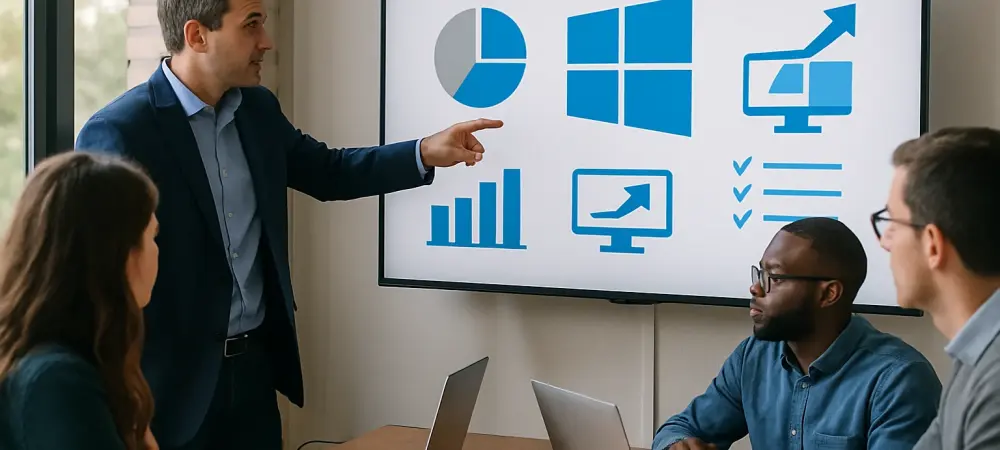
With Microsoft’s Windows 10 nearing its end-of-life, businesses are confronting a pivotal challenge as they plan migration to Windows 11. As the deadline of October draws near, a sense of urgency has developed regarding security, compatibility, and expenses associated with this transition. Given its role in enterprise environments, the need for strategic planning is paramount.
Current Market Trends and Insights
Escalating Risk Exposure and Financial Costs
Research suggests that organizations are increasingly concerned about the security implications of delaying the shift to Windows 11. A significant 94% of companies express fears over heightened exposure to ransomware and potential data breaches as they prepare for migration. The financial burden is considerable; businesses anticipate rising cybersecurity and maintenance costs, with many likely to invest in Microsoft’s Extended Security Updates to mitigate risks.
Transition Complexities: Compatibility and Productivity
Organizations often face challenges related to compatibility with existing software during migration. Device downtime and productivity losses are common concerns, prompting many companies to adopt phased migration strategies. About 75% are executing gradual transitions, while others wait for older devices to naturally retire, aiming to ensure operational continuity and alleviate technological disruptions.
Regional Variations and Strategic Impacts
Migration trends vary across regions, with local regulations and technological settings influencing strategies. Some markets may lag in adopting Windows 11 due to these complexities, although understanding specific regional demands can foster tailored solutions. Businesses are leveraging enhanced Windows 11 functionalities, including AI integration, to stay ahead and harness new opportunities.
Projections: Navigating Future Enhancements
Looking toward the future, technological advancements like AI-driven tools are anticipated to redefine enterprise efficiencies. Improved cyber defenses and integration benefits mean organizations ready to swiftly adapt will not only secure their data but also seize broader market opportunities. These advancements position companies at the forefront of digital evolution.
Strategic Direction for Effective Migration
To ensure a successful transition, organizations should focus on comprehensive strategies that prioritize infrastructure upgrades and stakeholder collaboration. Investing in readiness aligned with best practices can help minimize risks and optimize returns. Exploring Windows 11’s capabilities, including advanced AI tools, can enhance productivity and support long-term growth.
Reflecting on Strategic Imperatives
Businesses that approached the migration to Windows 11 as more than a technical necessity found a vital strategic opening. Swift adaptation and foresight were crucial in navigating evolving digital challenges. By embracing strategic planning and understanding the significance of this transition, firms have safeguarded their digital futures and bolstered their positions in ever-changing technological domains.