

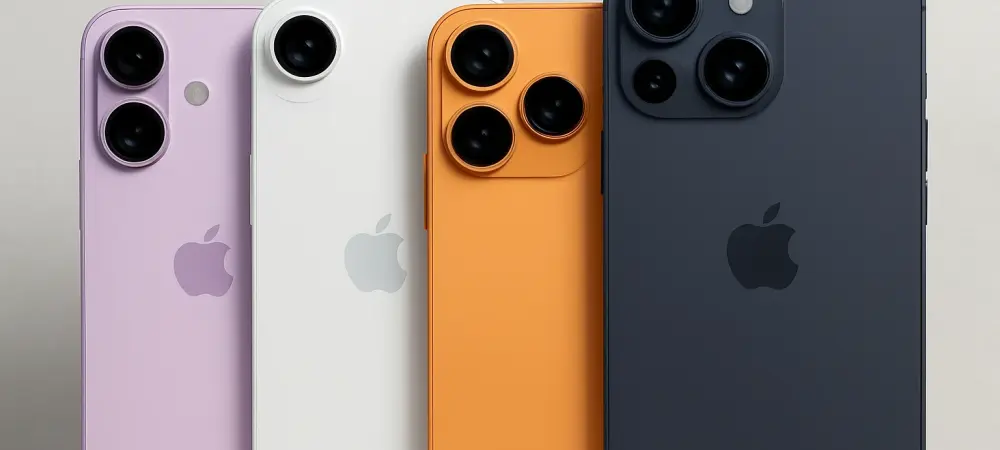
Unveiling the iPhone 17 Series: Purpose and Promise
Imagine a world where a smartphone isn’t just a device but a seamless extension of daily life, pushing boundaries in design and technology with every iteration, and Apple’s latest reveal at the much-anticipated ‘Awe Dropping’ event, held at the Steve Jobs Theatre in Apple Park, Cupertino, has set the stage for exactly that with the debut of the iPhone 17 series. The objective here is to critically evaluate whether this new lineup stands as a worthy investment for consumers, addressing modern needs such as cutting-edge design, robust performance, and an elevated user experience.
This grand event, livestreamed globally across Apple’s platforms, has generated immense buzz, promising groundbreaking innovations that could redefine smartphone standards. Expectations were set high with whispers of revolutionary features and a fresh approach to Apple’s flagship offerings. Tech enthusiasts and casual users alike tuned in to witness unveilings that could shape trends in the mobile industry for years to come.
The iPhone 17 series is poised to make a significant impact on the market, potentially redefining user expectations with rumored advancements. Its relevance lies not just in hardware upgrades but in how it aims to cater to a wide spectrum of consumer demands, from aesthetic appeal to functional prowess. This launch marks a pivotal moment for Apple to reinforce its dominance in a competitive tech landscape.
Breaking Down the iPhone 17 Lineup: Models and Features
The iPhone 17 series comprises four distinct models, each tailored to different user preferences: the standard iPhone 17, the iPhone 17 Pro, the iPhone 17 Pro Max, and the intriguing newcomer, iPhone 17 Air. This lineup showcases Apple’s intent to diversify its offerings, ensuring there’s something for everyone, from budget-conscious buyers to premium seekers. Each model brings a unique flavor to the table, reflecting Apple’s knack for segmentation. A standout in this series is the iPhone 17 Air, rumored to be the thinnest iPhone ever created, replacing the Plus variant with an emphasis on sleek, minimalist design. This model targets users who prioritize portability and aesthetics without compromising on core functionality. Meanwhile, the Pro and Pro Max models are expected to cater to power users with enhanced capabilities, while the base model remains a solid choice for everyday needs.
Functionality across the series is anticipated to integrate seamlessly with upcoming software like iOS 26, promising a cohesive user experience. Apple aims to address diverse requirements through these models, whether it’s through advanced camera systems for content creators or robust builds for professionals on the go. This strategic variation underscores a commitment to inclusivity in smartphone design and usage.
Performance Expectations: Analyzing Potential Capabilities
Based on circulating rumors, leaks, and Apple’s historical trajectory, the iPhone 17 series is expected to deliver exceptional performance across key metrics. Processing power, likely driven by a next-generation chip, should offer significant speed improvements, handling intensive tasks with ease. This positions the series as a potential benchmark for mobile computing in the current market. Camera enhancements are another focal point, with speculations pointing toward upgraded sensors and software algorithms for superior photo and video quality. Battery life improvements are also anticipated, addressing a common pain point for users who rely on their devices throughout the day. Design functionality, especially with the Air model, is expected to balance form and practicality, though real-world usage will be the ultimate test of these claims.
When compared to previous iPhone iterations and rival flagship devices, the series appears set to raise the bar in several areas. However, the true measure of its capabilities will depend on how these rumored specs translate into everyday scenarios. Competitive analysis suggests that while Apple may lead in ecosystem integration, other brands could challenge it in specific hardware innovations, making this an exciting space to watch.
Strengths and Weaknesses: A Balanced Perspective
Among the notable strengths of the iPhone 17 series is the innovative design, particularly with the Air model, which could set a new standard for smartphone ergonomics. Apple’s reputation for quality and the expected synergy between hardware and software further bolster its appeal, ensuring a polished experience for users. This combination often translates into reliable long-term performance, a hallmark of the brand. On the flip side, potential drawbacks include pricing concerns, as premium features might come with a steep cost, alienating some consumer segments. There’s also a risk that an overemphasis on aesthetics, especially with the ultra-thin Air variant, could compromise durability or battery capacity. Additionally, leaks hint at possible limitations in certain features compared to competitors, though these remain speculative until confirmed.
These pros and cons shape the series’ suitability for different audiences. Casual users may find the base model a perfect fit for straightforward needs, while tech-savvy professionals might gravitate toward the Pro variants for advanced functionalities. However, budget-conscious buyers could hesitate due to cost, and those prioritizing ruggedness might question the Air model’s practicality, highlighting the need for tailored expectations.
Final Assessment: Is the iPhone 17 Series Worth It?
Summarizing the insights gathered, the iPhone 17 series presents a compelling mix of performance expectations, feature innovations, and design advancements based on available information. The lineup appears to push boundaries, particularly with the introduction of a slimmer form factor and anticipated software enhancements. Each model seems crafted to address specific user demands, reinforcing Apple’s strategic vision. A recommendation at this stage leans toward viewing the series as a promising upgrade, especially for those already embedded in Apple’s ecosystem or seeking cutting-edge design. However, the true value will only emerge post-launch with hands-on testing and official specifications. Uncertainties around final pricing and real-world performance remain, suggesting a cautious optimism for potential buyers.
Until more concrete data surfaces, the series holds significant potential to be a worthwhile investment for many. It balances innovation with Apple’s hallmark reliability, though final judgments must await detailed reviews. Consumers are advised to weigh early impressions against personal priorities before committing to a purchase.
Who Should Buy? Final Thoughts and Advice
Reflecting on the iPhone 17 series’ place within Apple’s ecosystem, it stands as a testament to the brand’s ongoing evolution in the smartphone market. It complements a broader strategy of innovation, aligning with trends toward sleek designs and integrated experiences. This positions the lineup as a key player among flagship devices, appealing to a wide range of tech users.
Specific consumer segments likely to benefit include design enthusiasts drawn to the Air model’s aesthetics, power users seeking the Pro models’ capabilities, and loyal Apple fans eager for the latest integration with iOS 26. Conversely, budget-conscious individuals might find better value in older models or competing brands, emphasizing the importance of aligning purchase decisions with financial considerations. Practical advice for prospective buyers includes waiting for official reviews and hands-on feedback to confirm rumored features. Comparing the series with other flagship devices in terms of specs and pricing will also provide clarity. Ultimately, evaluating personal needs—whether for design, performance, or cost-effectiveness—will guide the decision-making process toward a well-informed choice.