

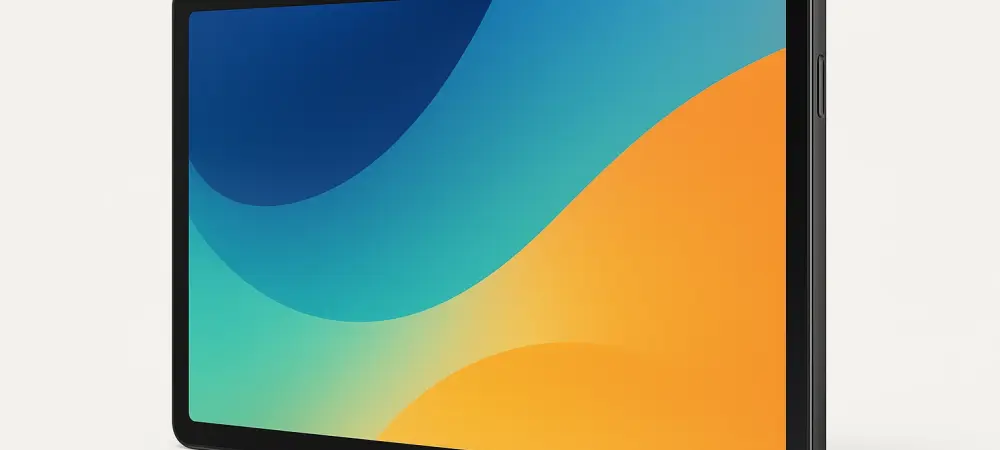
Imagine a device that seamlessly blends affordability with premium features, catering to both casual users and productivity enthusiasts in a highly competitive tablet market. Samsung’s recent unveiling of the Galaxy Tab A11+ alongside the standard Galaxy Tab A11 has sparked significant buzz among tech enthusiasts and industry analysts. With an 11-inch display, robust battery life, and desktop-like functionality, this mid-range tablet aims to redefine user expectations. This roundup gathers diverse perspectives from tech reviewers, market analysts, and industry commentators to explore what makes the Galaxy Tab A11+ stand out, how it fits into current trends, and whether it delivers on its promises of innovation and value.
Diverse Perspectives on Features and Performance
Display and Battery: A Visual and Power Standout
Tech reviewers have widely praised the Galaxy Tab A11+ for its 11-inch display with a 90Hz refresh rate, which offers smooth scrolling and vibrant imagery. Many highlight how this feature enhances experiences like streaming high-definition content or browsing detailed documents, positioning the tablet as a strong contender for entertainment-focused users. Beyond visuals, the 7,040mAh battery with 25W fast charging has garnered attention for its capacity to support extended usage. Industry observers note that this significant upgrade over the standard Tab A11’s 5,100mAh battery addresses a common pain point in mid-range devices, ensuring longer uptime for both work and leisure activities. However, some analysts express mild concern over the lack of detailed specifications about the processor and rear camera. While the battery and display impress, a few voices suggest that without clarity on raw performance metrics, it remains challenging to fully gauge the tablet’s capability against high-end competitors in intensive tasks.
Software and Longevity: A Commitment to Updates
Commentators across tech blogs have lauded Samsung’s promise of seven years of OS and security updates for the Galaxy Tab A11+, running on One UI 8.0 based on Android 16 with integrated Gemini features. This long-term support is seen as a game-changer, ensuring the device remains secure and relevant well into the future, a rarity in this price segment. Some industry watchers emphasize the practical benefits of such extended support, particularly for small business owners or students who rely on consistent software performance. They argue that this commitment could set a new standard for mid-range tablets, pushing other manufacturers to follow suit. On the flip side, a handful of reviewers caution that prolonged updates might come with the risk of software bloat over time, potentially slowing down the device. While the seamless interface is a current strength, maintaining optimization through years of updates will be key to fulfilling this promise.
Versatility with DeX Mode and Storage Options
The inclusion of DeX mode, which transforms the Galaxy Tab A11+ into a desktop-like setup when paired with a monitor, keyboard, and mouse, has excited many tech analysts. Combined with features like Samsung Notes and Dolby Atmos sound, this functionality is often cited as a major draw for multitasking professionals and content creators. Market trend observers point out that expandable storage up to 2TB via MicroSD aligns with growing consumer demand for devices that can handle large files, especially among photographers and videographers. This adaptability makes the tablet appealing to a wide demographic across global markets. Yet, a few skeptics question whether mid-range hardware can fully support the demands of DeX mode under heavy workloads. They suggest that while the concept is innovative, real-world performance in complex scenarios might reveal limitations that Samsung has yet to address publicly.
Market Positioning and Consumer Appeal
Balancing Affordability with Premium Features
Analysts focusing on market segmentation commend Samsung’s dual-launch strategy, offering the budget-friendly Galaxy Tab A11 with an 8.7-inch display starting at $155, alongside the more feature-rich Galaxy Tab A11+. This approach is seen as a calculated move to capture both cost-conscious buyers and those seeking enhanced capabilities without breaking the bank. Many industry voices speculate that the timing of the A11+ rollout toward the end of the year could capitalize on holiday shopping trends, potentially boosting sales. The promise of a larger battery and desktop functionality at a mid-range price point is often highlighted as a compelling selling point for gift buyers. However, some commentators raise concerns about the undisclosed pricing and certain specifications. They argue that transparency on these fronts will be crucial for building consumer trust, especially when competing against brands that offer detailed spec sheets upfront in a crowded market.
Competitive Edge in a Crowded Landscape
Comparisons with rival devices like the Moto X70 Air frequently surface in discussions, with several reviewers noting that Samsung’s focus on long-term software support and versatile features gives the Galaxy Tab A11+ a distinct edge. This differentiation is viewed as a strategic effort to stand out in an oversaturated tablet segment. Other opinions suggest that while the hardware innovations are impressive, Samsung must ensure consistent performance across all features to avoid falling behind competitors who prioritize raw power. The balance of affordability and premium appeal is a strength, but maintaining quality control is deemed essential by many. A contrasting viewpoint from market analysts emphasizes the tablet’s potential to attract a diverse user base, from students to remote workers. They believe that Samsung’s emphasis on practical features over flashy specs could resonate more deeply with everyday consumers looking for reliable, all-purpose devices.
Key Takeaways from the Roundup Discussion
Reflecting on the insights gathered, it’s clear that the Galaxy Tab A11+ has impressed many with its blend of an immersive 11-inch display, substantial battery life, and unique features like DeX mode. The promise of seven years of updates also stands out as a significant advantage, addressing longevity concerns that often plague mid-range devices. Differing views on undisclosed specs and potential software challenges add depth to the conversation, highlighting areas for cautious optimism. For those intrigued by this tablet, a practical next step would be to monitor updates on pricing and full specifications closer to the year-end launch. Comparing personal needs—whether for storage, multitasking, or budget constraints—against the offerings of both the A11+ and the standard A11 could guide informed decisions. Additionally, exploring hands-on reviews post-launch would offer deeper insights into real-world performance, ensuring buyers align their expectations with the device’s proven capabilities.